
Temple style Sambar | Pumpkin sambar
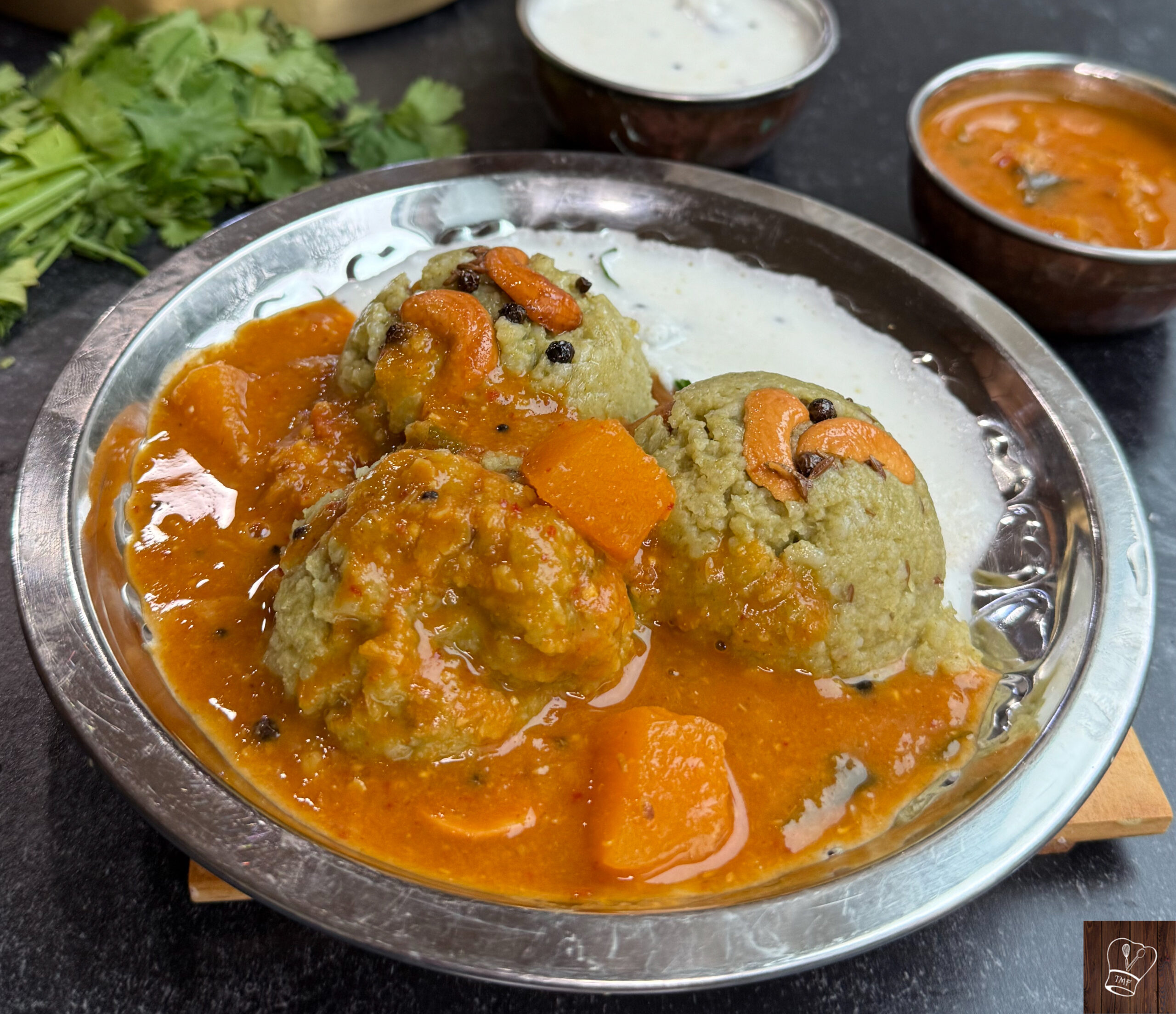
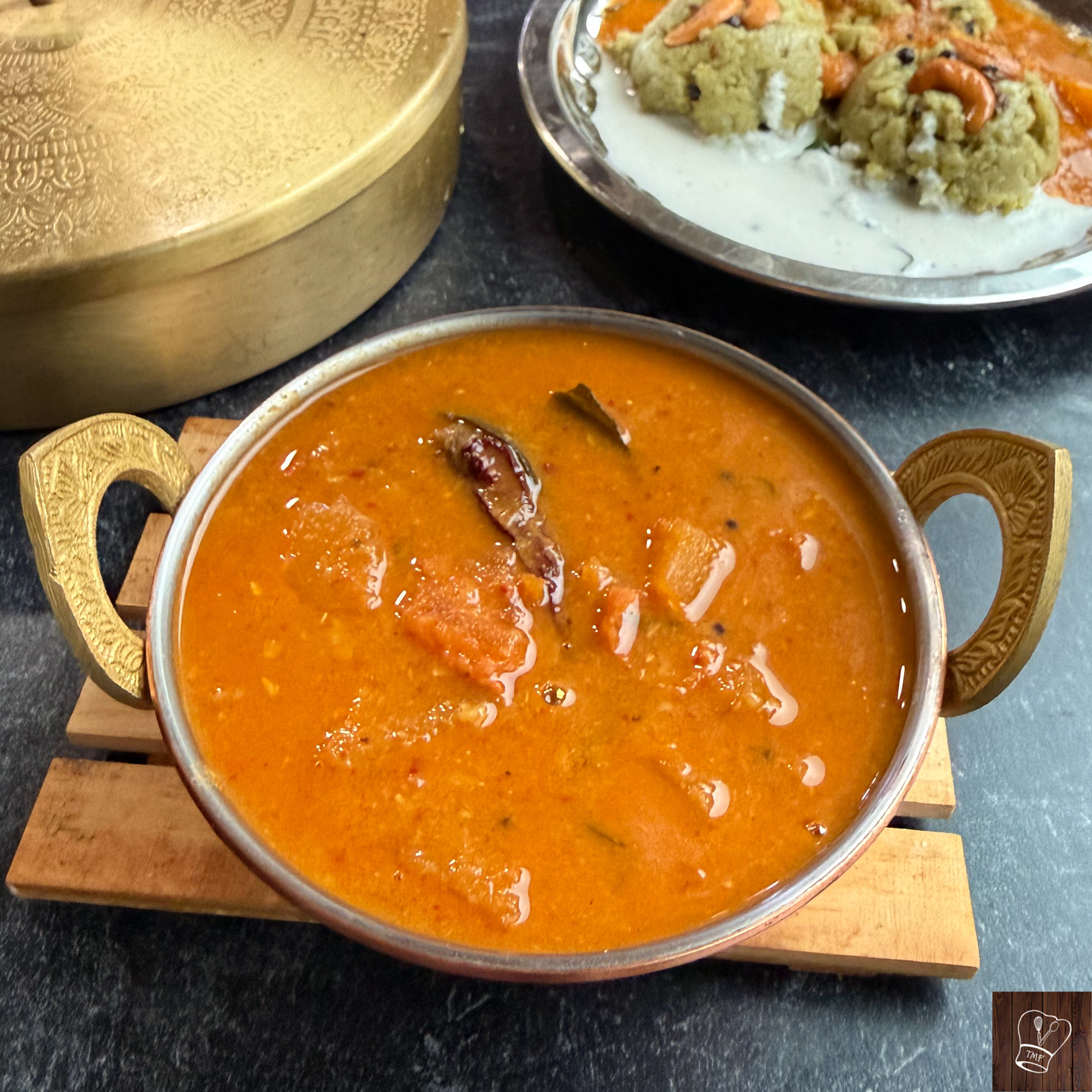
Temple style sambar | kovil sambar | Udupi sambar
pumpkin sambar, authentic South Indian sambar, prasadam sambar recipe, Karnataka style sambar, no onion no garlic sambar, traditional sambar recipe, South Indian temple food, easy sambar recipe, sambar with pumpkin, Udupi cuisine, sambar for rice, sambar for idlis with step-by-step pictures, and video recipe. Check out the udupi Sambar recipe, and if you like the video pls SUBSCRIBE to my channel.

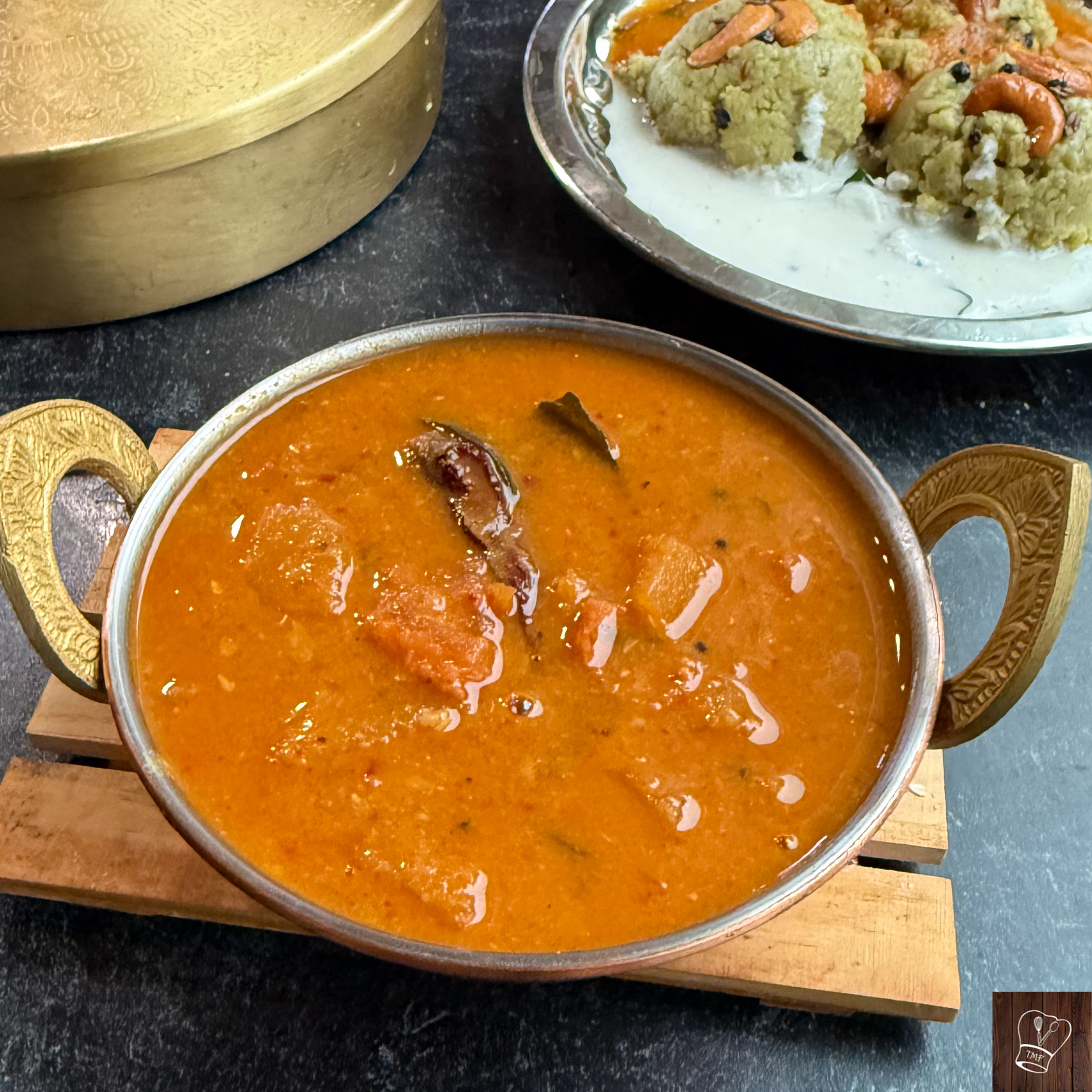
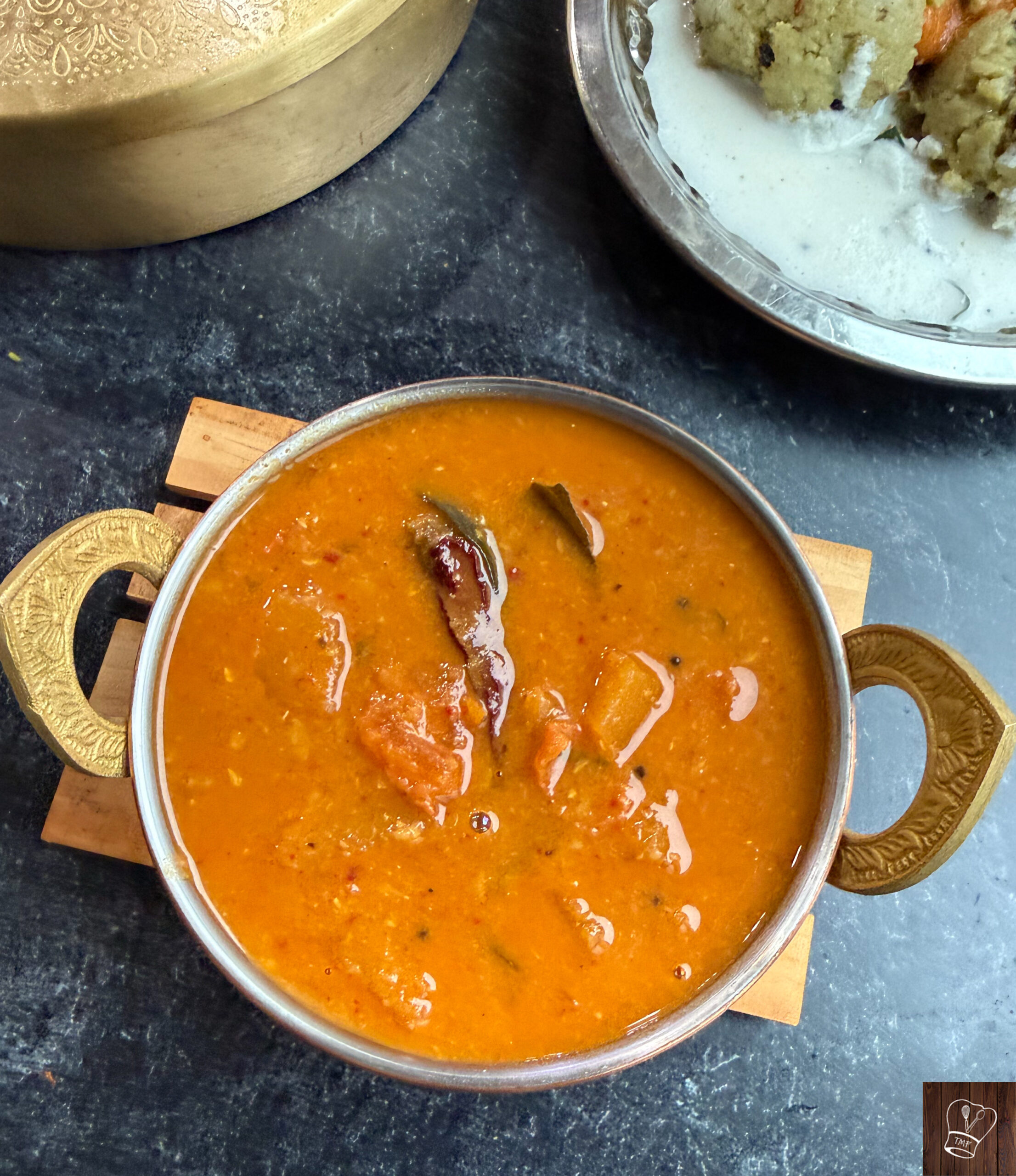
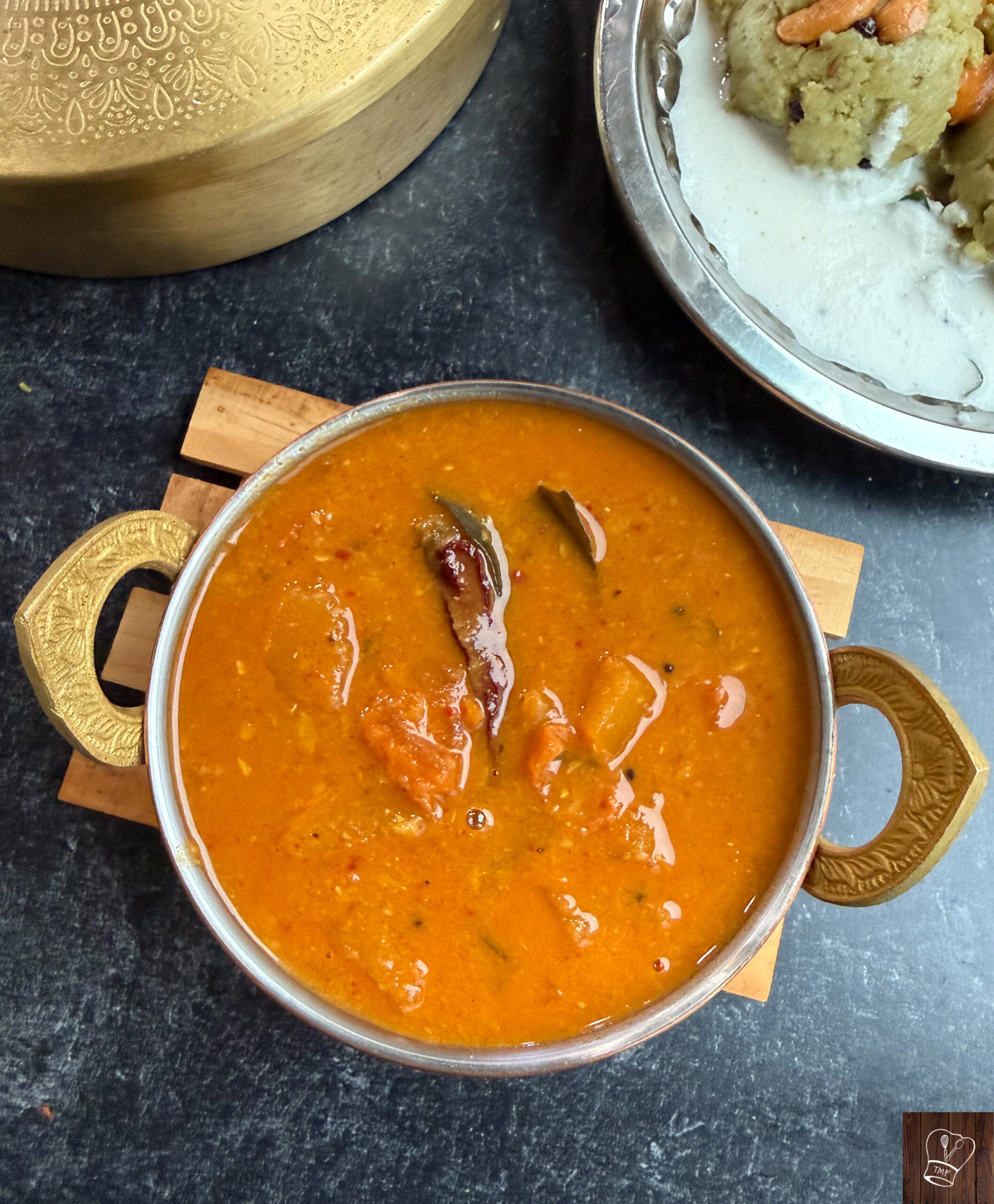
udupi sambhar is a traditional South Indian style with no onion, no garlic rice accompaniment popular in Udupi hotels| wedding. The detailed recipe, complete with tips and tricks, makes it a great beginner-friendly option for South Indian cuisine meals. Temple‑style sambar, also known as kovil sambar or Udupi sambar, is famous for its soulful simplicity, balanced flavors, and aromatic spice blend. Unlike regular sambar, this version uses pumpkin for natural sweetness and a freshly roasted Udupi‑style masala that gives it a divine, prasadam‑like taste. Whether you’re craving nostalgic South Indian temple flavors or looking for an easy, wholesome recipe, this pumpkin sambar brings authentic tradition right to your kitchen. It pairs beautifully with steamed rice, idli, dosa, or pongal, making it a versatile comfort dish for any day.
What is Sambar?
Sambar is one of the most popular traditional South Indian dishes. A good amount of protein and vegetables, blended with flavorful sambhar powder, makes it not only healthy & nutritious but also tastes delicious
What tastes best with sambhar?
Sambhar plays a key role in South Indian cuisine. Sambhar goes well with tiffin varieties like idli, dosa, uthappam, etc. It also tastes great with rice; without sambhar, there is no special thali/ festive/ wedding lunch / Indian lunch combo
Should I always soak toor dal?
No, it is optiona,l but I feel soaking helps even cooking
How much water should I add while cooking dal?
It depends on the dal you use. I generally use a 1:3 dal: water ratio. The number of whistles also depends on the dal you use.
What variety of dal should I use for sambhar?
Traditionally, toor dal is used. You can use moong dal or a combination of toor dal and masoor dal for variation.
What makes temple‑style sambar different from regular sambar?
Temple‑style sambar is typically no‑onion, no‑garlic, uses pumpkin for sweetness, and relies on a freshly roasted Udupi‑style masala. This gives it a clean, sattvic, prasadam‑like flavor.
Can I make temple sambar without pumpkin?
Yes, but pumpkin adds natural sweetness and body. If you skip it, you can replace it with ash gourd, carrots, or a small piece of jaggery.
Why does Kovil Sambar taste so aromatic?
The aroma comes from freshly roasted spices, coconut, and the slow simmering process. Temples often cook in large batches, which deepens the flavor.
Is Udupi sambar always made without onion and garlic?
Traditionally, yes. Udupi cuisine follows sattvic principles, so most temple‑style sambars avoid onion and garlic.
What vegetables work best in temple‑style sambar?
Pumpkin, drumstick, ash gourd, carrots, brinjal, and okra are commonly used. Pumpkin is essential for the signature taste.
Can I use store‑bought sambar powder?
You can, but freshly roasted Udupi sambar masala gives the most authentic flavor. Store‑bought powders won’t fully replicate temple taste.
What do you serve temple sambar with?
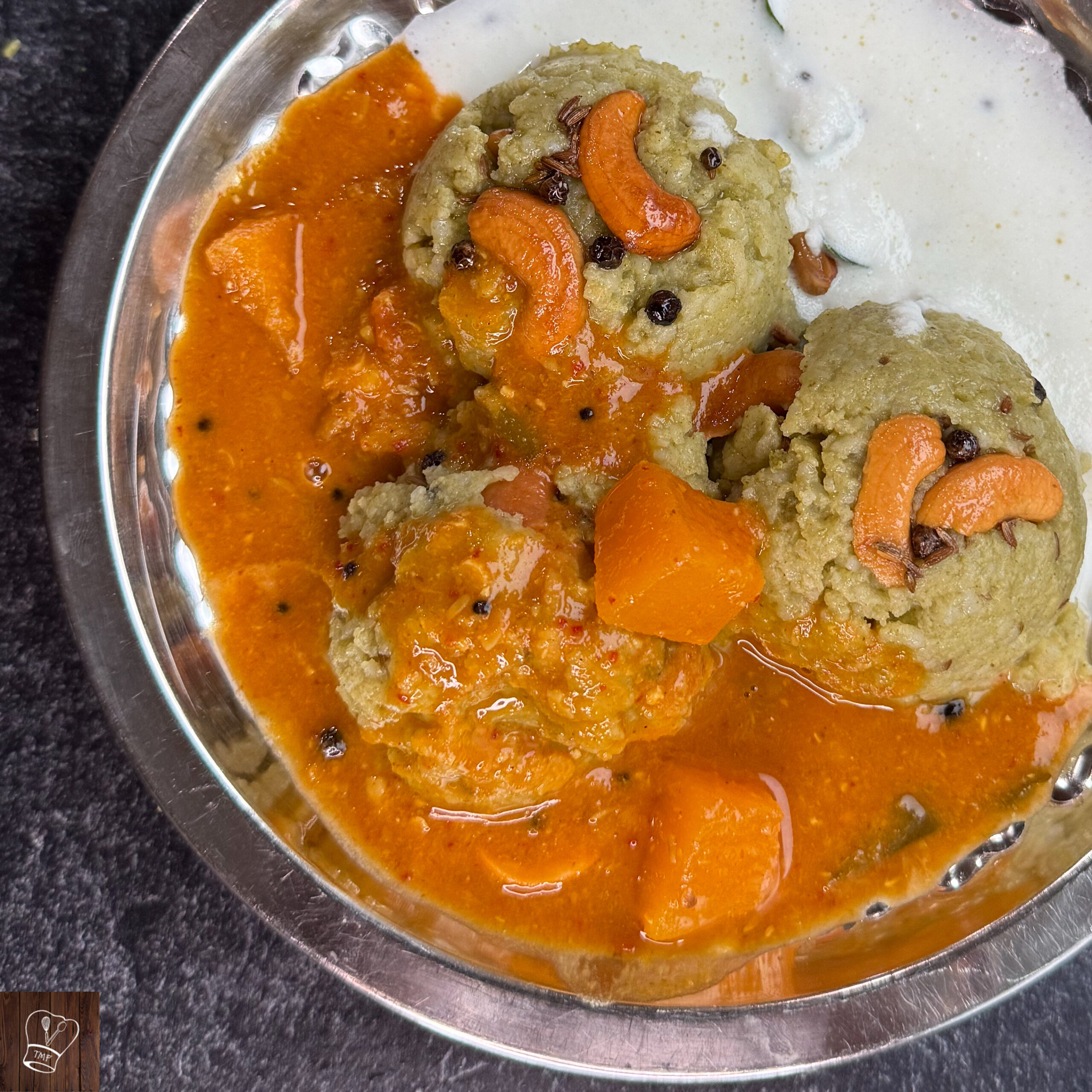
It pairs beautifully with steamed rice, idli, dosa, pongal, or even vadas.
How to make instant pot sambar
Cook the dal for 9 minutes and let the pressure release naturally. Follow the rest of the steps the same for the Instant Pot Sambhar recipe
Can I increase the cooked dal?
For catering-style sambar, add less cooked dal and increase the amount of dal for the sambar powder
What should be the texture of the cooked sambhar veggies?
Cooked veggies should be fork-tender. Always remember not to overcook the veggies. They should hold their shape and not become mushy.
Should I add the ghee tempering?
I generally use oil for tempering and use a little ghee towards the end. In our home, we prefer adding ghee while eating. You can use ghee according to your choice
What should be the consistency of the sambhar?
Some like thin sambar while others prefer it thick. I prefer mine on the thicker side.
Can I make a pressure cooker sambar or an Instant Pot sambar?
In our home, I prefer making sambhar in steps. Pressure cook dal, cook veggies in tamarind water with sambar powder, add the ground mixture, and finally boil everything together. You can make one-pot instant pot sambar, but follow the recipe for the best result. Avoid cooking everything together
Kuzhambu recipes in TMF
Tamarind based recipes in TMF
Other Sambar varieties in TMF
Ingredients
Pressure cook
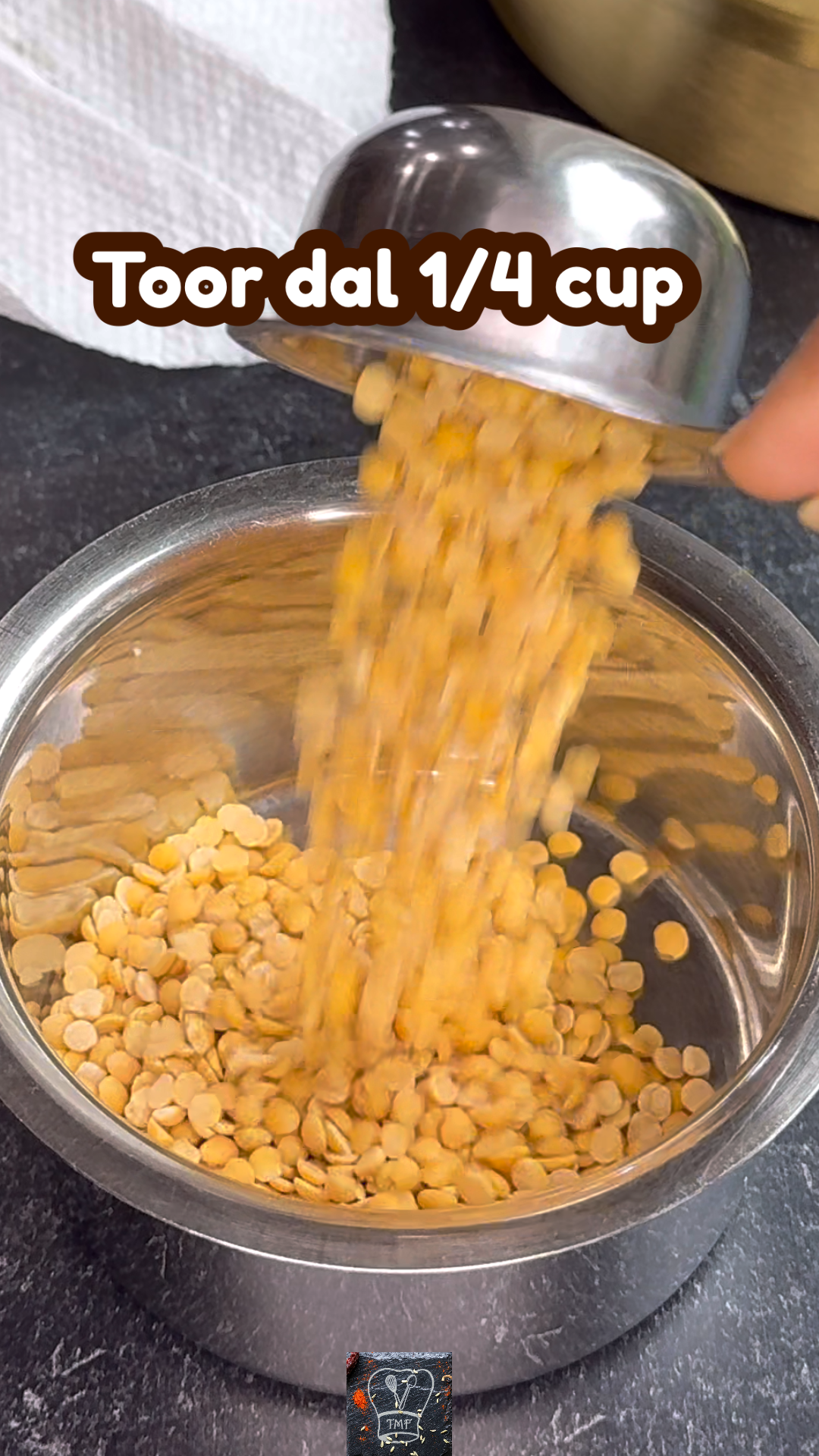
1/4 cup toor dal
1 cup water
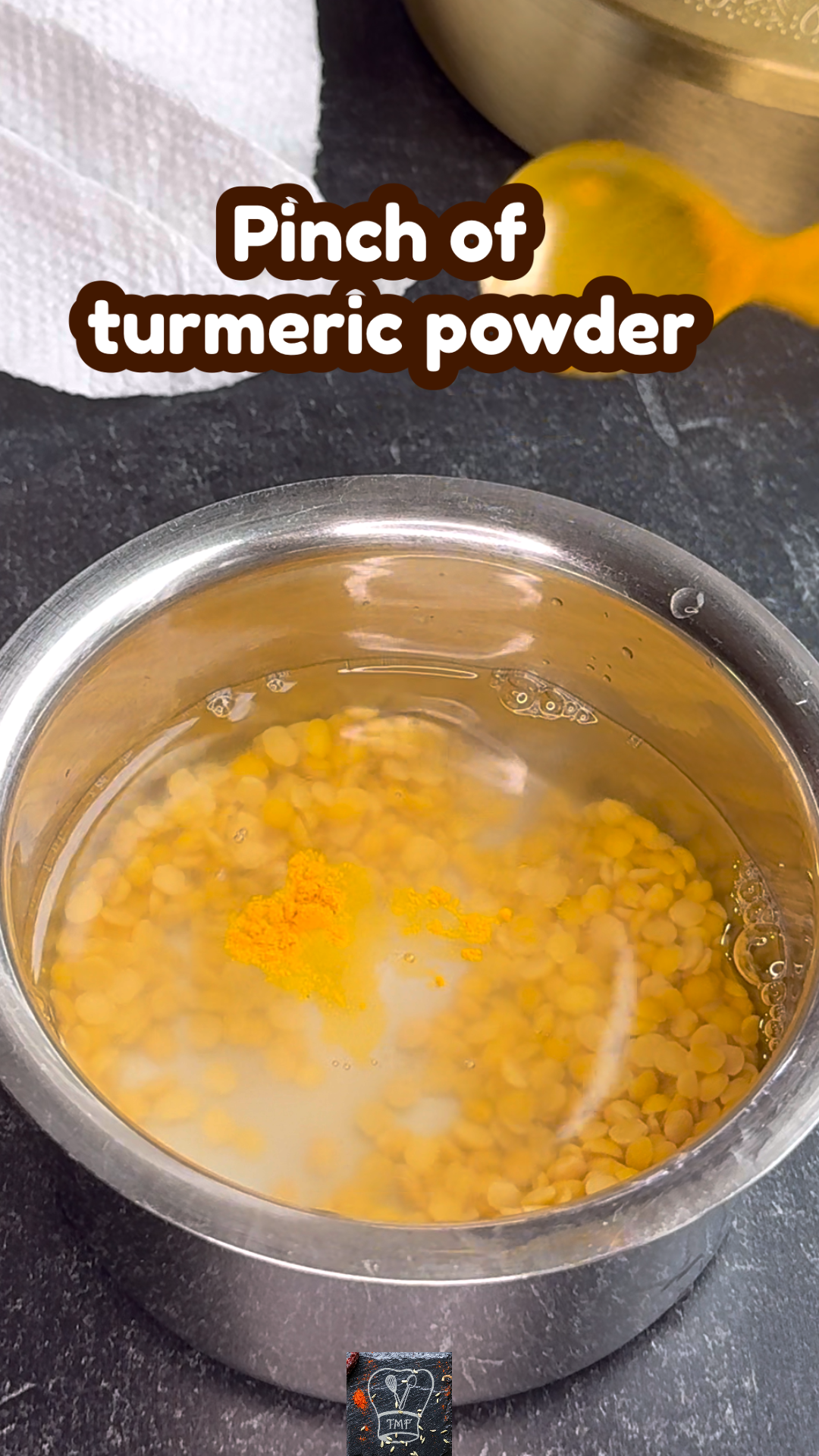
Pinch of turmeric powder
Sambar masala
1/2 teaspoon peanut oil
1 tablespoon coriander seeds
1 teaspoon urad dal
1 teaspoon chana dal
4–5 red chilli
1/4 teaspoon fenugreek seeds
1/2 teaspoon cumin seeds
2 1/2 tablespoons coconut
Small gooseberry-size tamarind
Temper
1 tablespoon oil
1/2 teaspoon mustard seeds
2 red chilli
Asafoetida
Curry leaves
Sambar
2 cups pumpkin
1/4 cup tomato
Water as needed
Salt as required
1/4 teaspoon turmeric powder
Little jaggery
How to make temple-style pumpkin sambar with step-by-step pictures
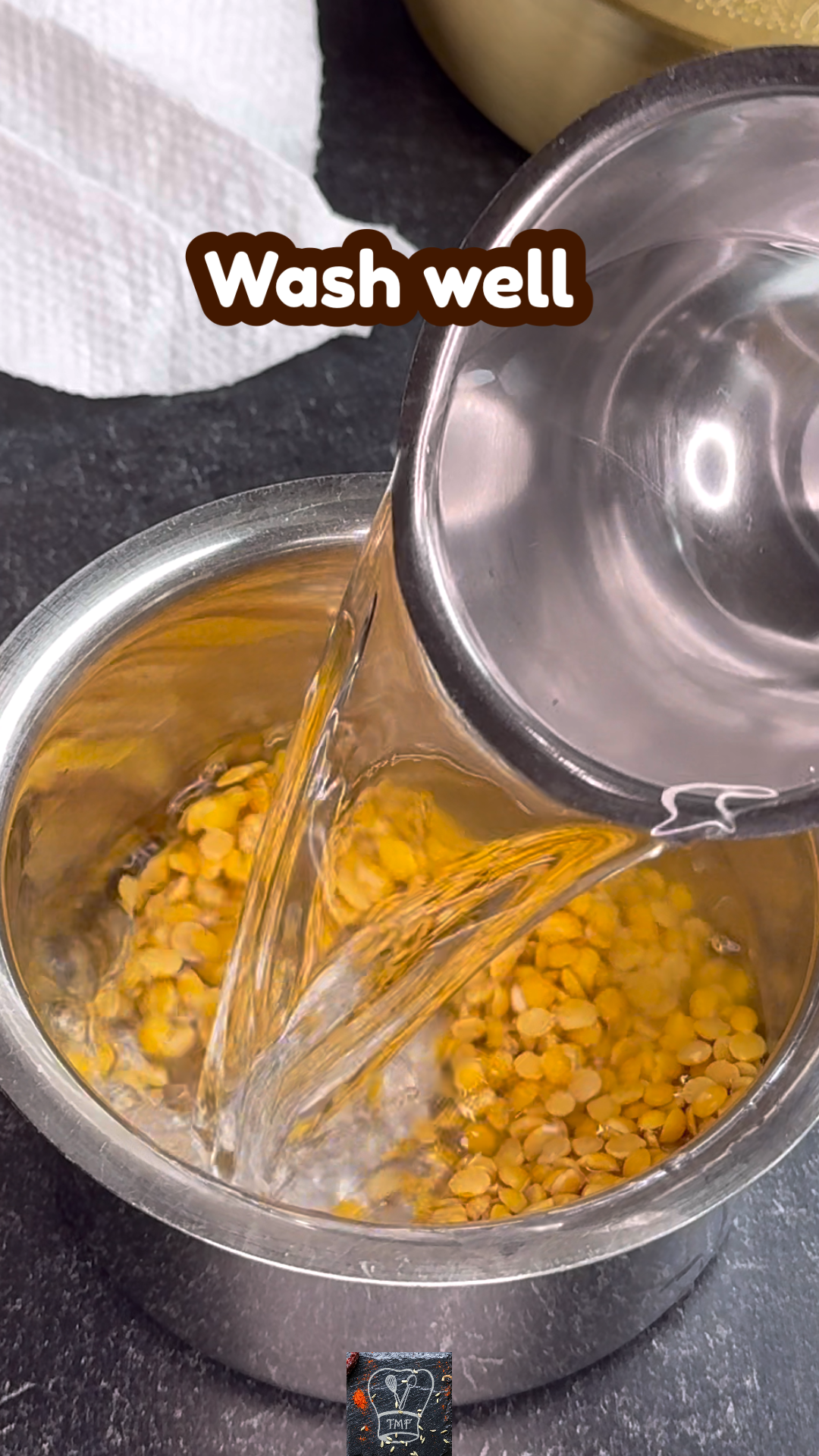
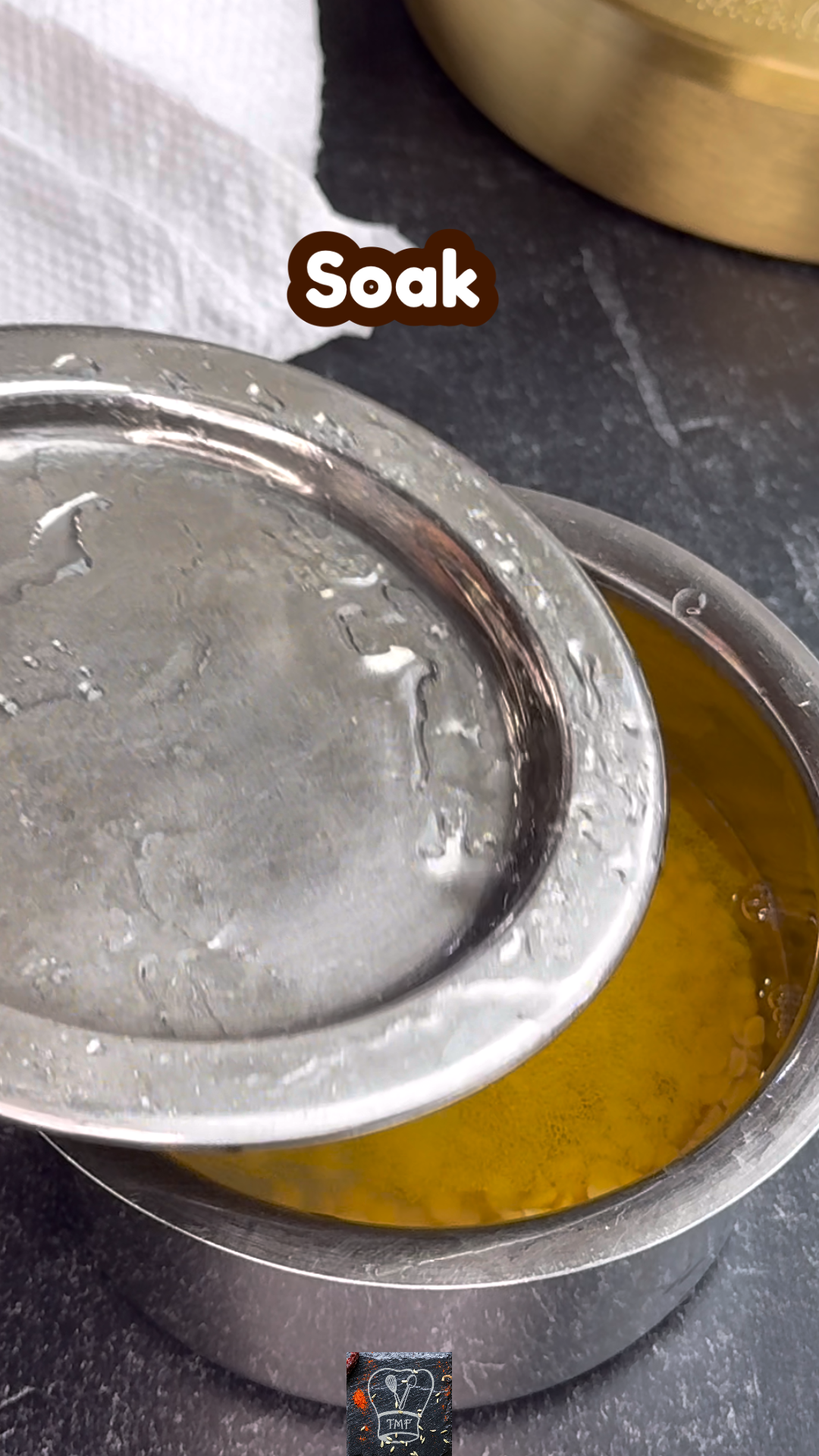
- ️ Firstly, wash and soak the dal for 30 minutes
- ️ Add a pinch of turmeric powder and pressure cook for 4 whistles; let the pressure release naturally
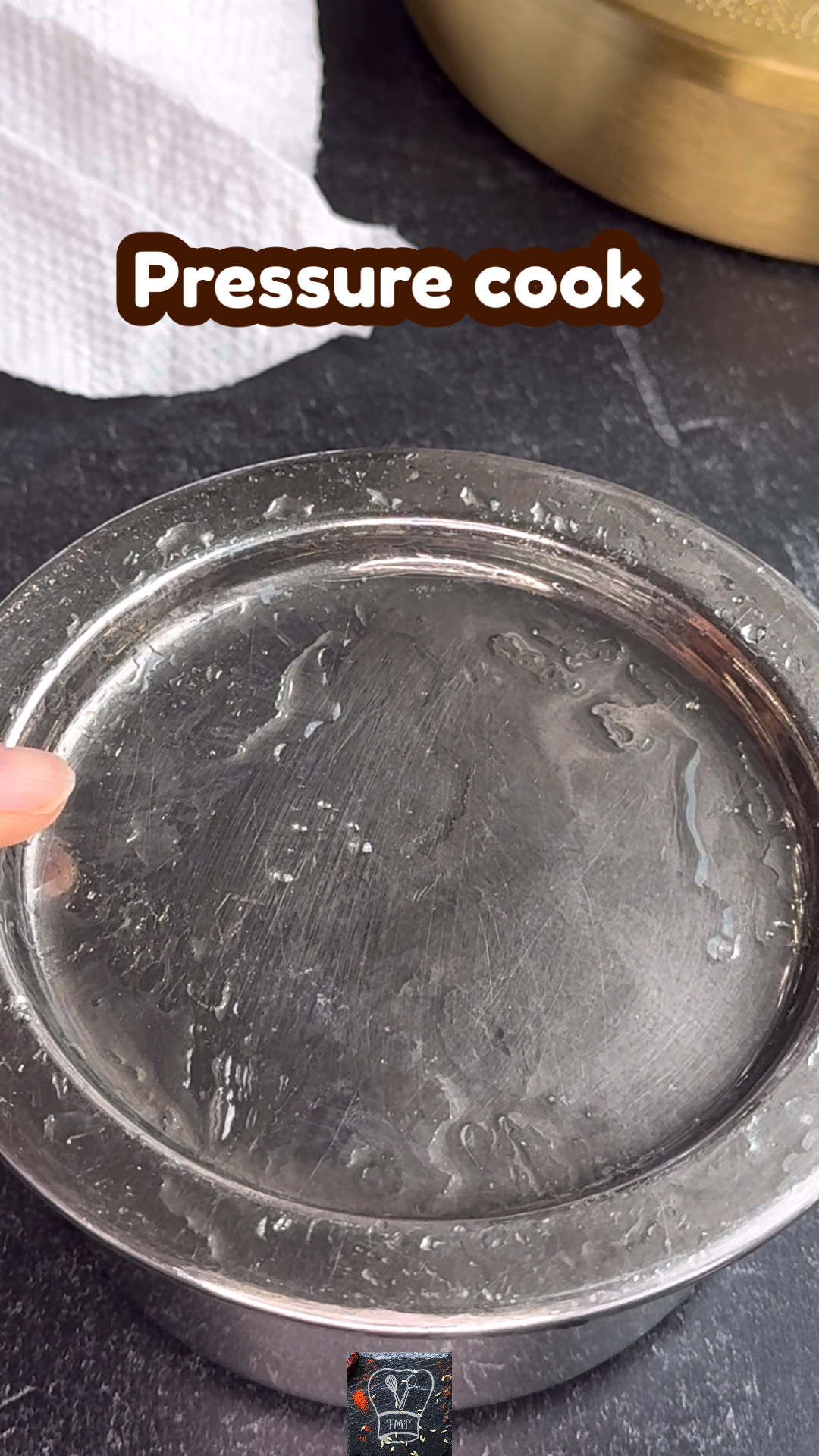
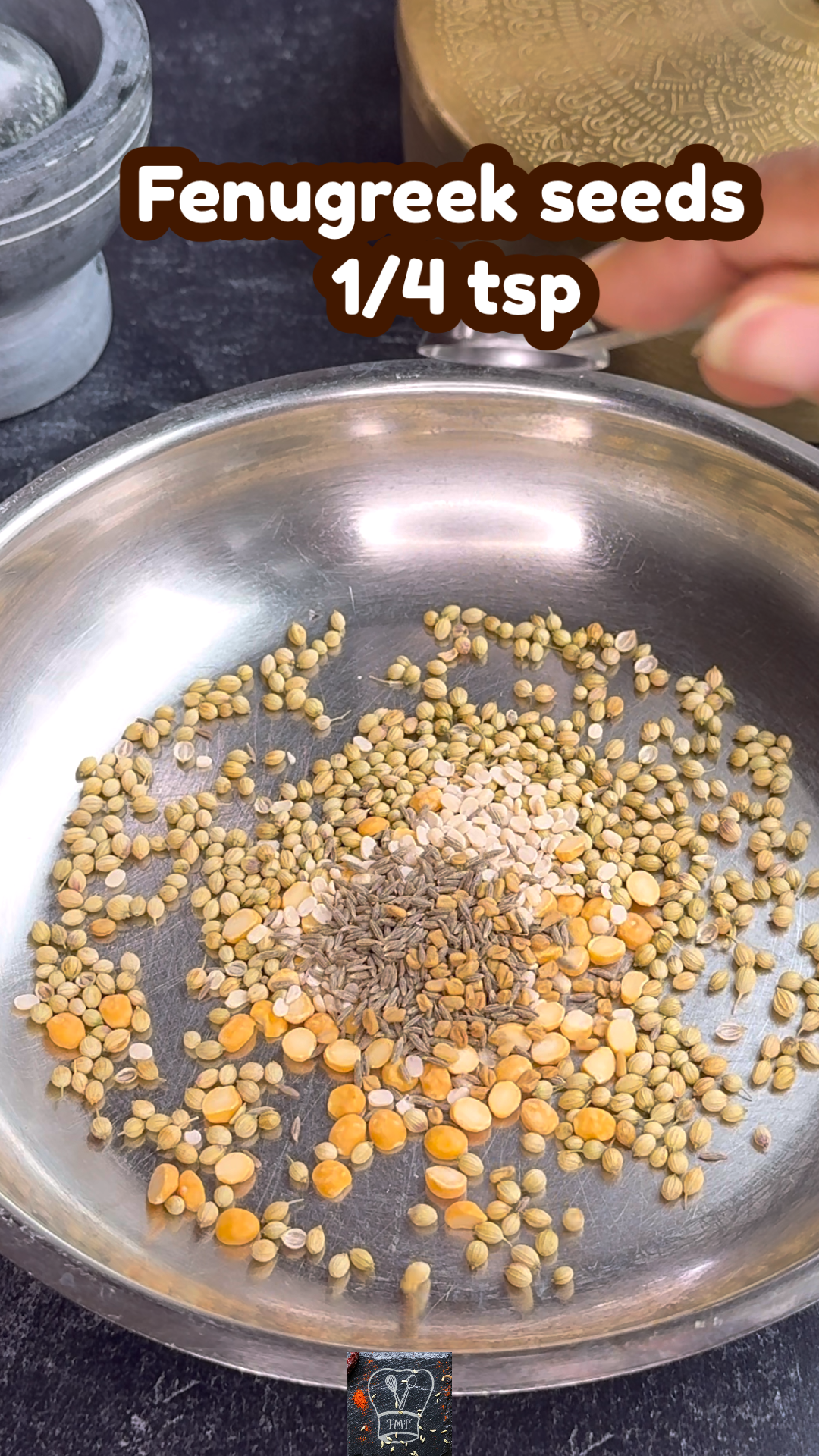
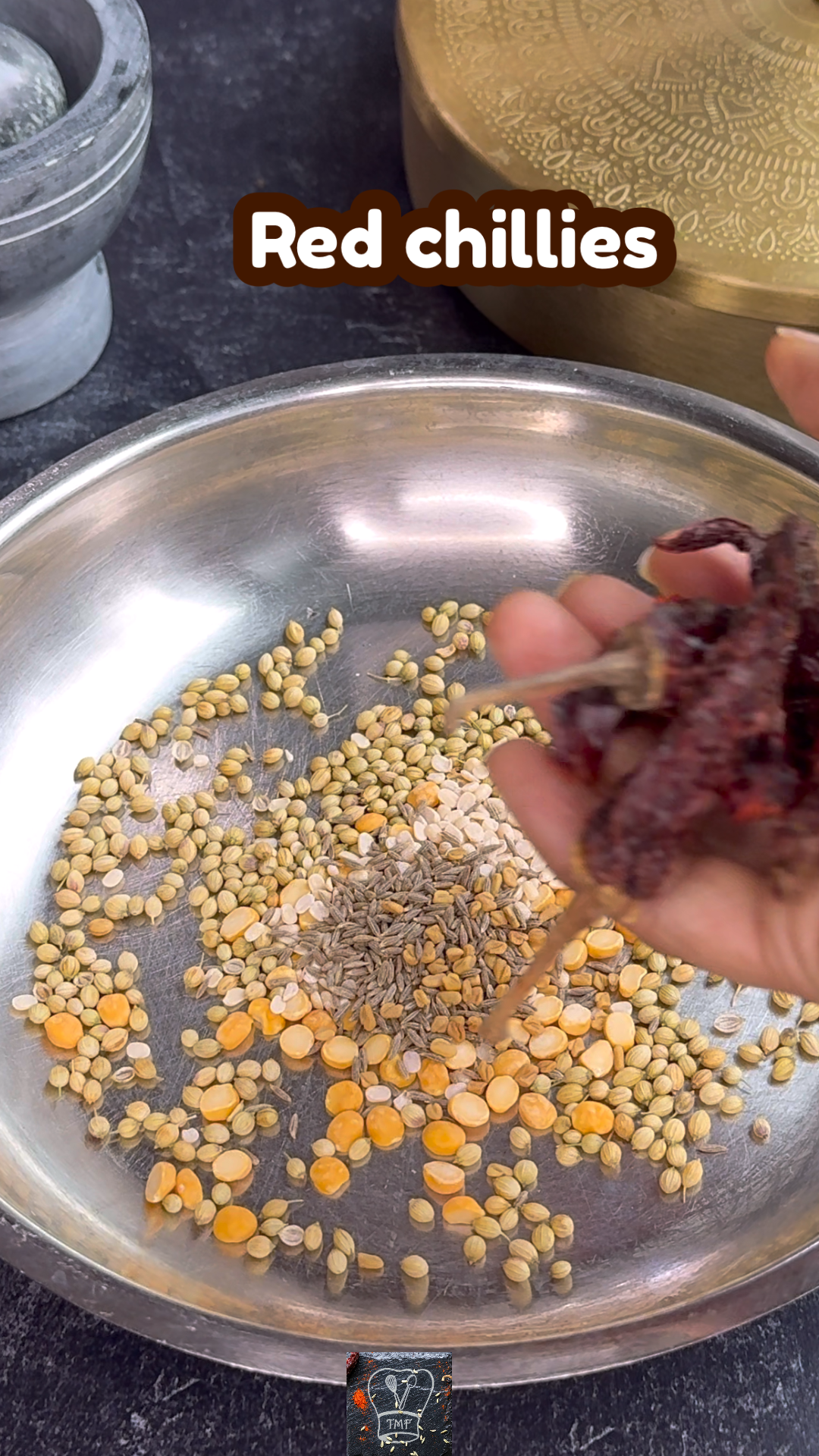
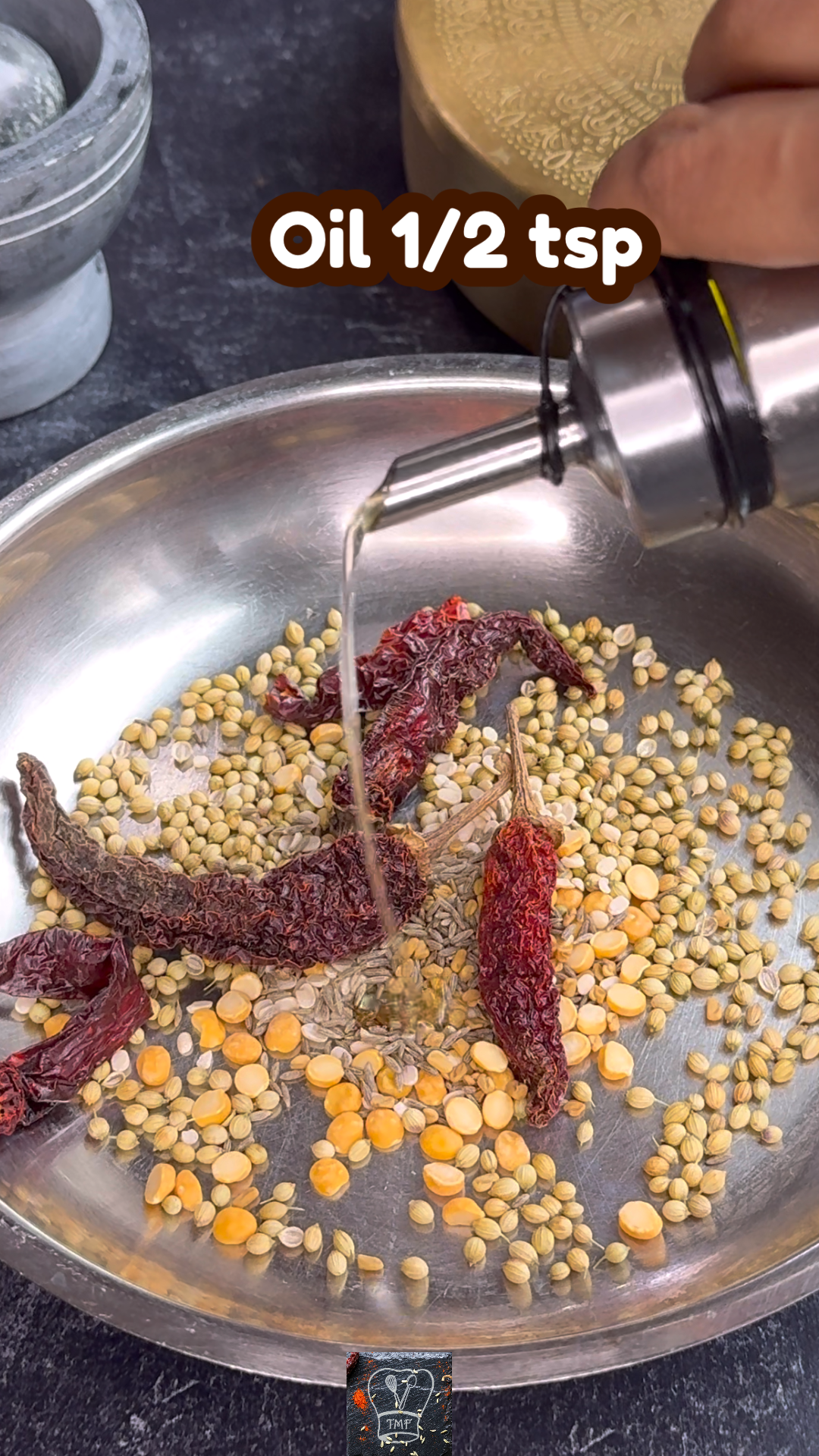
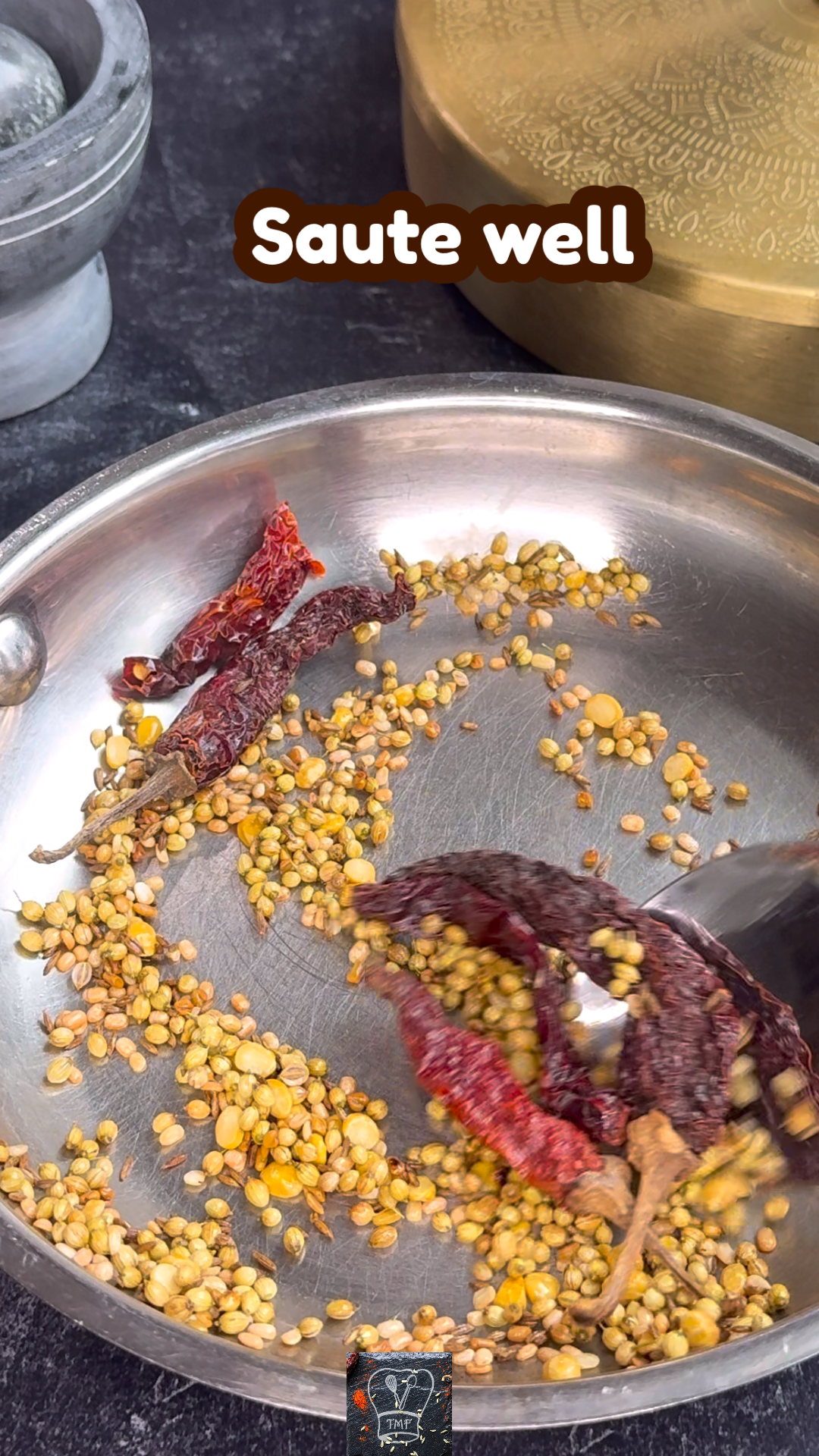
- ️ Heat oil and roast coriander seeds, chana dal, urad dal, cumin seeds, red chilli, and fenugreek seeds until aromatic and the color changes
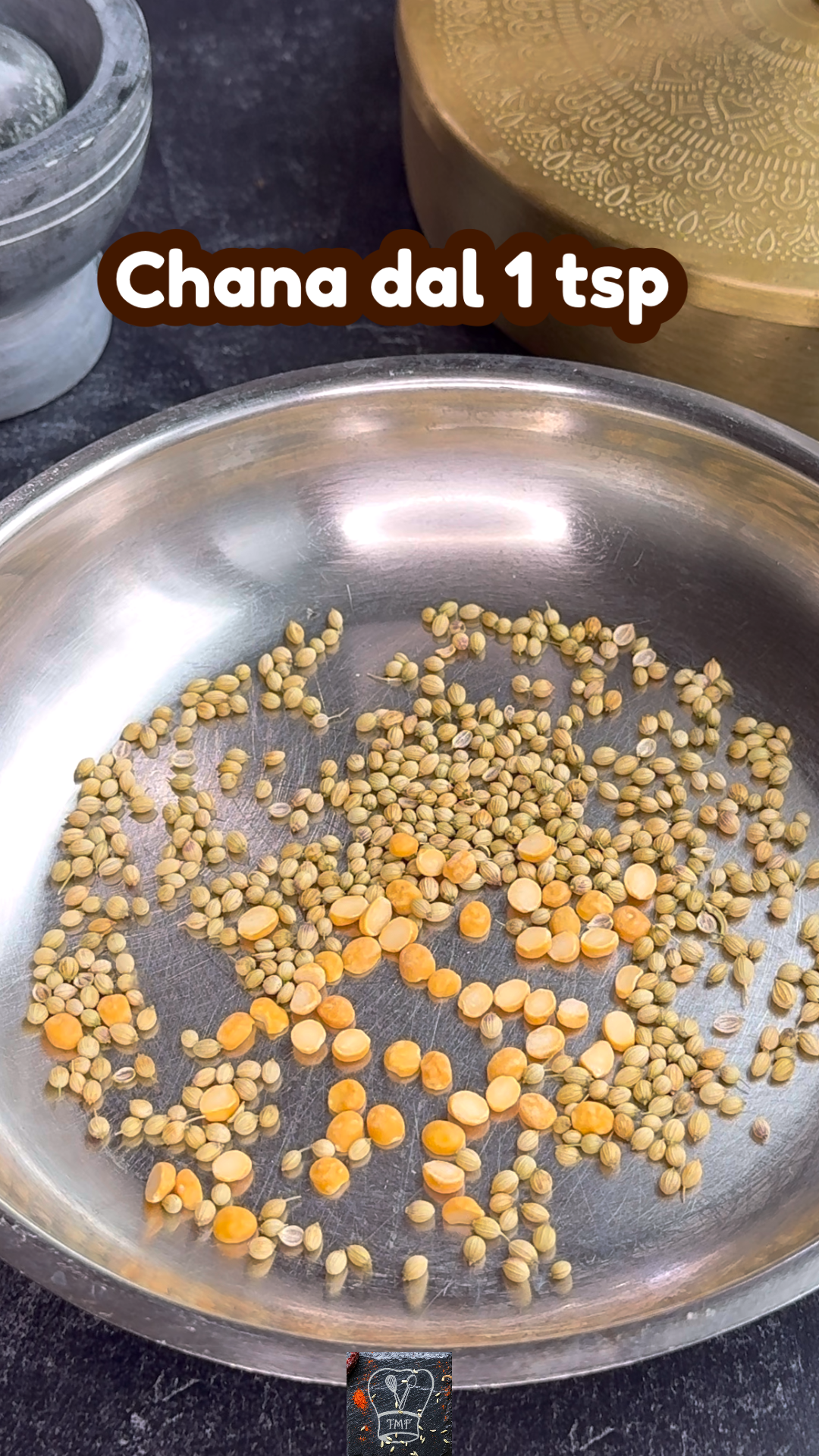
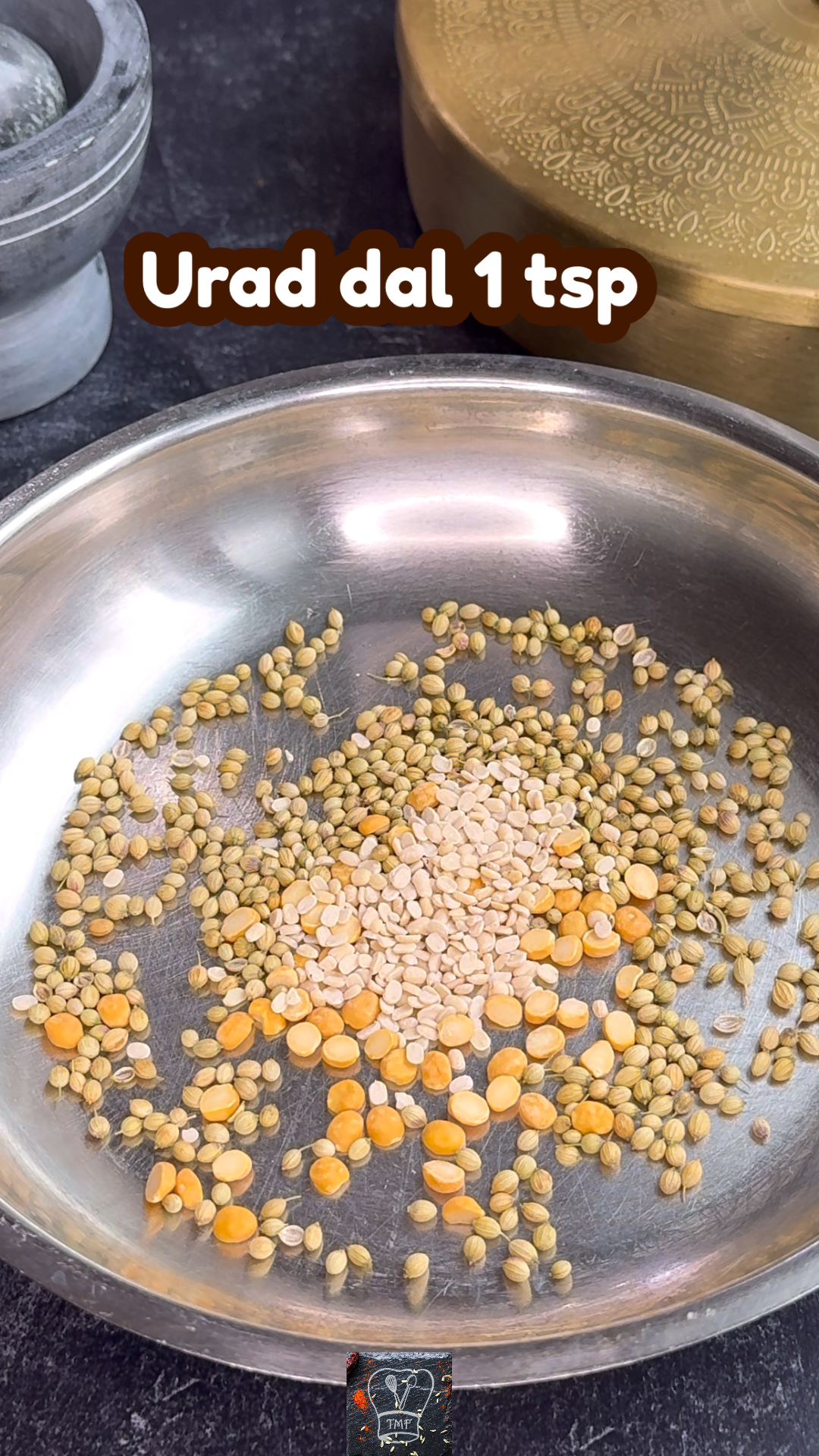
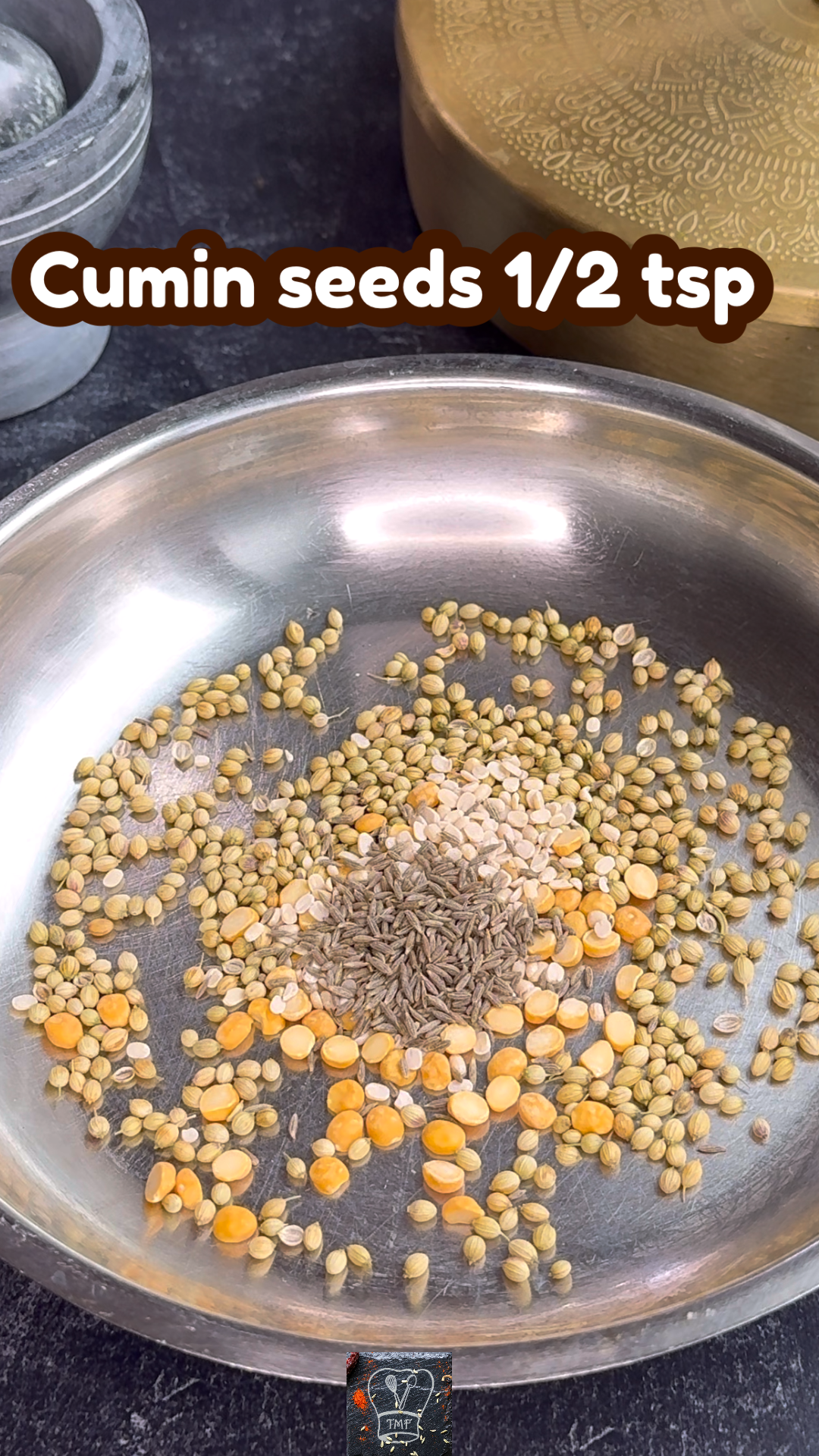
- ️ Add coconut and tamarind; sauté until the coconut turns dry and slightly changes color
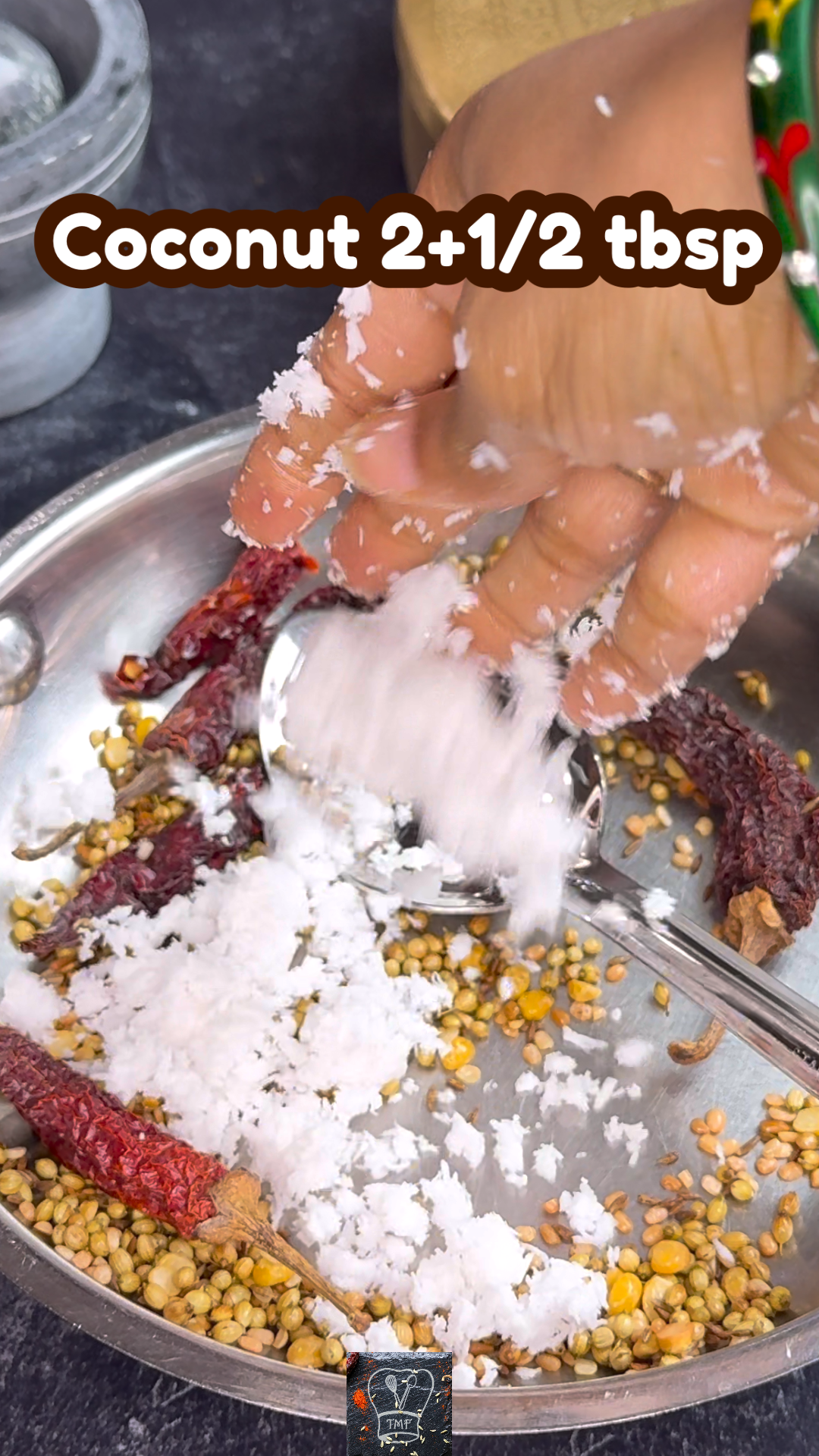
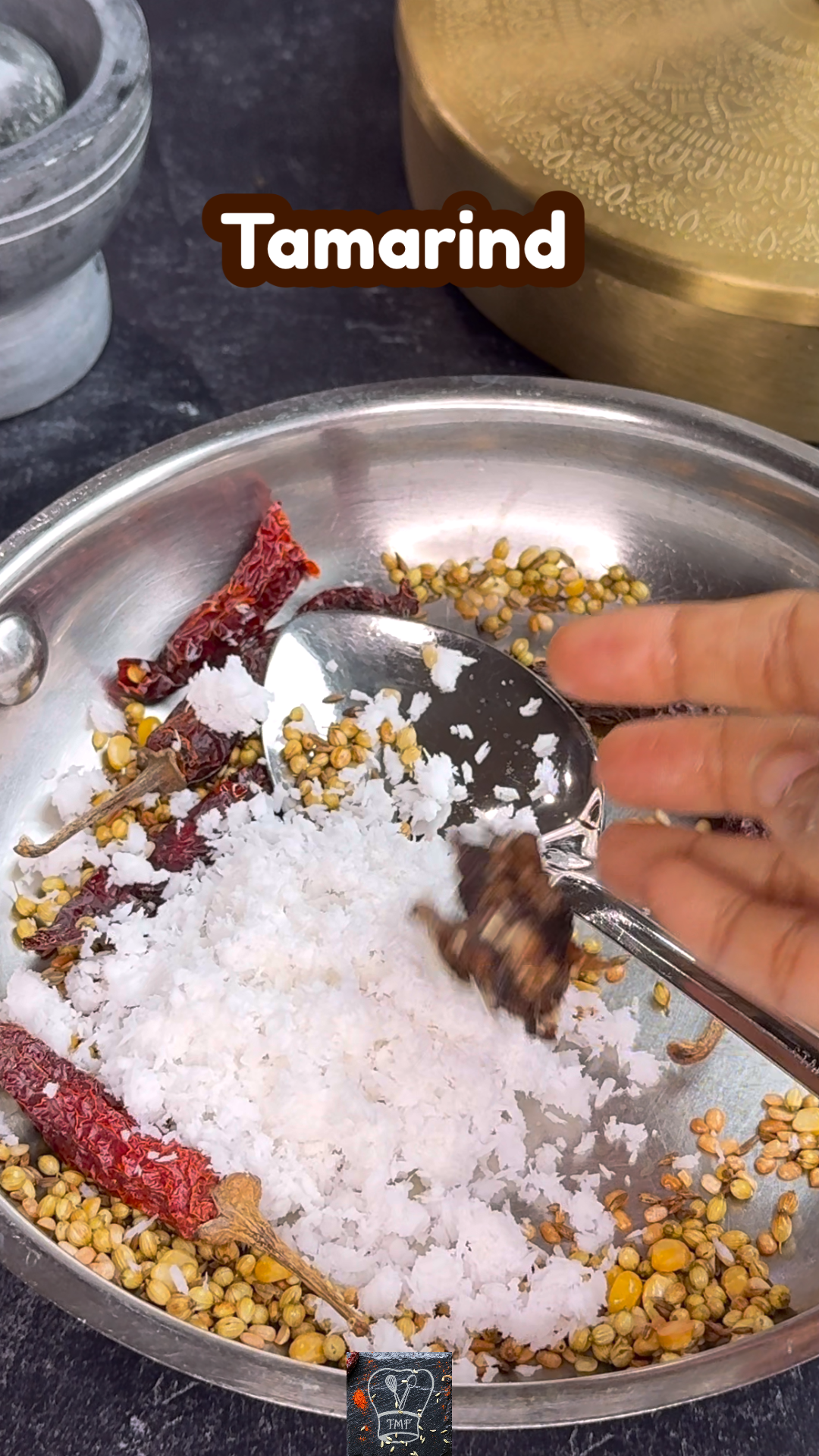
- ️ Turn off the stove, add water, and let it cool
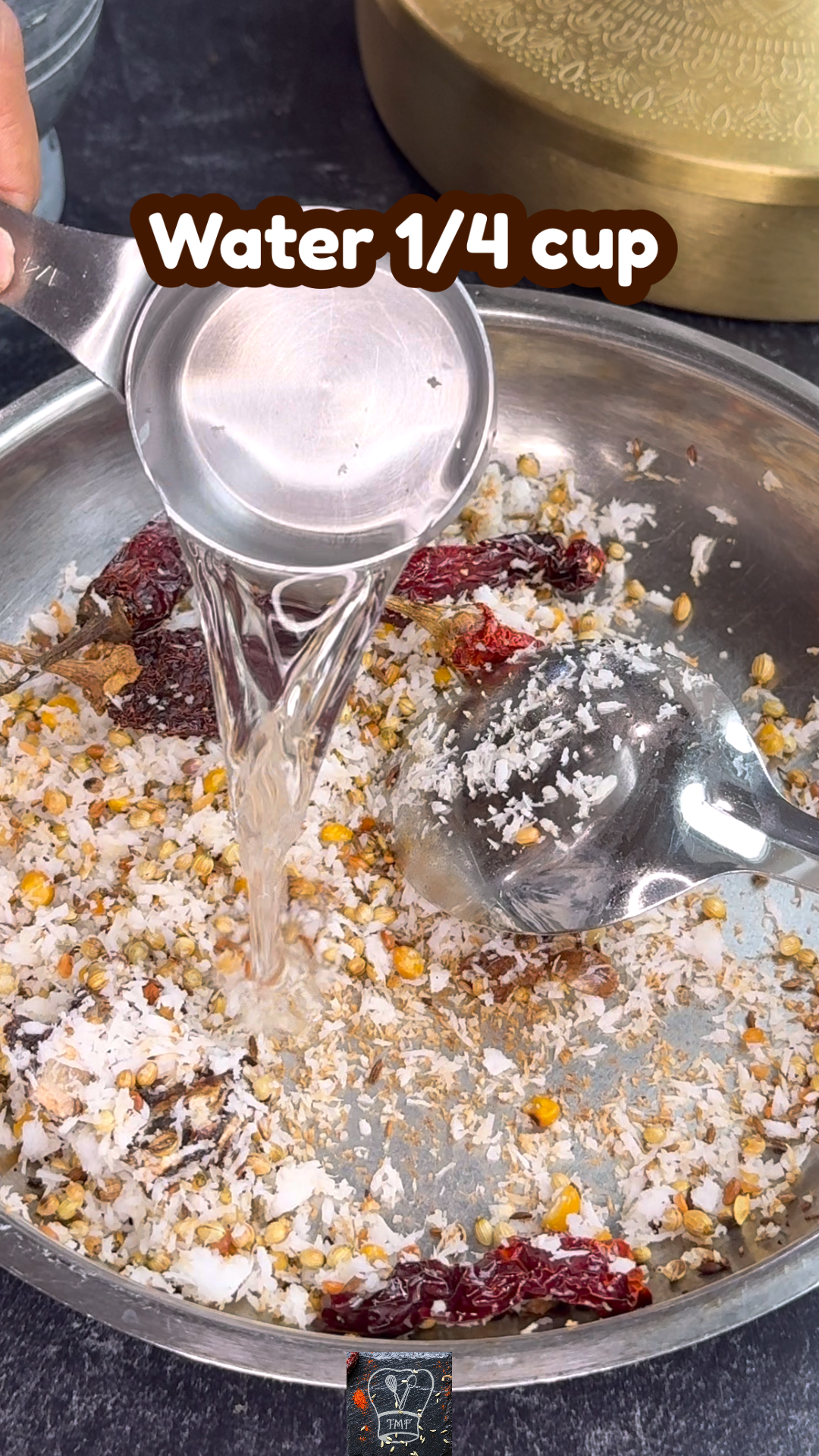
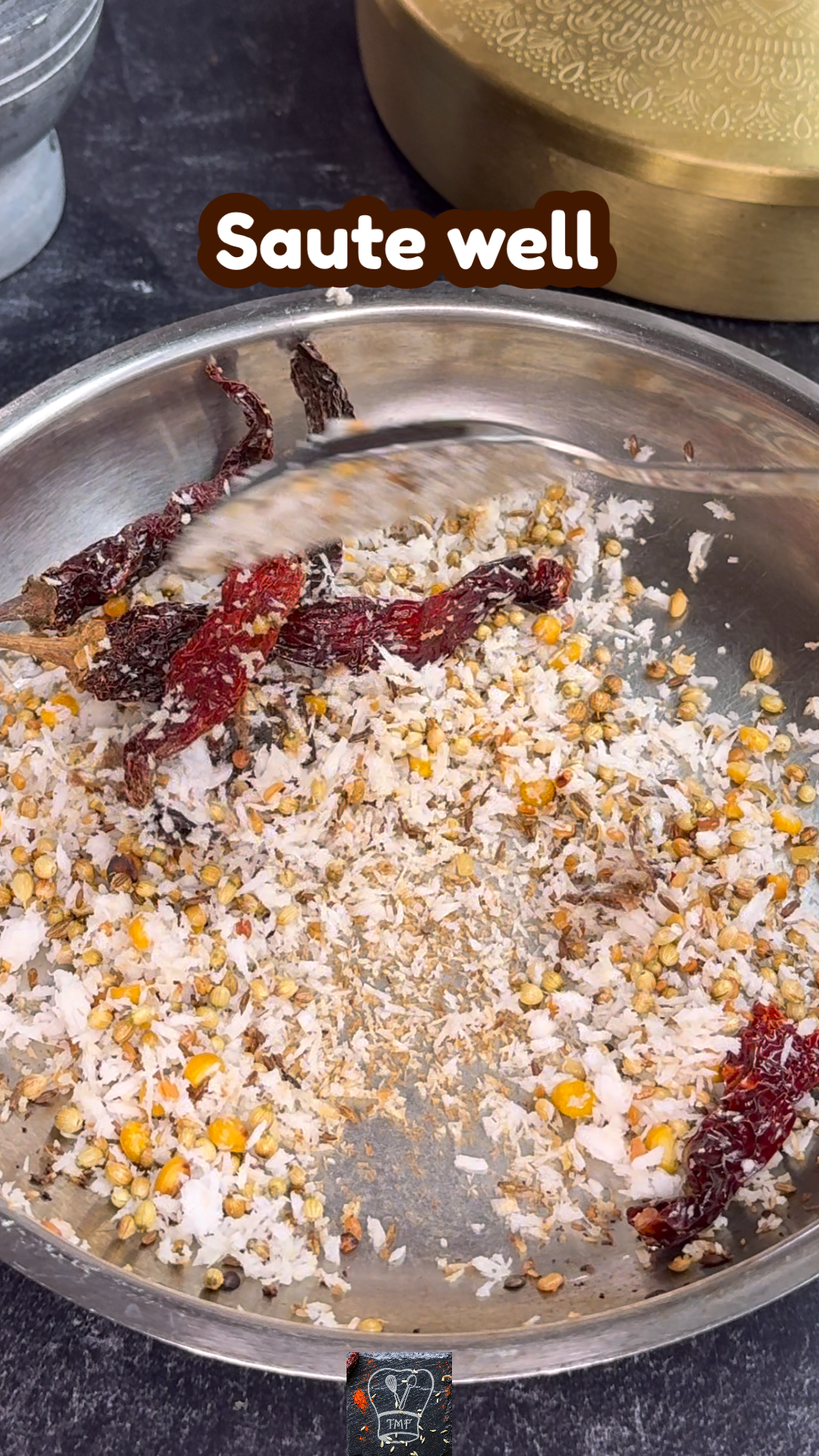
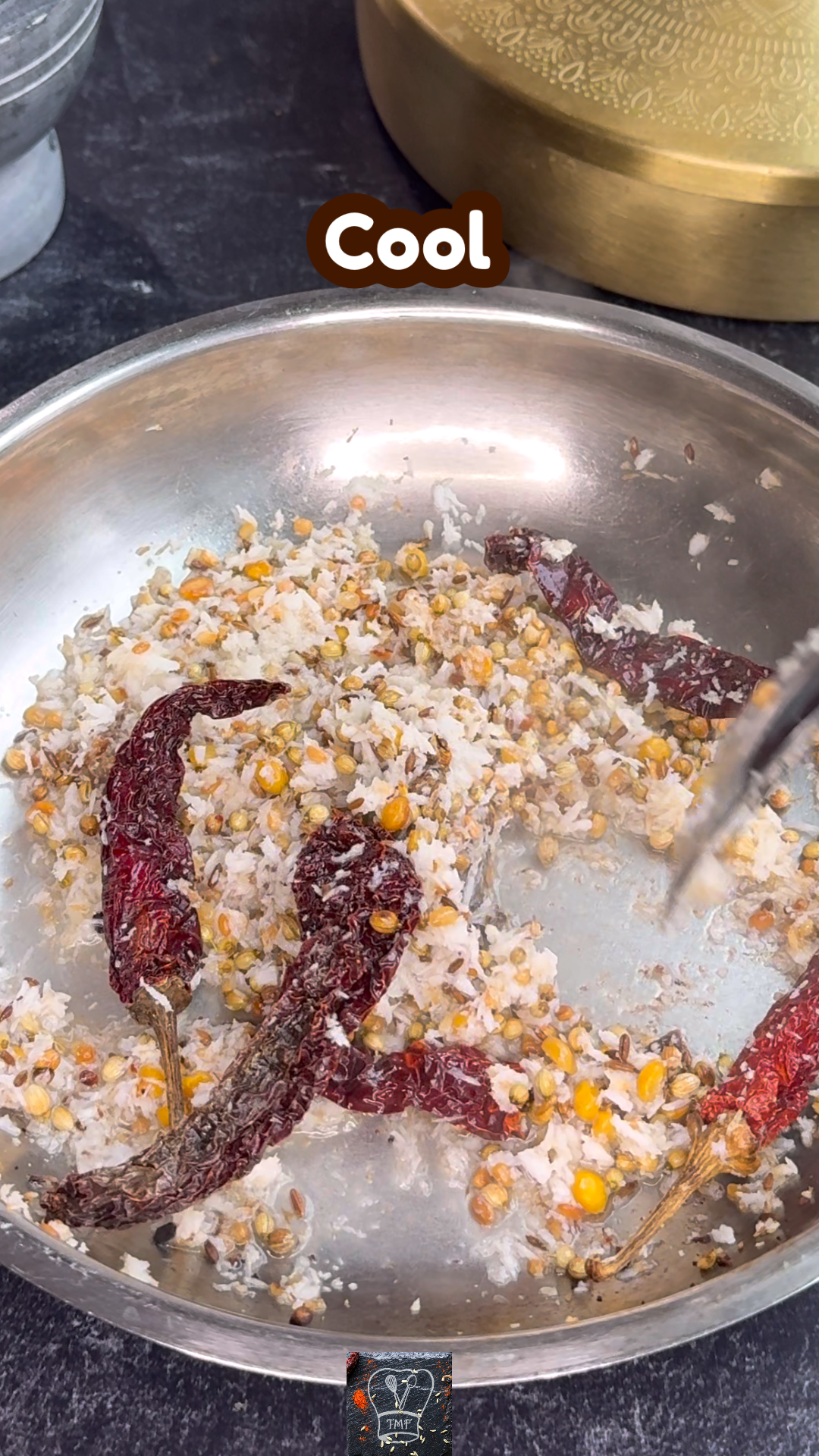
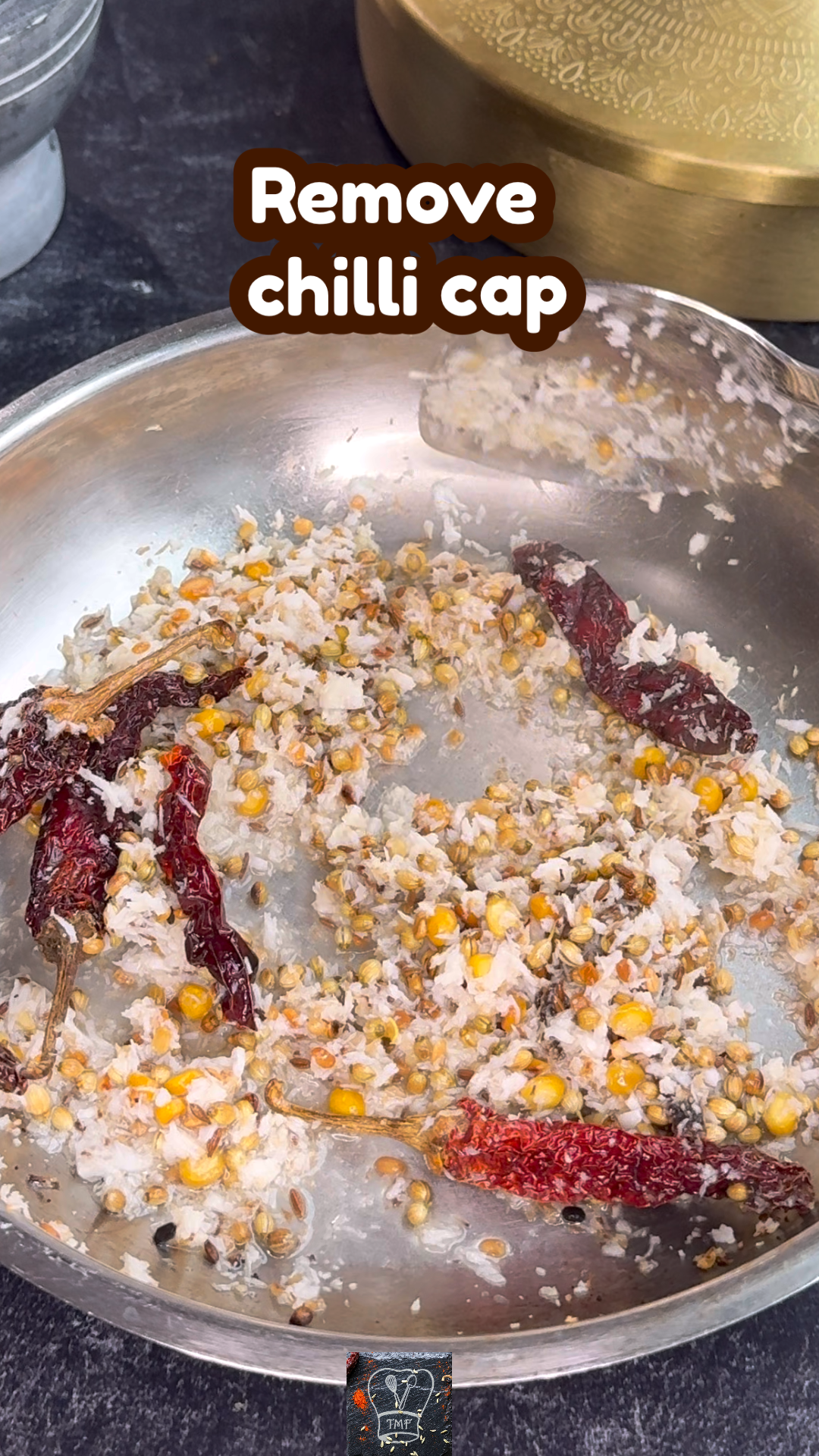
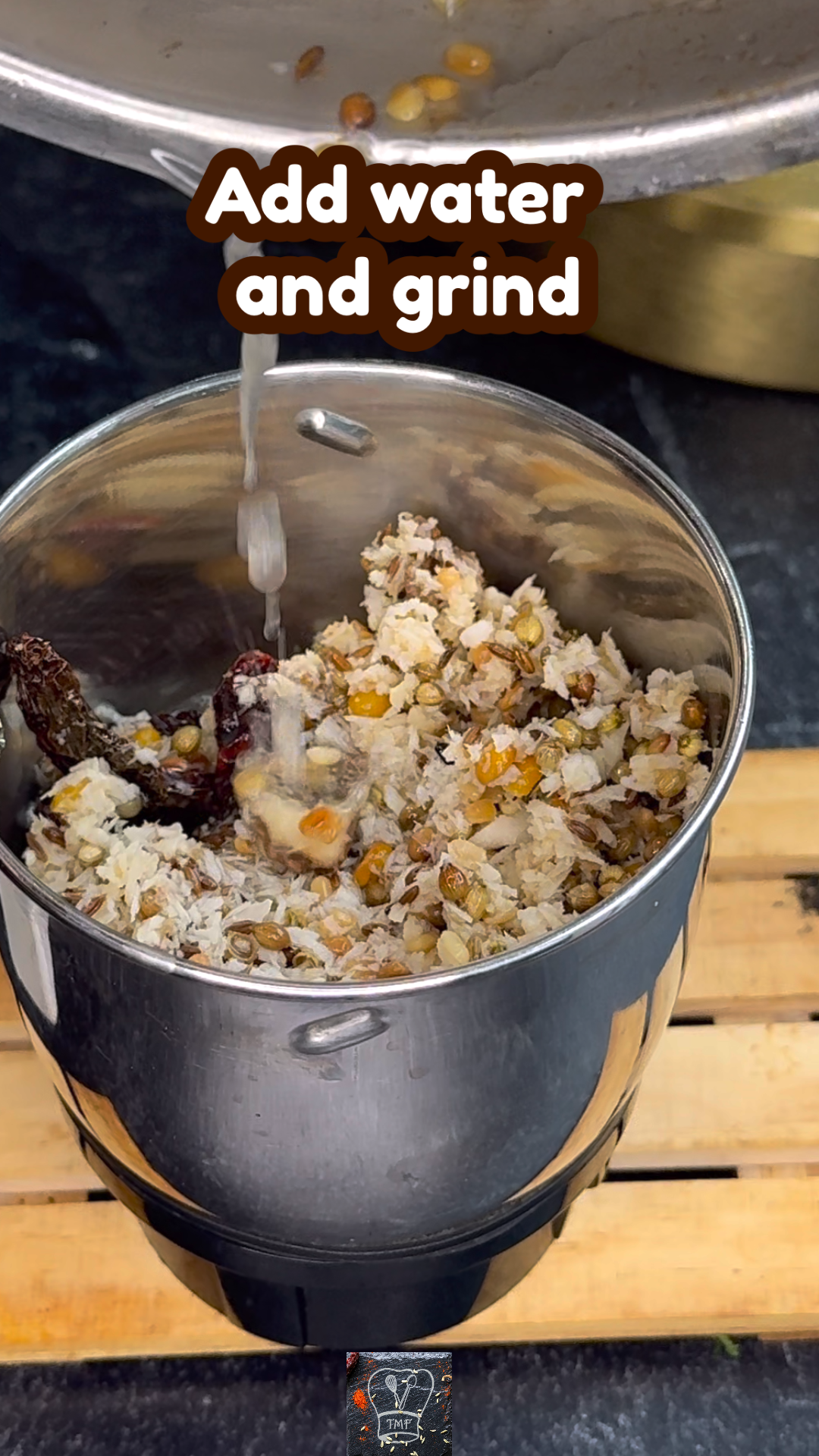
- ️ Grind into a smooth sambar masala
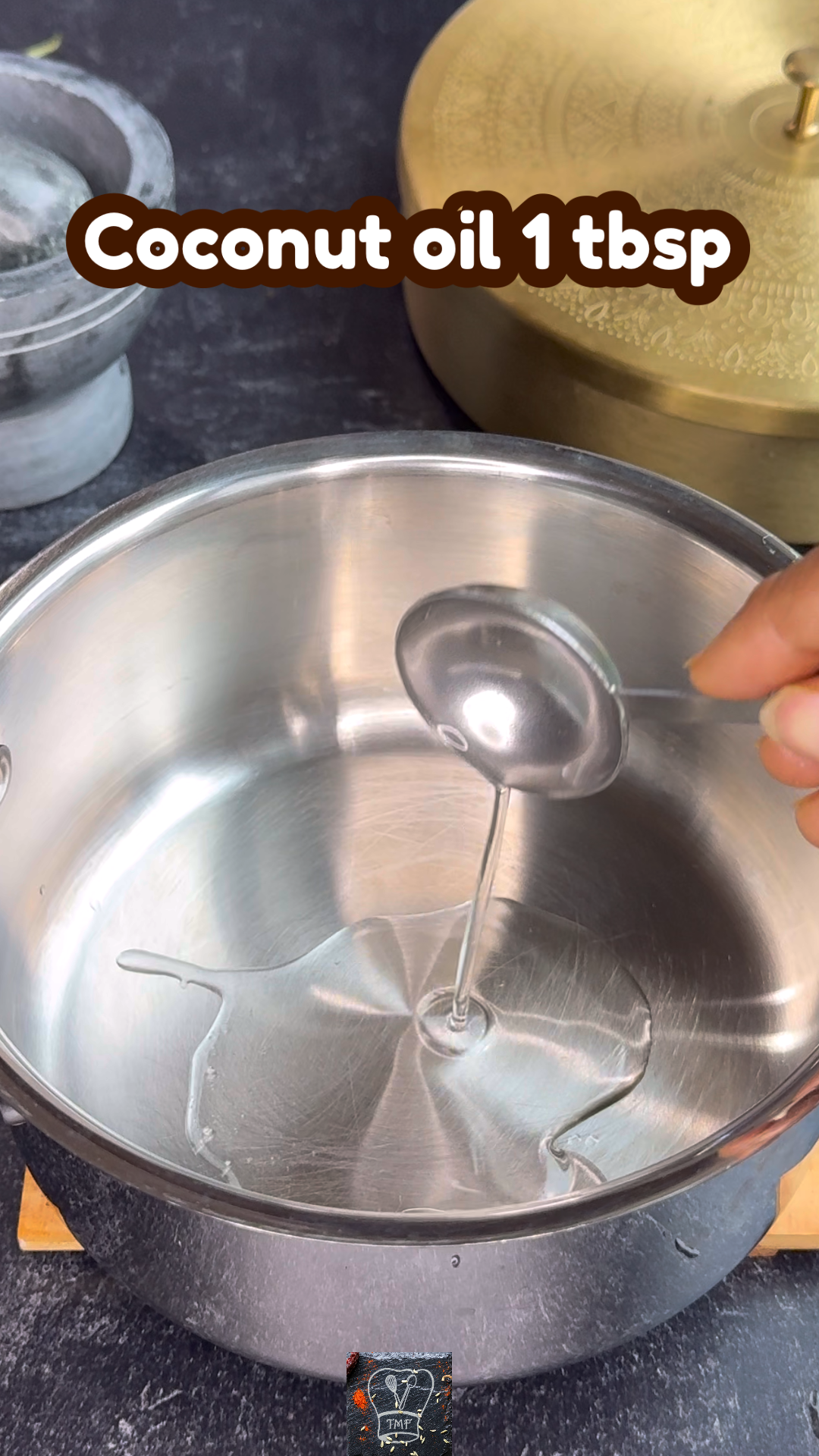
- ️ Heat oil in a pan and splutter mustard seeds
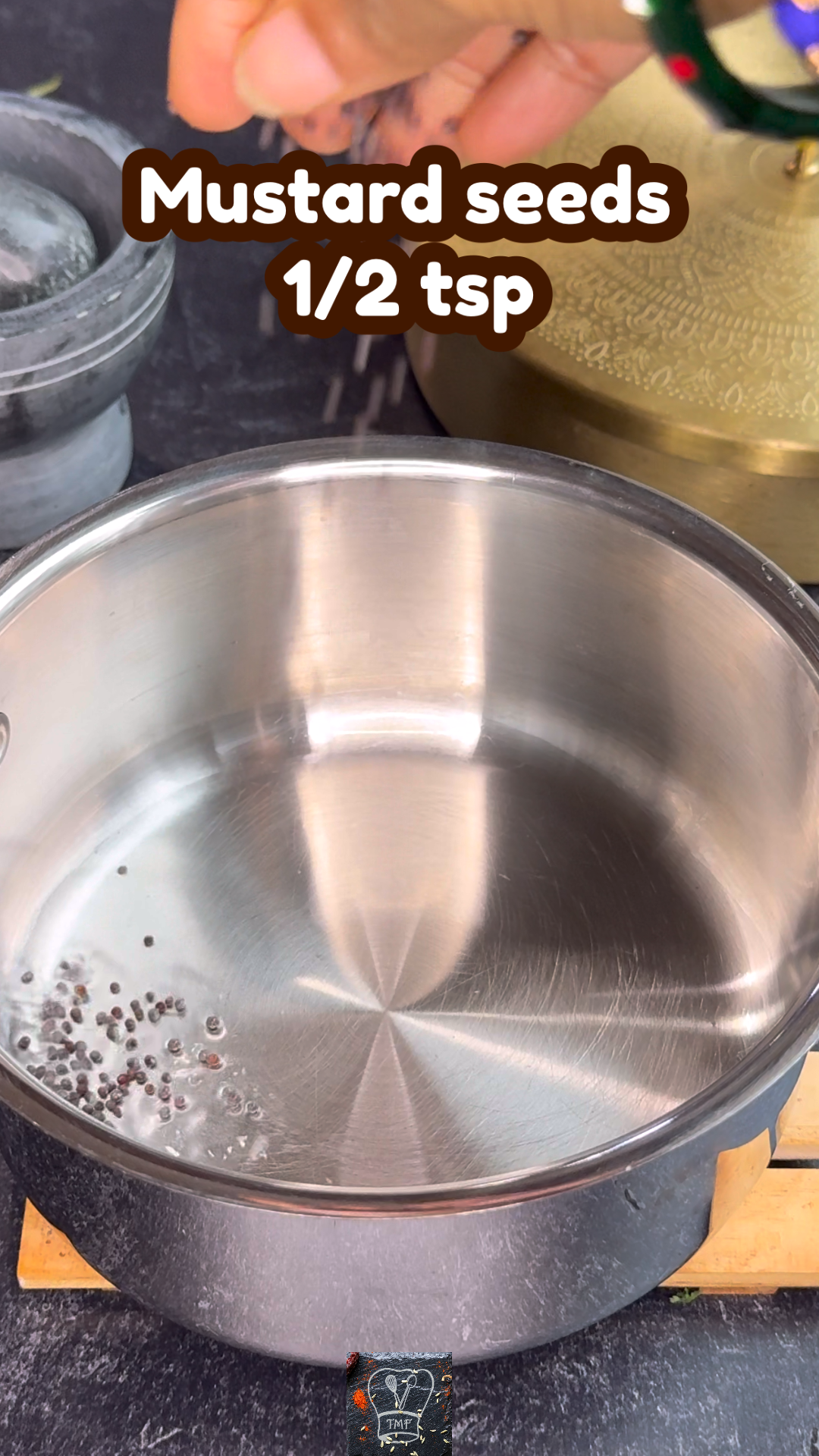
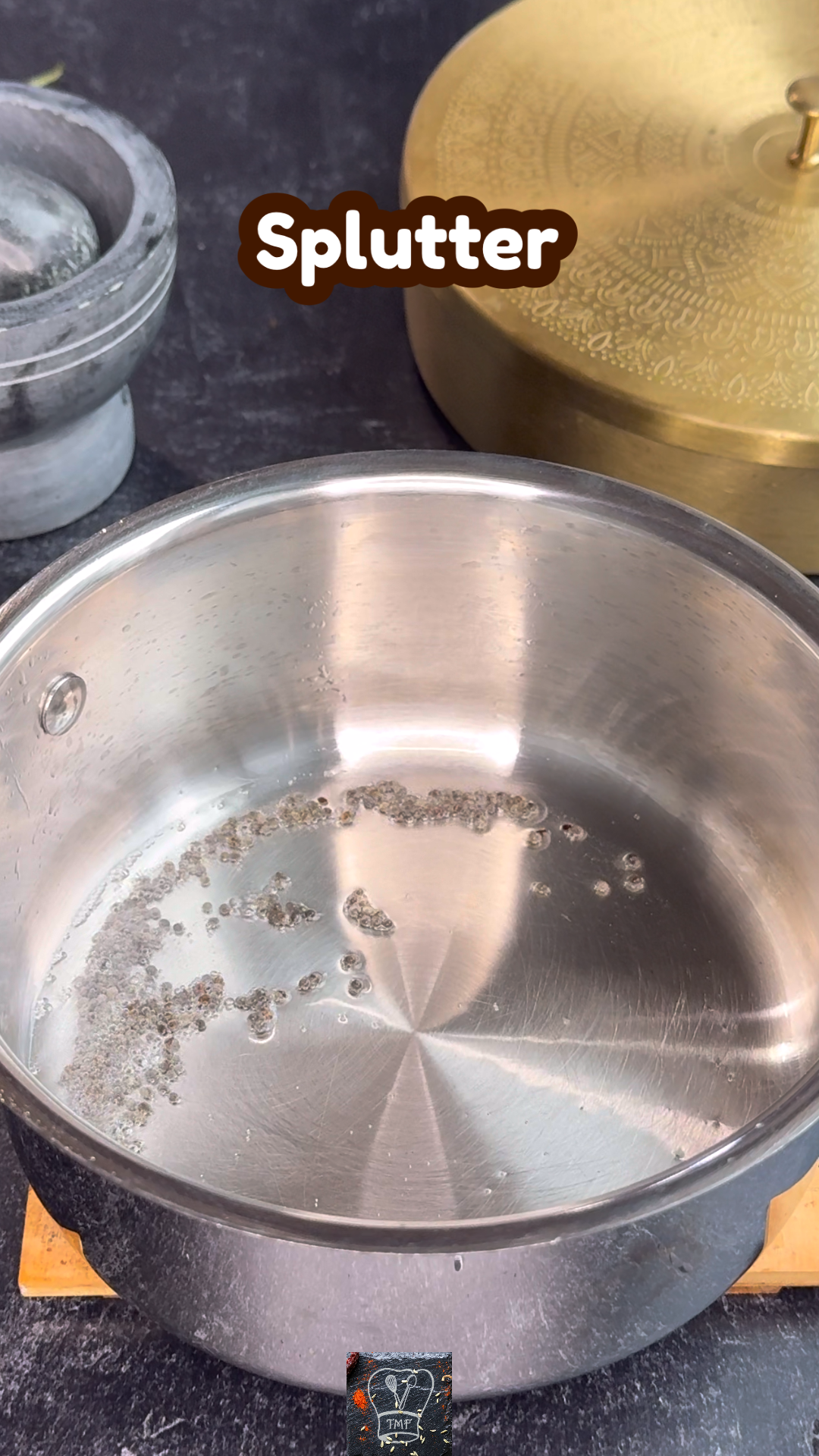
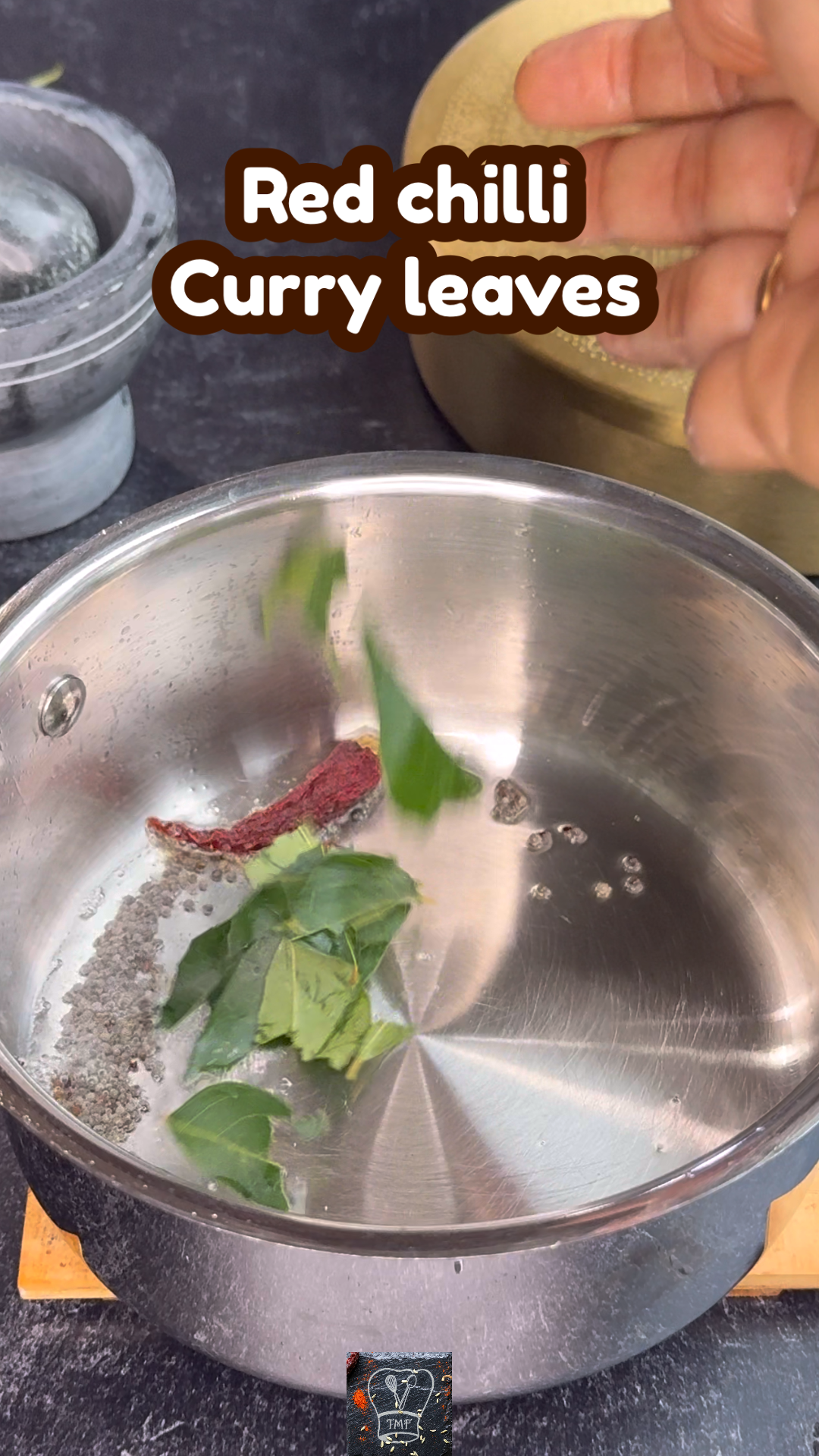
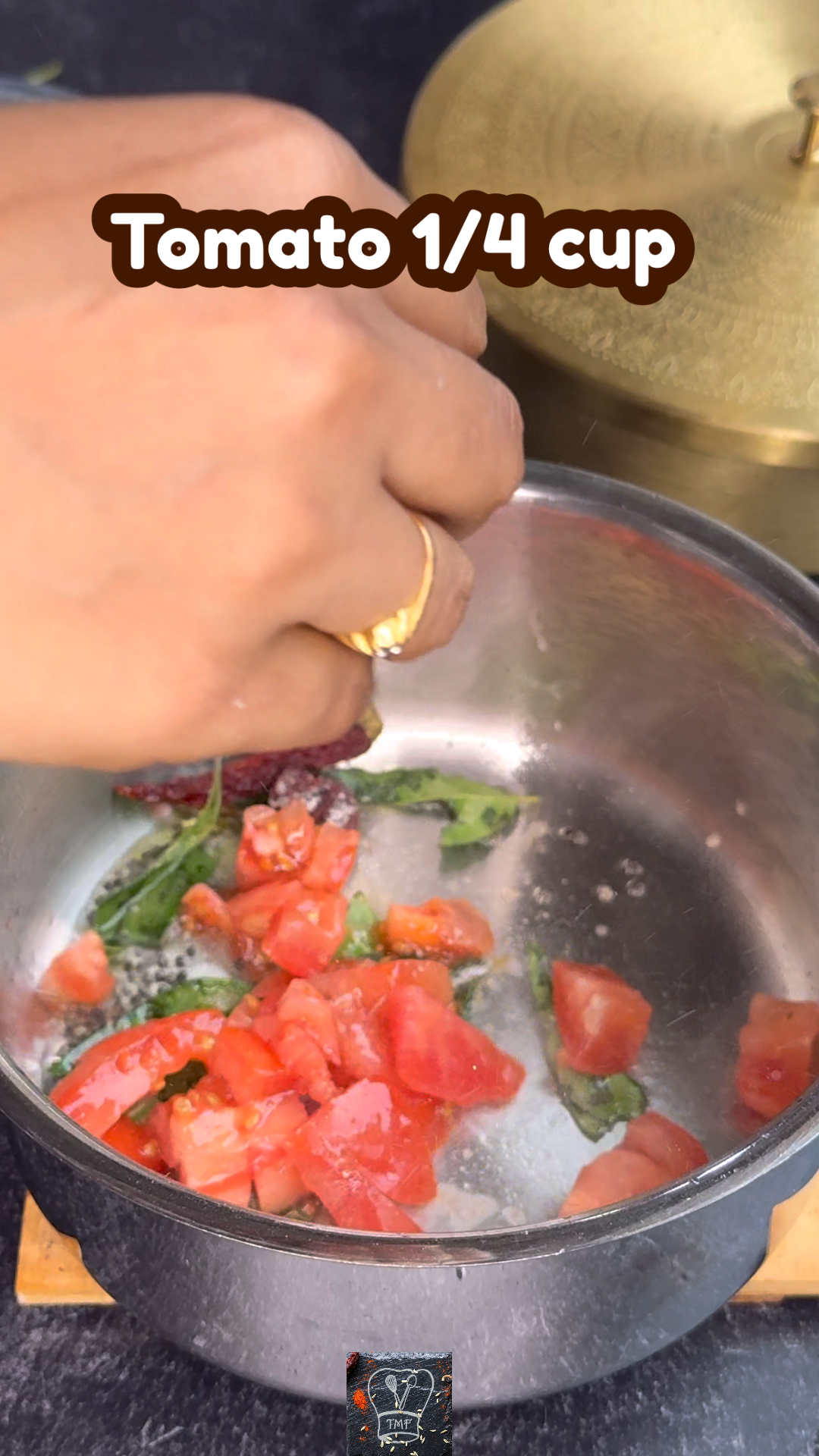
- ️ Add red chilli, curry leaves, asafoetida, tomatoes, pumpkin, turmeric powder, salt, and water; boil for 4 minutes
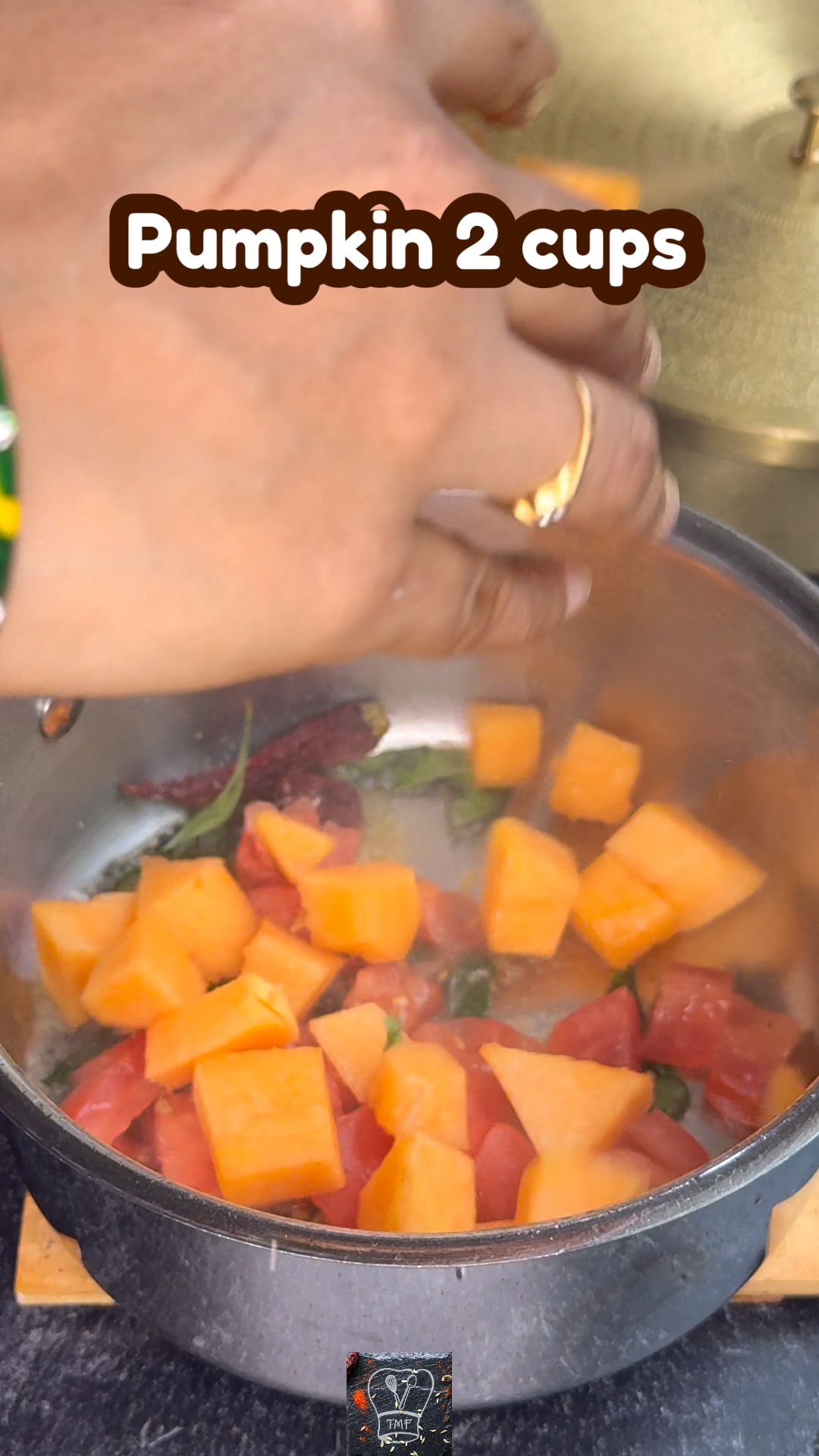
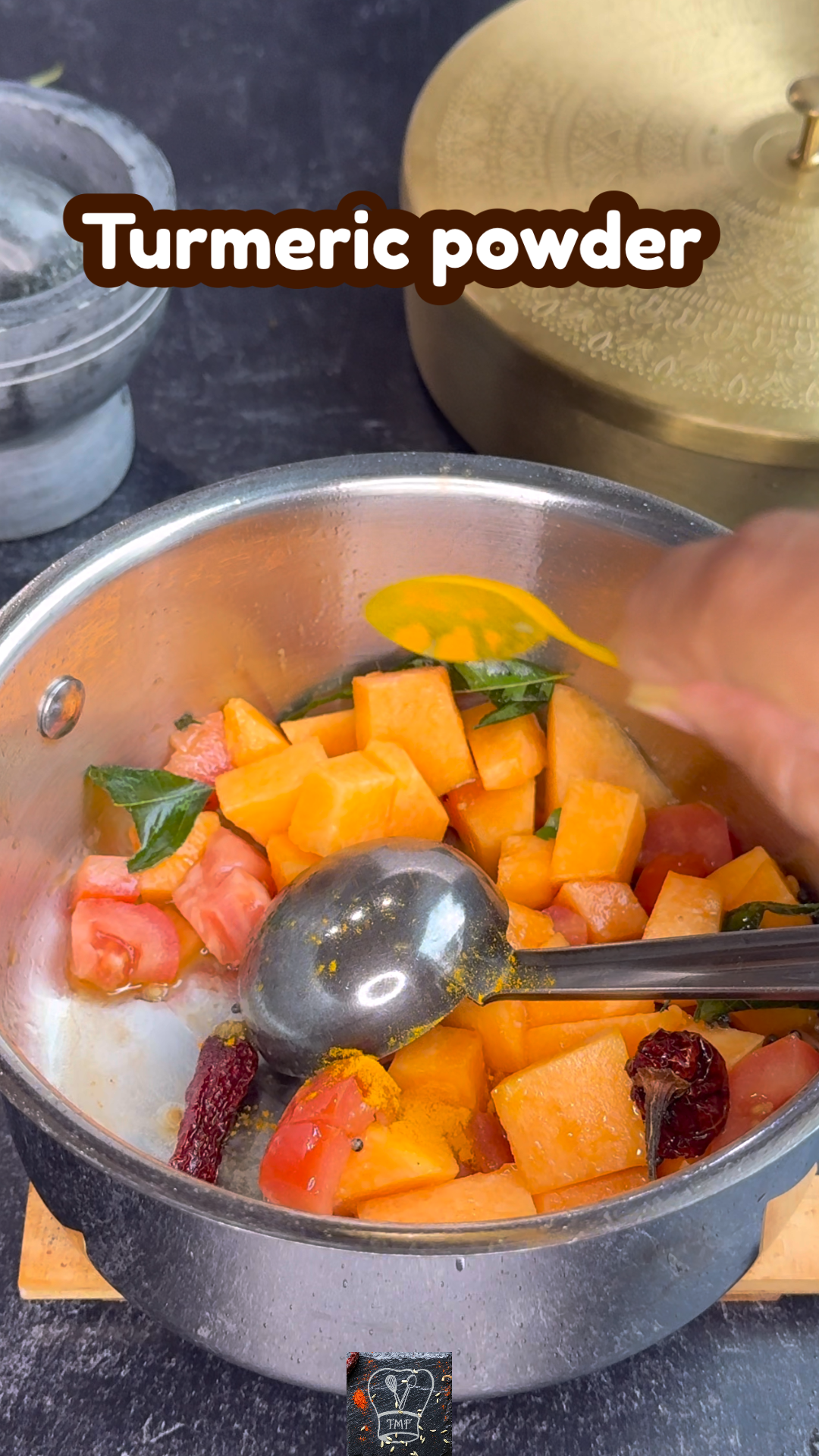
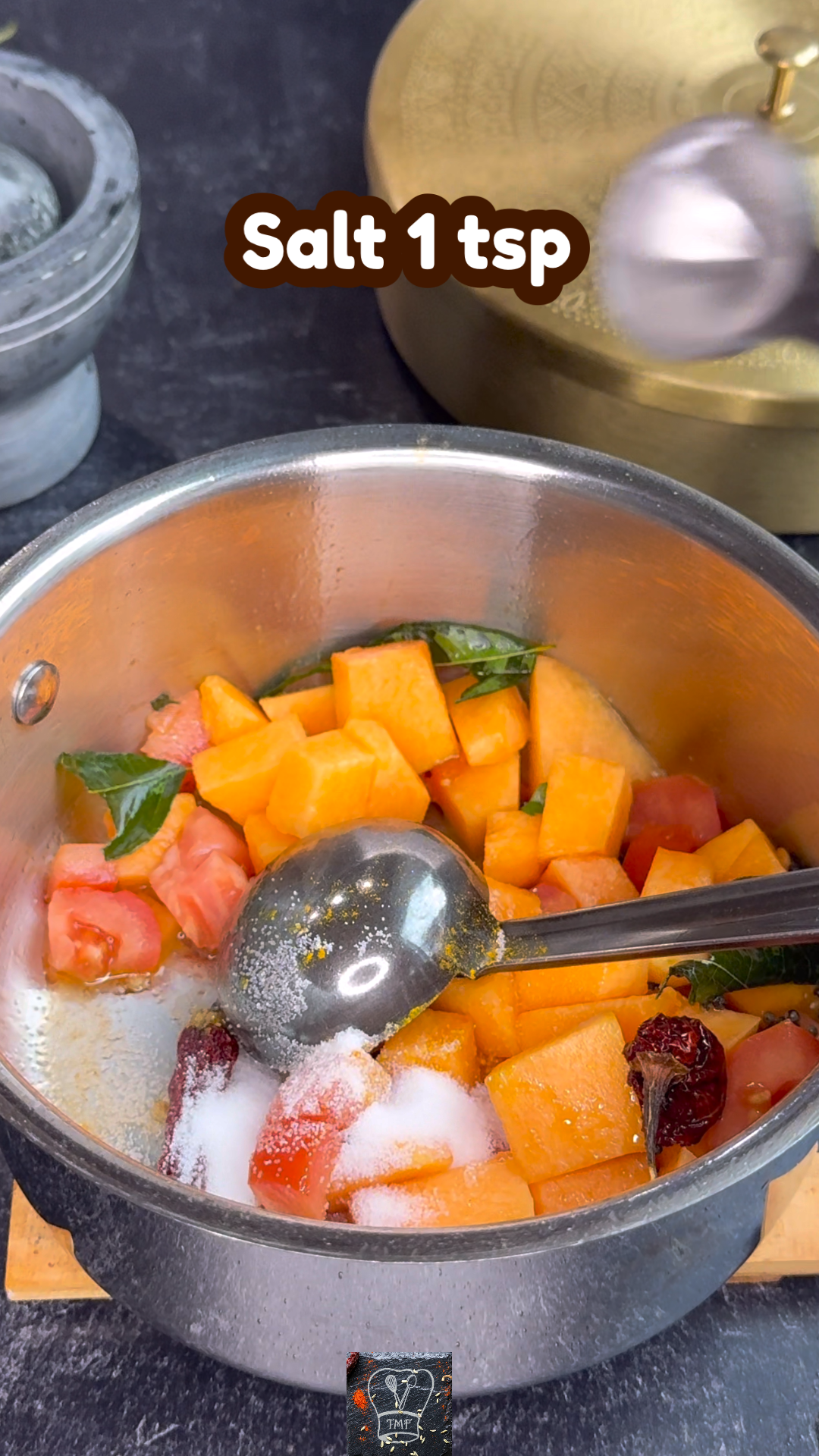
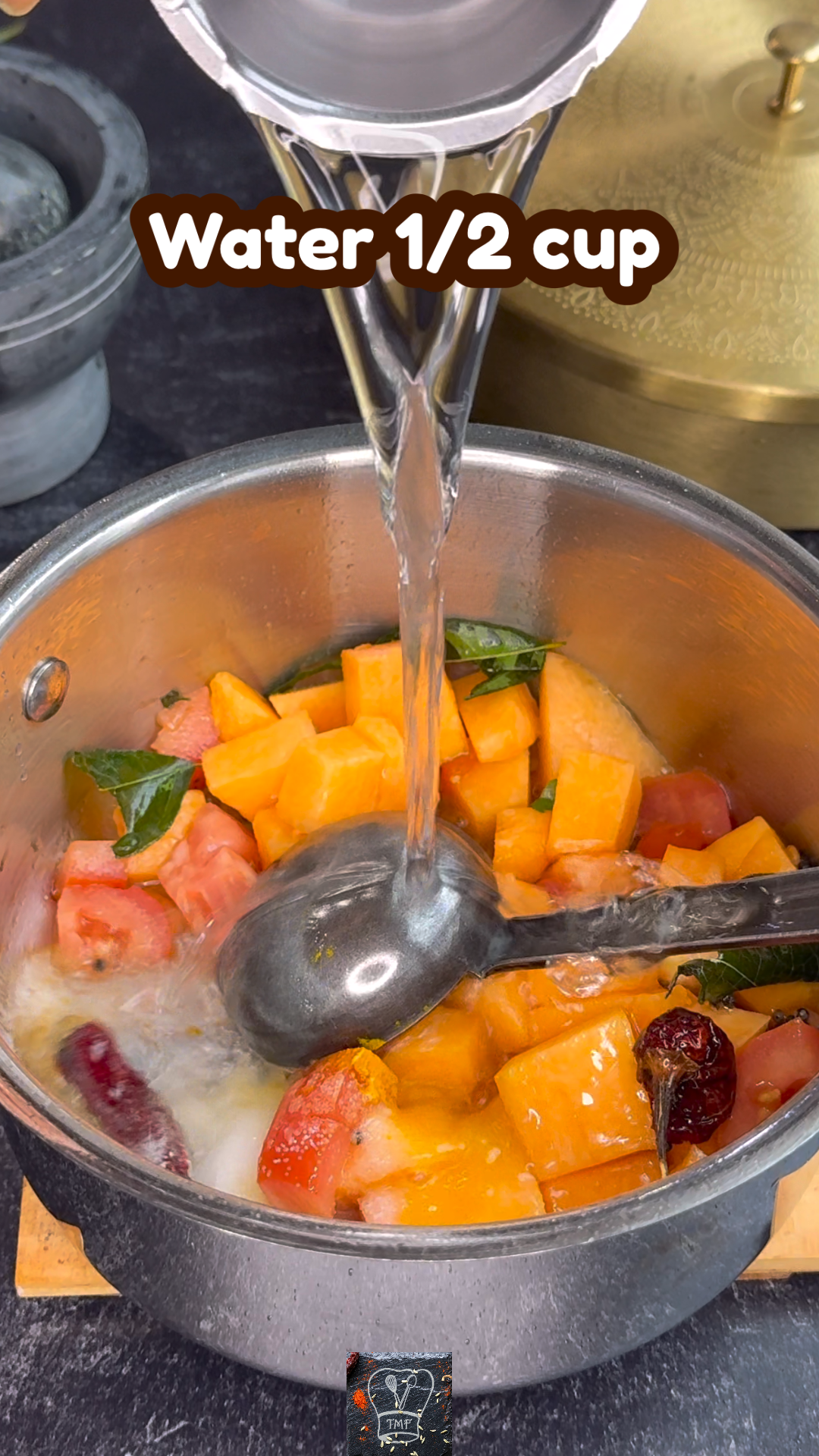
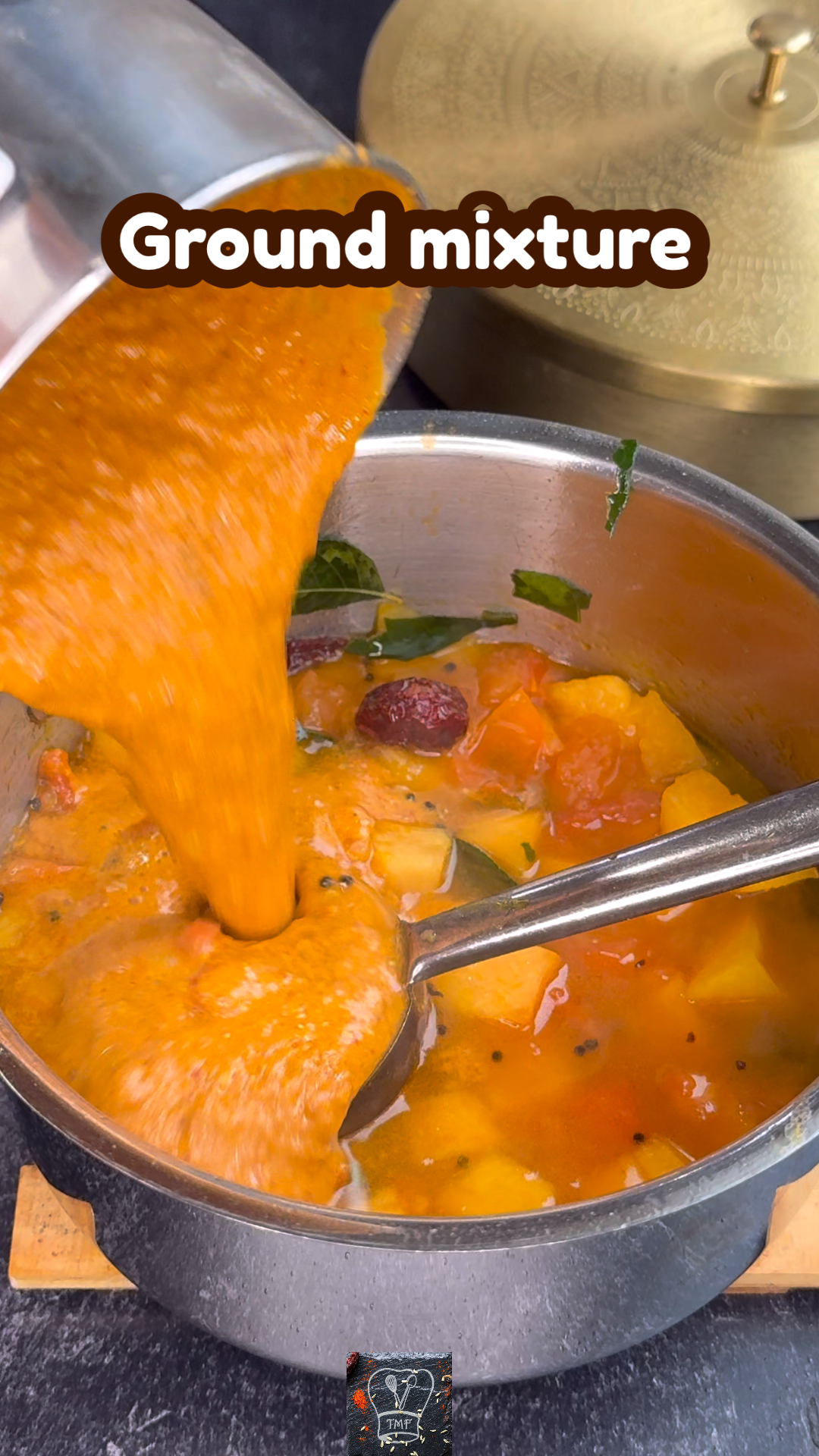
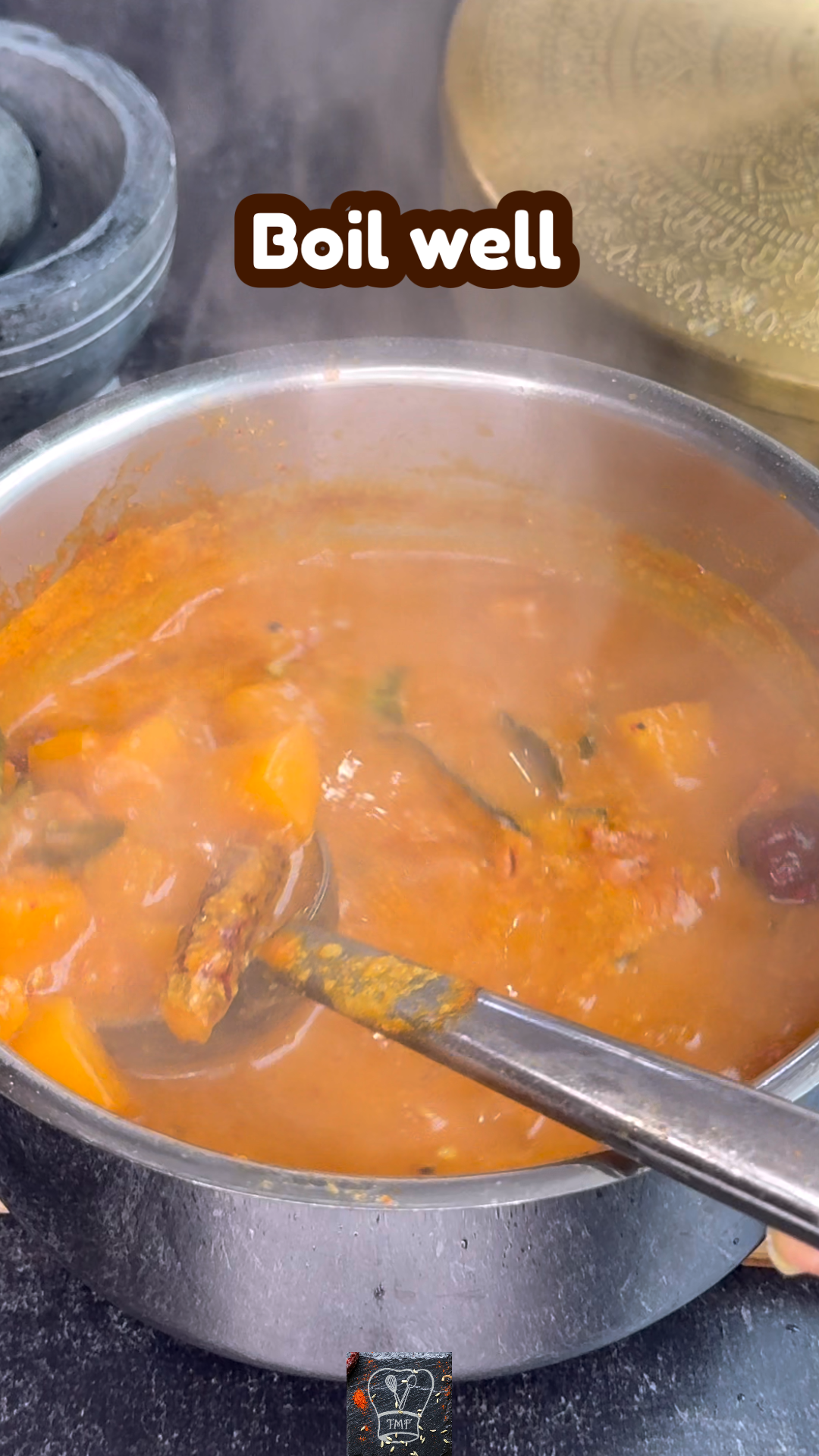
- Furthermore, add the ground mixture and more water if needed; boil well until the raw smell goes off, and the pumpkin is cooked
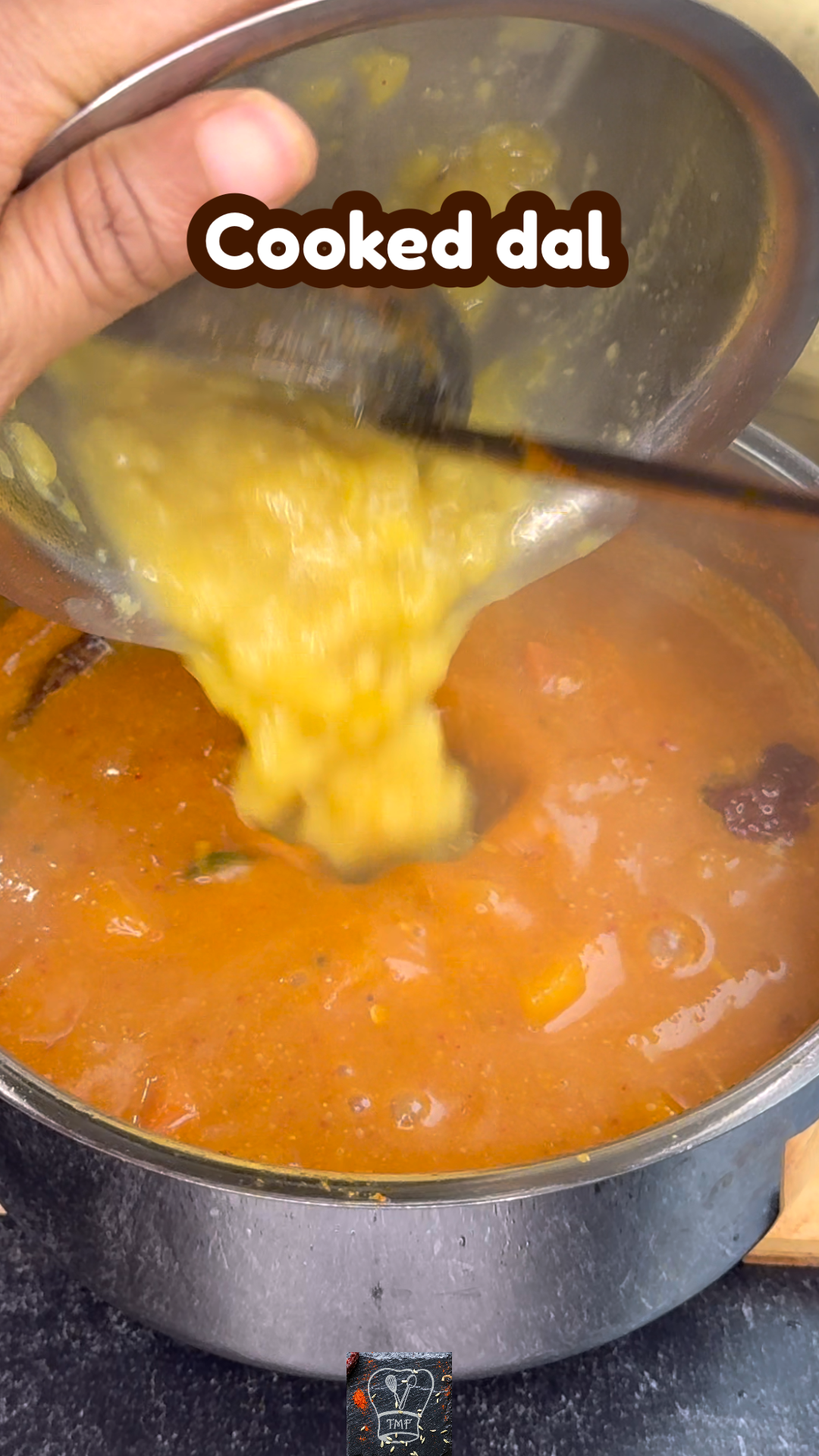
- ️ Add the cooked dal and bring to a rolling boil
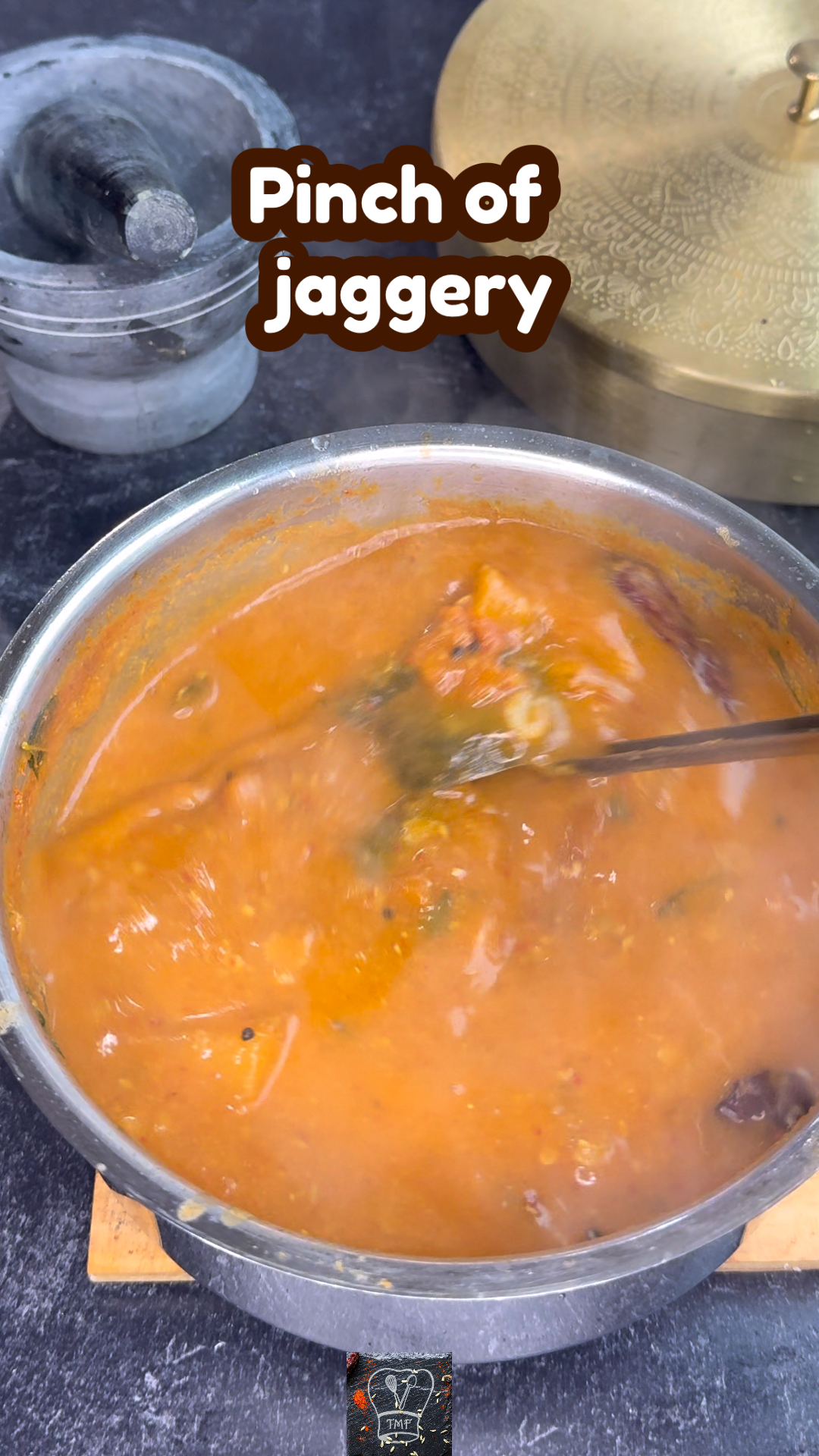
- f️inally Add jaggery and switch off the stove

Ingredients
Pressure cook
- 1/4 cup toor dal
- 1 cup water
- Pinch of turmeric powder
Sambar masala
- 1/2 teaspoon peanut oil
- 1 tablespoon coriander seeds
- 1 teaspoon urad dal
- 1 teaspoon chana dal
- 4 –5 red chilli
- 1/4 teaspoon fenugreek seeds
- 1/2 teaspoon cumin seeds
- 2 1/2 tablespoons coconut
- Small gooseberry-size tamarind
Temper
- 1 tablespoon oil
- 1/2 teaspoon mustard seeds
- 2 red chilli
- Asafoetida
- Curry leaves
Sambar
- 2 cups pumpkin
- 1/4 cup tomato
- Water as needed
- Salt as required
- 1/4 teaspoon turmeric powder
- Little jaggery
Instructions
- Firstly, wash and soak the dal for 30 minutes
- ️ Add a pinch of turmeric powder and pressure cook for 4 whistles; let the pressure release naturally
- ️ Heat oil and roast coriander seeds, chana dal, urad dal, cumin seeds, red chilli, and fenugreek seeds until aromatic and the color changes
- ️ Add coconut and tamarind; sauté until the coconut turns dry and slightly changes color
- ️ Turn off the stove, add water, and let it cool
- ️ Grind into a smooth sambar masala
- ️ Heat oil in a pan and splutter mustard seeds
- ️ Add red chilli, curry leaves, asafoetida, tomatoes, pumpkin, turmeric powder, salt, and water; boil for 4 minutes
- Furthermore, add the ground mixture and more water if needed; boil well until the raw smell goes off, and the pumpkin is cooked
- ️ Add the cooked dal and bring to a rolling boil
- f️inally Add jaggery and switch off the stove
Video
Tasty sambar recipe, recommend everyone to try. Thanks Akka!
thank you so much. glad you liked it