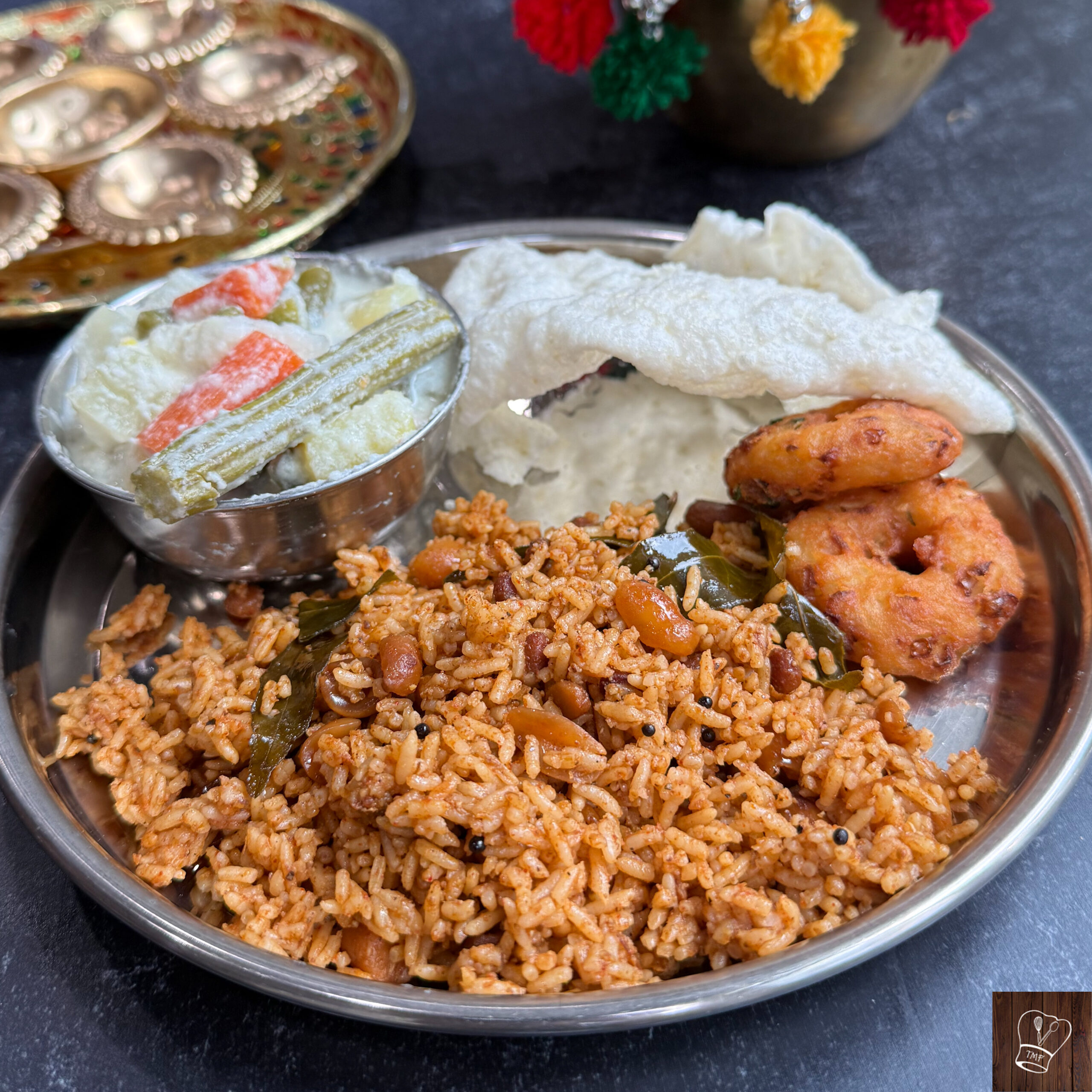
One pot Puliyodarai | Puli sadam
One pot Puliyodarai | Puli sadam |Pressure cooker Puliyodarai | One pot Tamarind rice
instant puliyogare | Instant puli Sadam | cooker tamarind rice with step-by-step pictures and video recipe. Check out the One pot Tamarind rice, and if you like the video pls SUBSCRIBE to my channel.
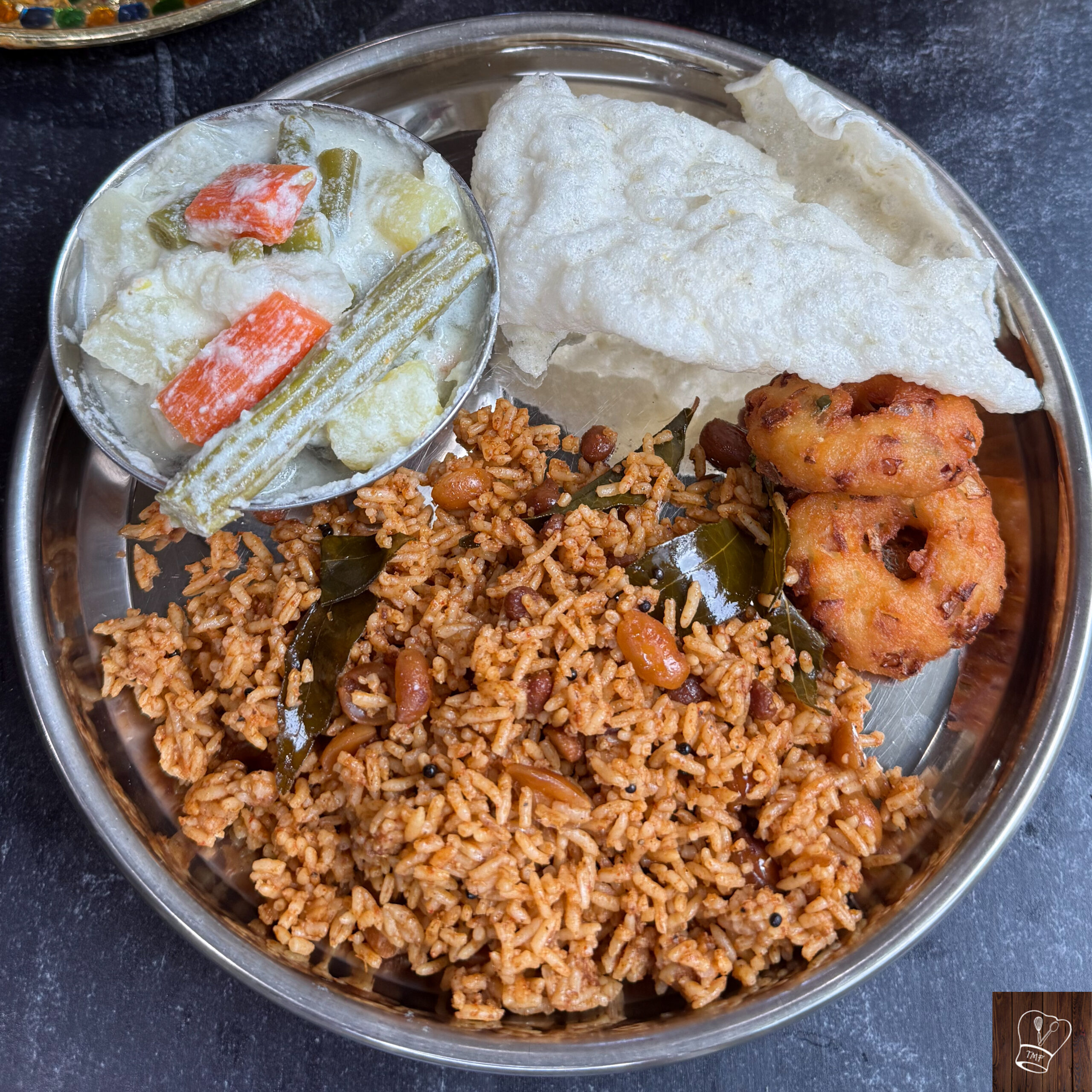
One pot of tamarind rice
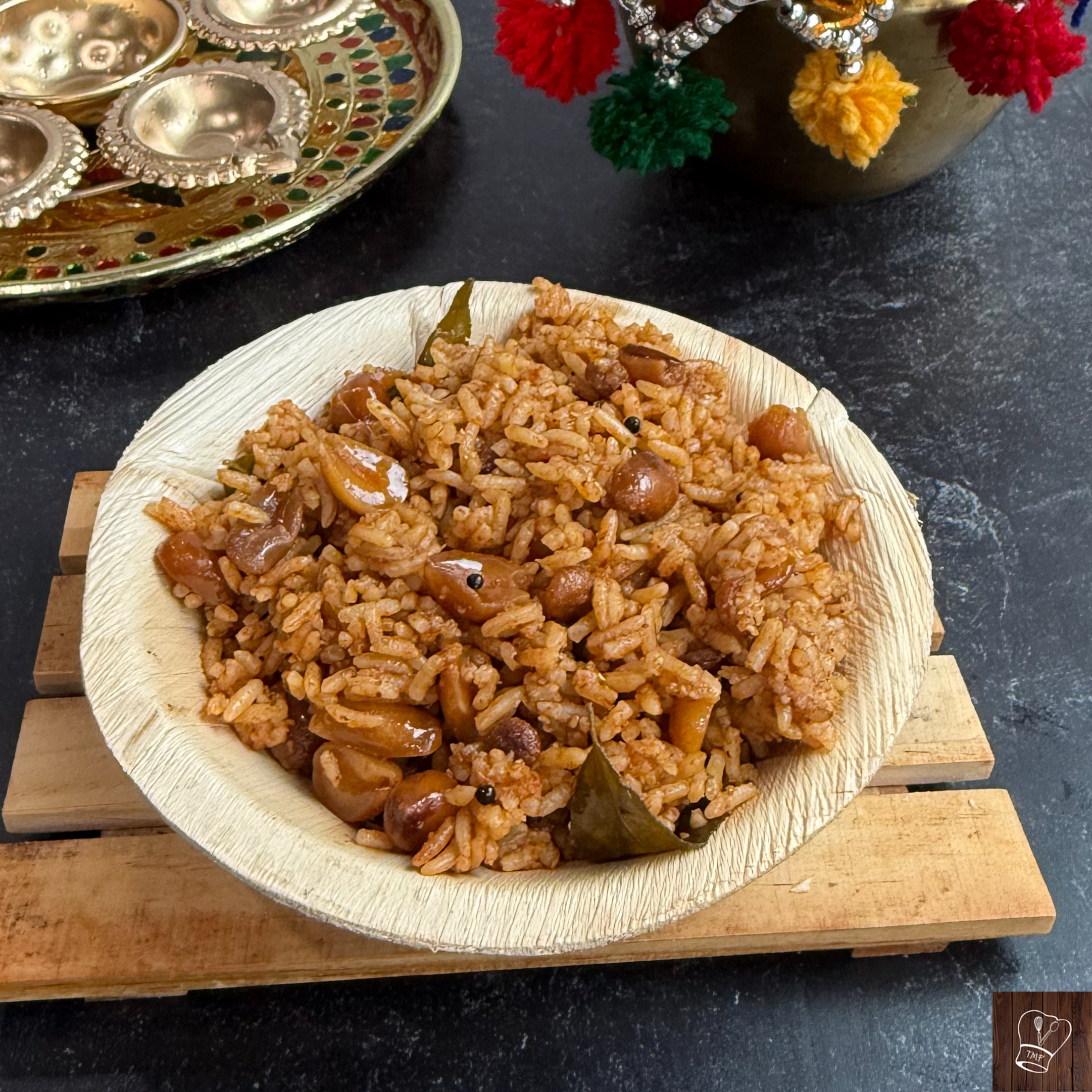
One‑pot Puliyodarai—also known as Puli Sadam or Tamarind Rice—is a classic South Indian dish loved for its bold, tangy flavor, aromatic spices, and comforting taste. Traditionally made with a separate tamarind paste, this simplified one‑pot pressure cooker version brings the same authentic temple‑style Puliyodarai with minimal effort. Perfect for busy days, lunchboxes, or festive offerings, this recipe delivers rich flavor without the long cooking process. Whether you’re a beginner or an experienced cook, this one‑pot method guarantees perfectly flavored tamarind rice every time.
What is Puliyodarai or Puli Sadam?
Puliyodarai (Puli Sadam) is a traditional South Indian rice dish made with tamarind, spices, and roasted lentils. It’s known for its tangy, spicy, and slightly sweet flavor.
Can Puliyodarai be made in a pressure cooker?
Yes, the one‑pot pressure cooker method is quick and convenient. The rice absorbs the tamarind and spice flavors beautifully while cooking together.
Which rice works best for Puliyodarai?
Short‑grain rice like sona masoori is ideal, but you can also use ponni rice or basmati with adjusted water ratios.
Is this recipe suitable for lunchboxes?
Absolutely. Puliyodarai stays fresh for hours and tastes even better as it rests, making it perfect for lunchboxes and travel.
Can I adjust the spice level?
Yes, you can increase or reduce red chilies or sambar powder based on your preference.
How long does one‑pot Puliyodarai stay fresh?
Rice stays for 2-3 days at room temperature. Avoid using your hands. Always pack after it is cool.
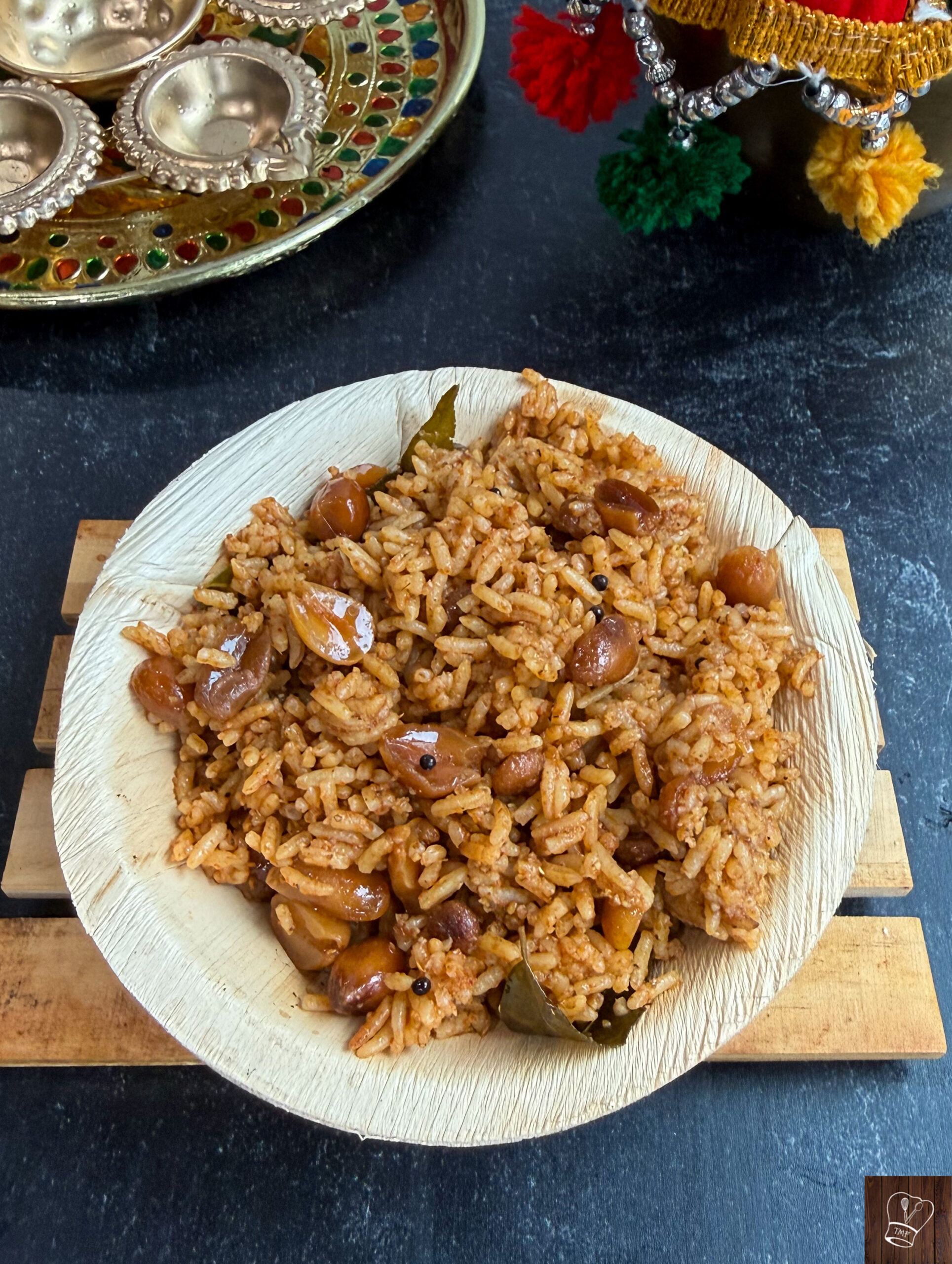
De-seed and soak
Always deseed, remove fiber, then soak tamarind in hot water. Adjust the amount of tamarind according to the sourness of the tamarind you use.
Rice for pressure cooker puli poondu sadham
I used sona masoori rice. You can use raw rice or any rice of your choice. Adjust water and soaking time accordingly.
Can I skip roasting and grinding
It is optional, but gives a good flavor to the rice.
Instant pot puliyodharai
Follow the same steps. Cook for 4 mins and do natural pressure release
Oil for puli sadaam
Sesame oil goes well with tamarind flavor and also helps with shelf life.
Side dish for tamarind rice
Varuval, vadam, and curd-based dishes are my favorite sides.
How the mix of rice has less salt
Check the seasoning after opening the cooker. Add extra salt; cover for 15 minutes. Gently mix after that. Salt will be well incorporated
Pressure cooker recipes
Variety rice recipes
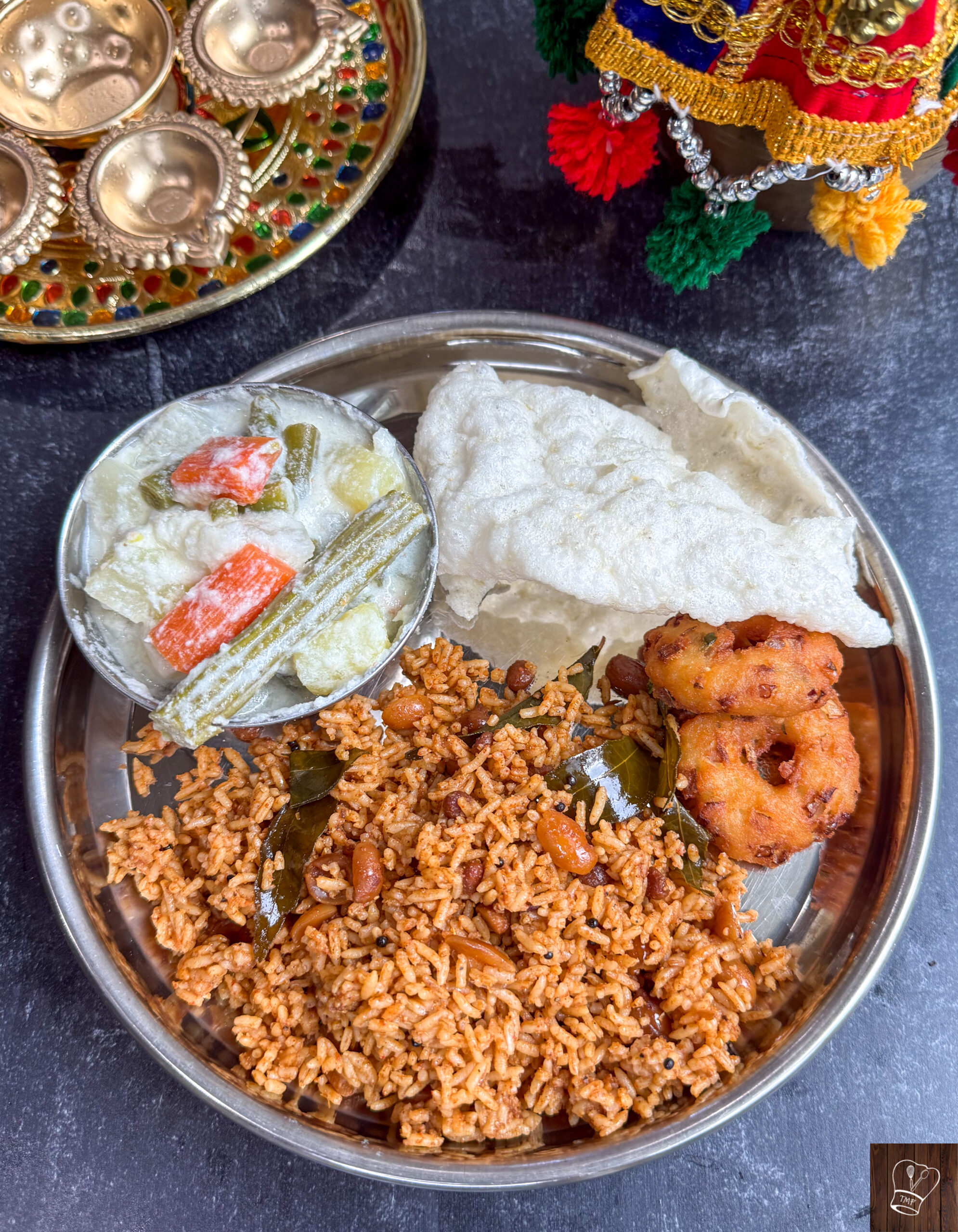
Ingredients
To soak
1 cup sona masoori or raw rice
Water
to soak the Tamarind extract
20 g tamarind
1 cup hot water
Roast and grind
1/2 tbsp sesame seeds
1 tsp cumin seeds
1/2 tsp pepper
1/4 tsp fenugreek seeds
1 tbsp coriander seeds
For tempering
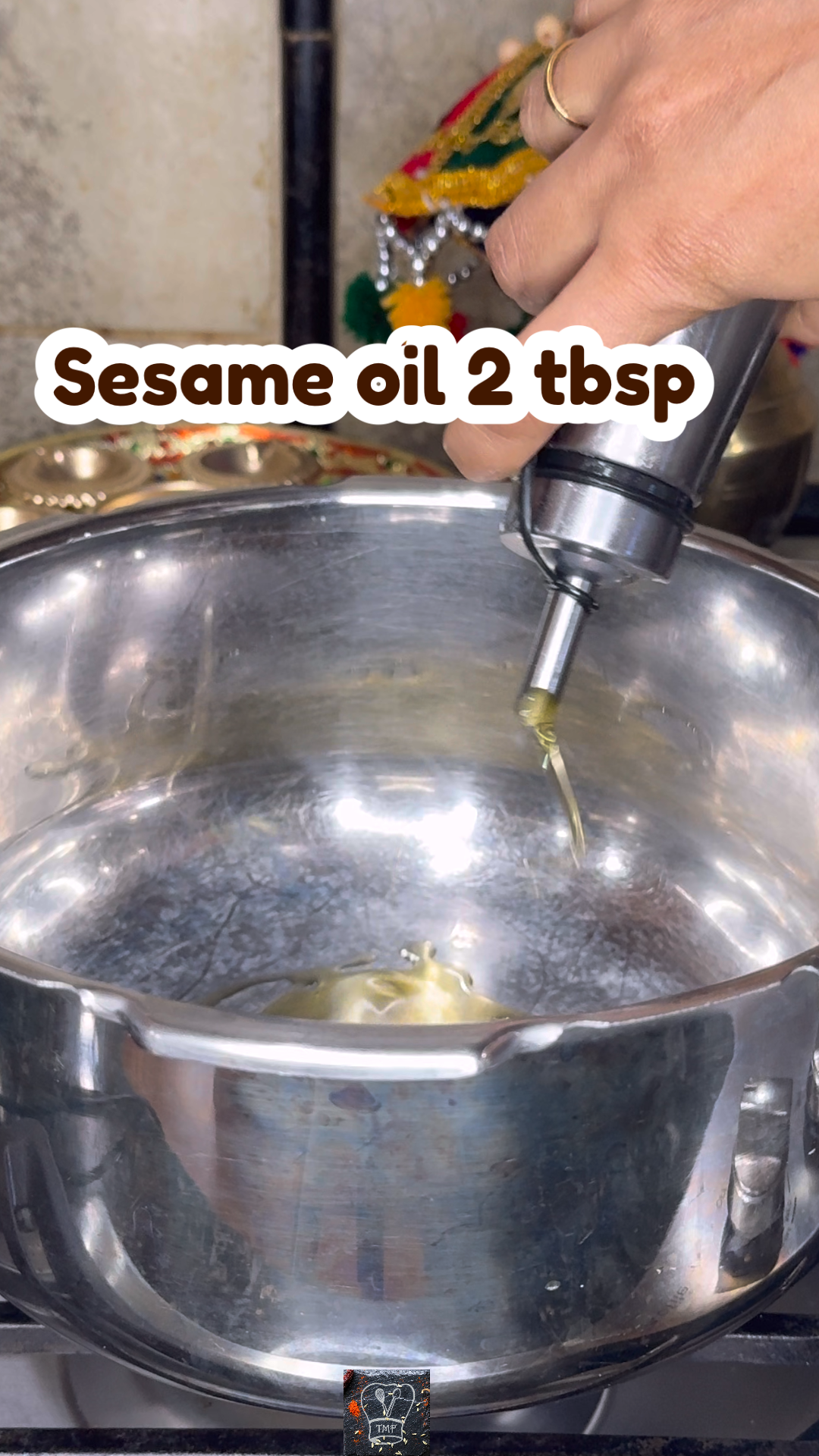
2 tbsp sesame oil
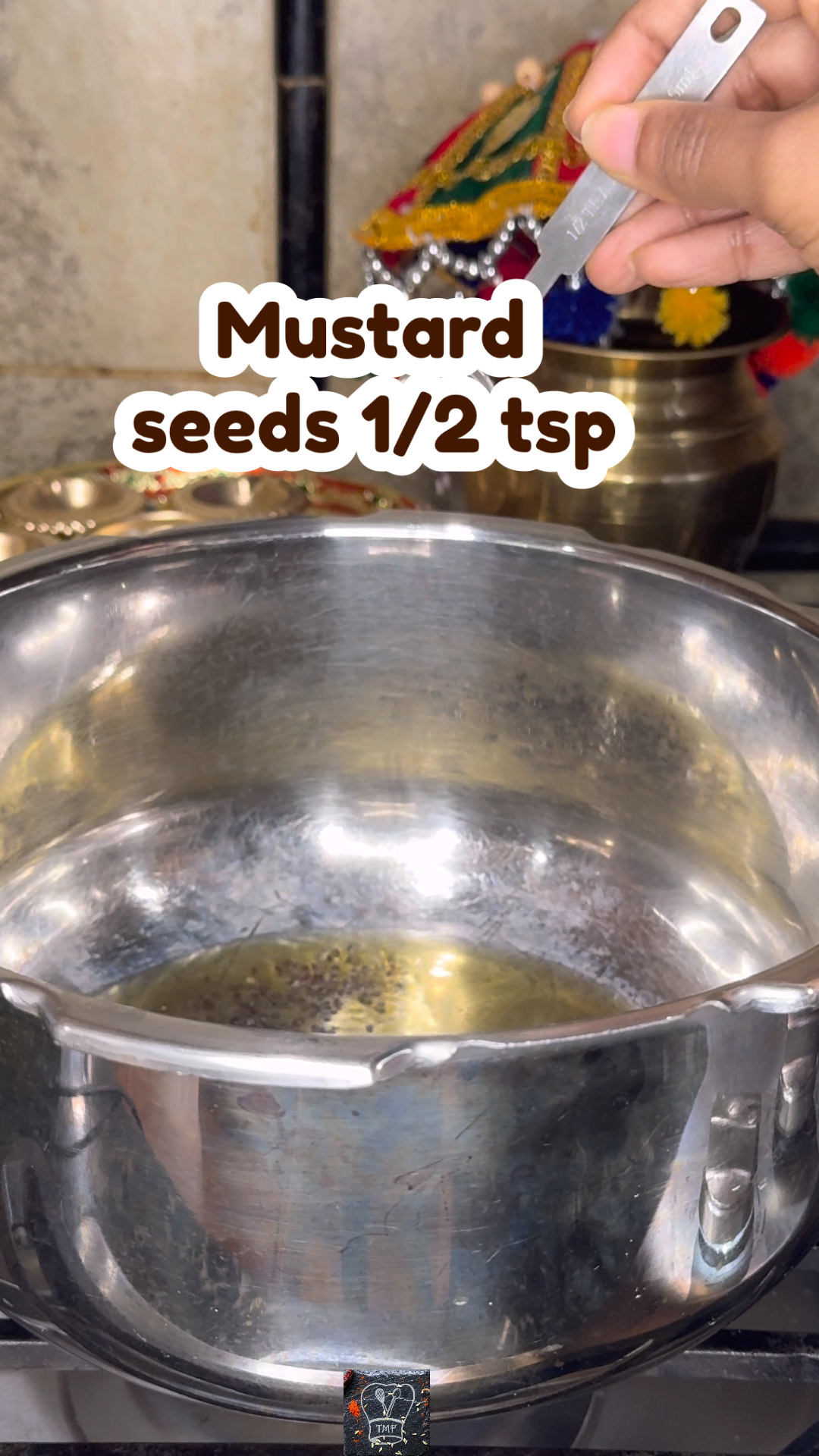
1/2 tsp mustard seeds
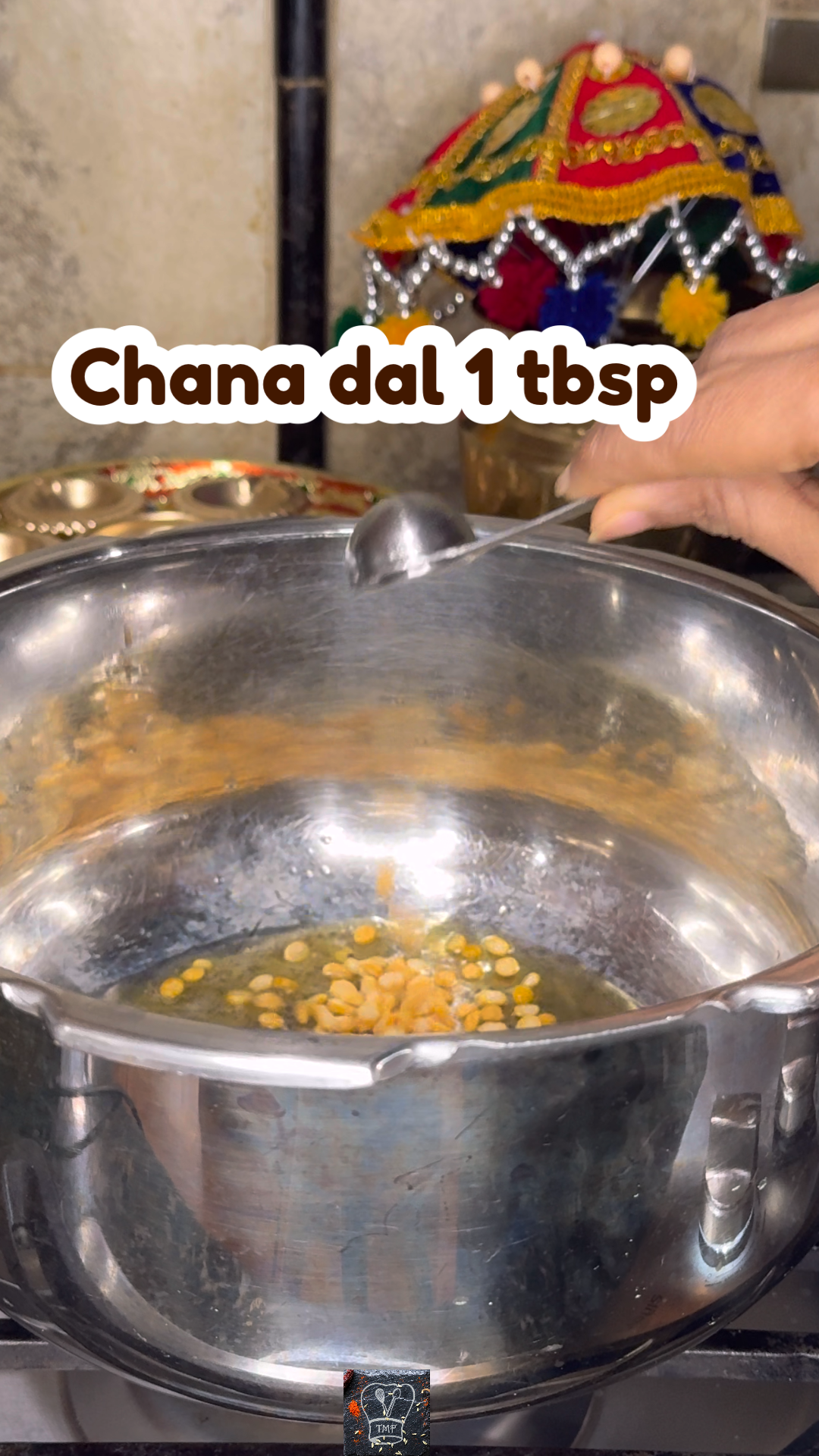
1 tbsp chana dal
2 red chilli
A few curry leaves
Pinch of asafoetida
Handful of roasted peanuts
Tamarind rice
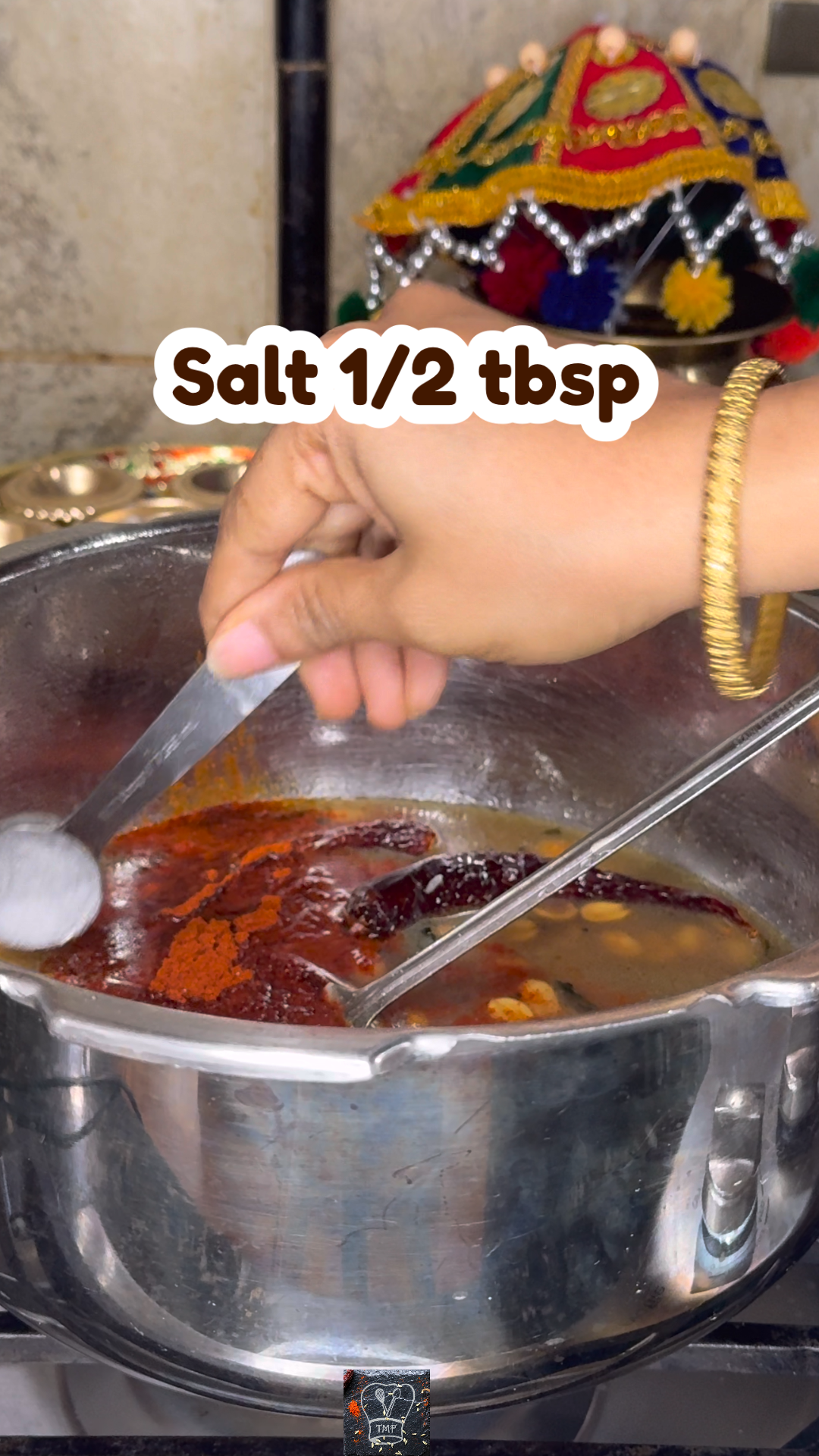
1/2 tbsp salt
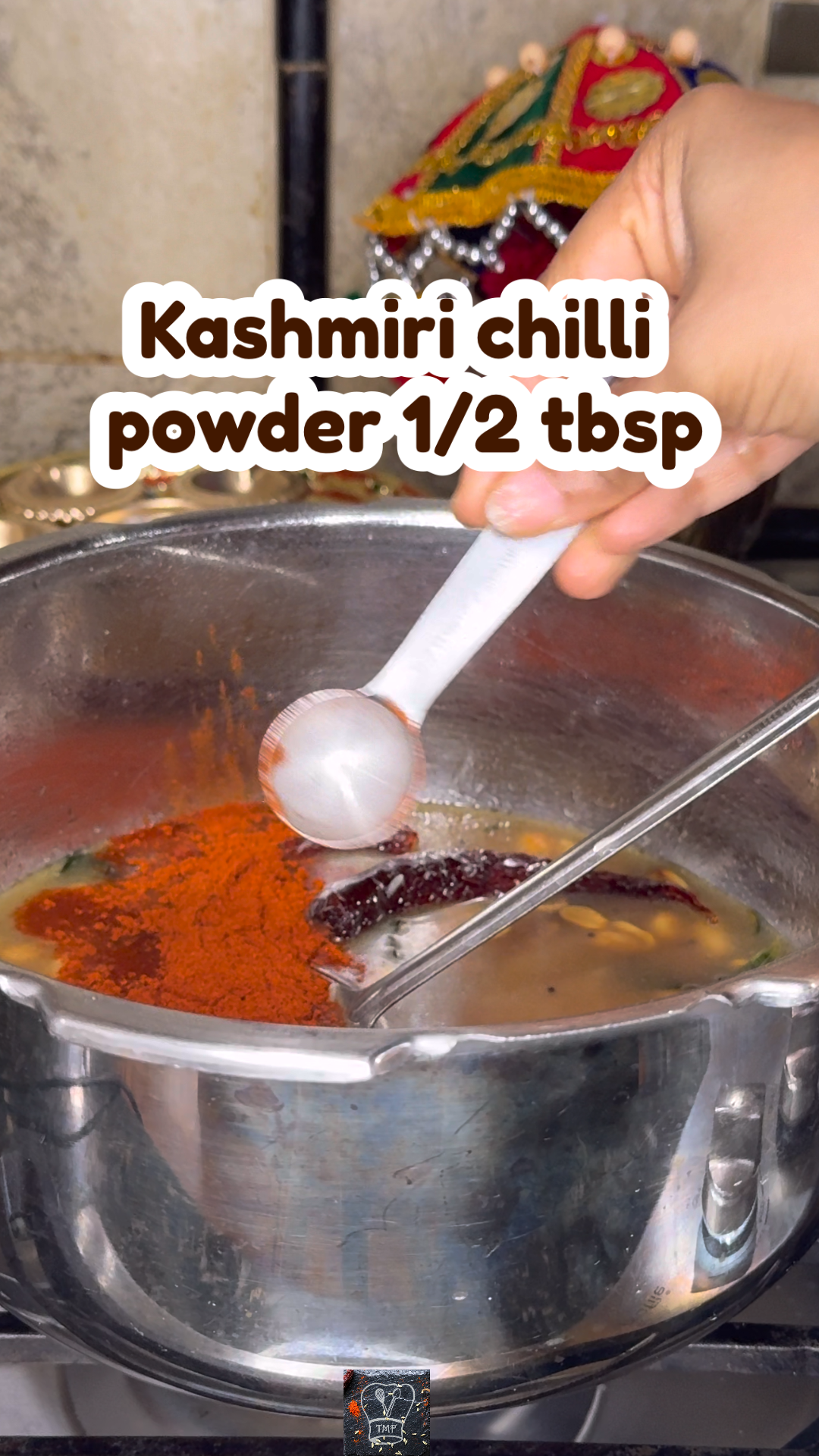
1/2 tbsp Kashmiri chilli powder
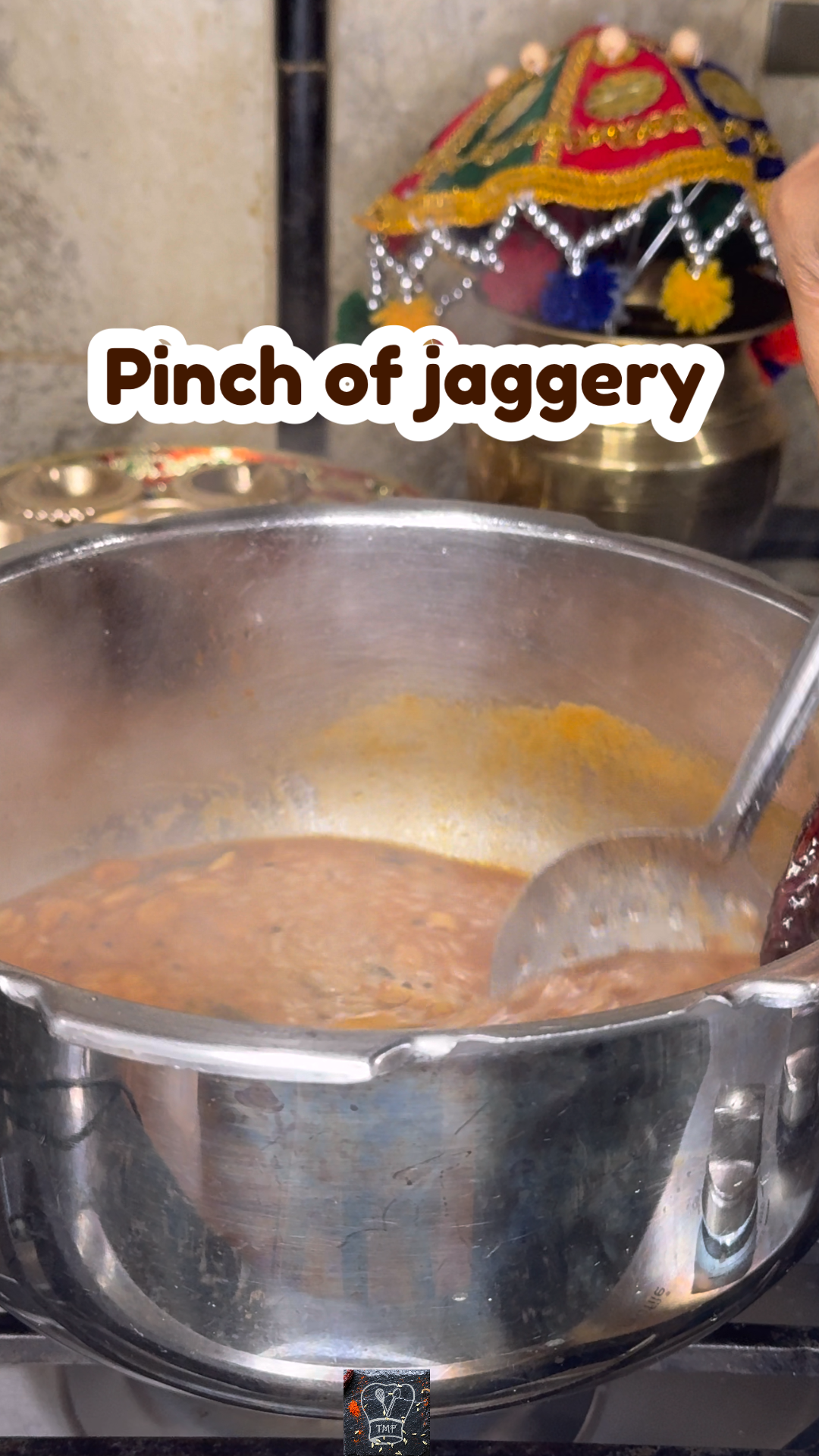
Pinch of jaggery
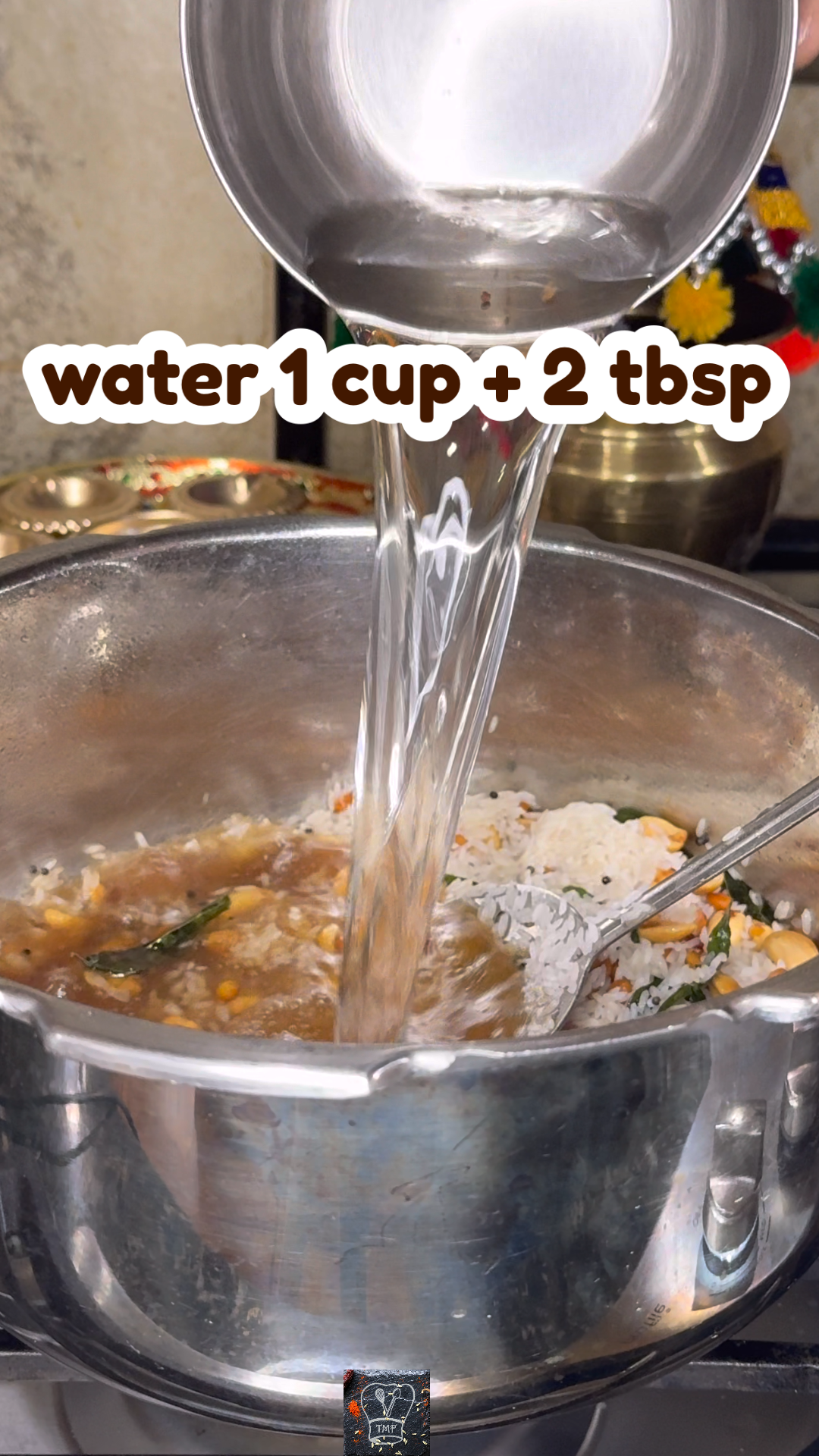
1 cup + 2 tbsp water
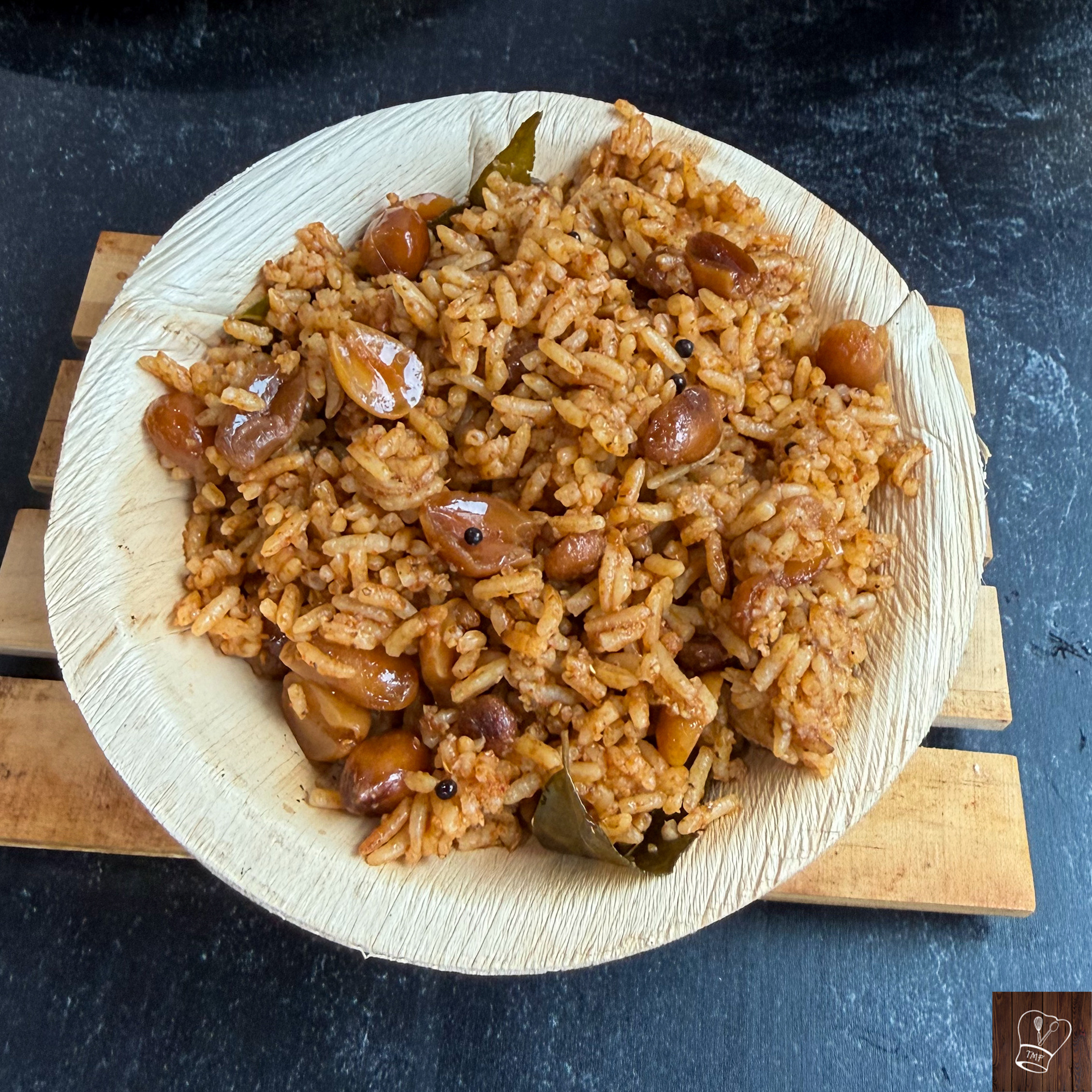
How to make one-pot puliyodarai with step-by-step pictures
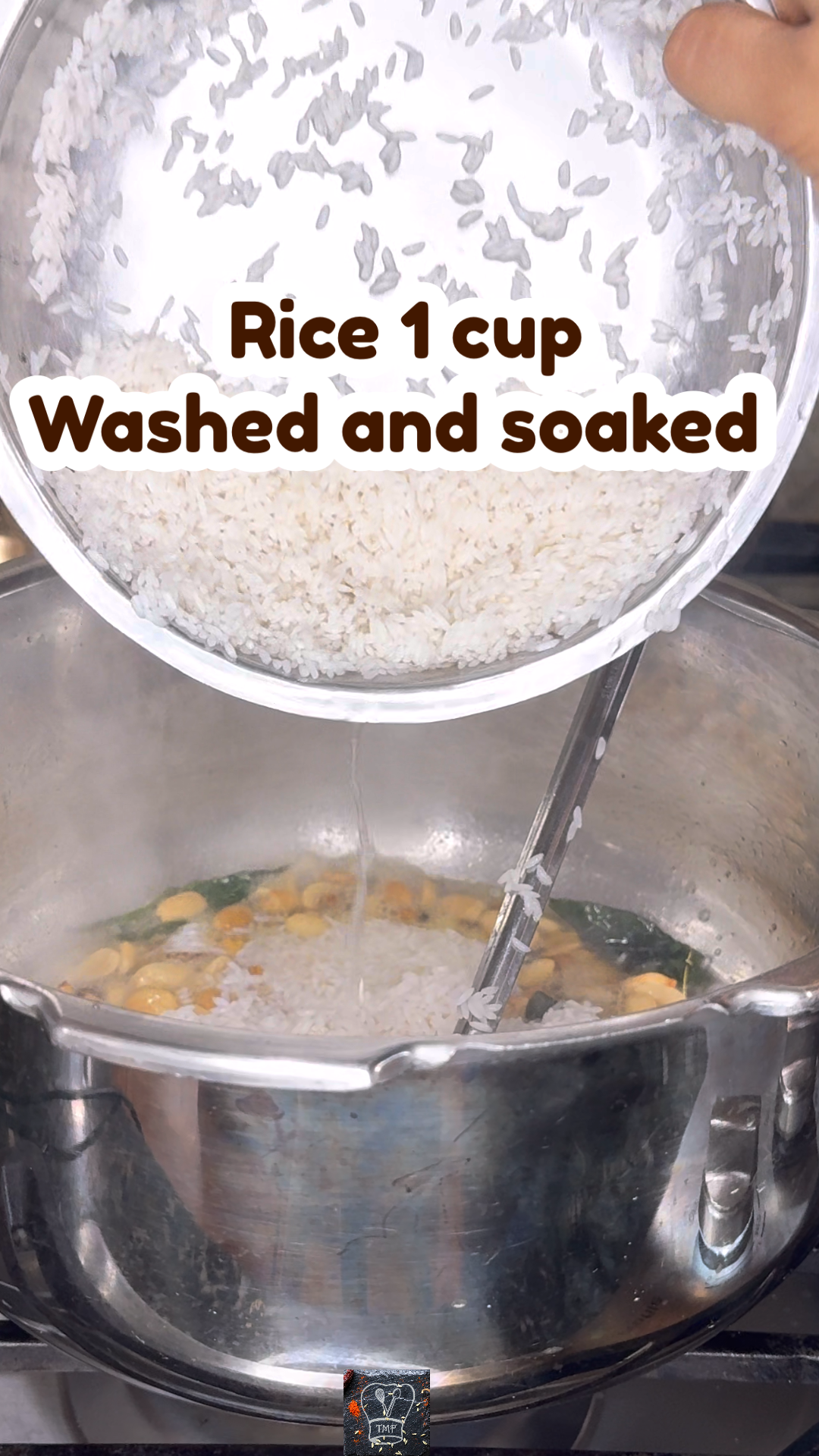
- Wash and soak the rice for 30 minutes
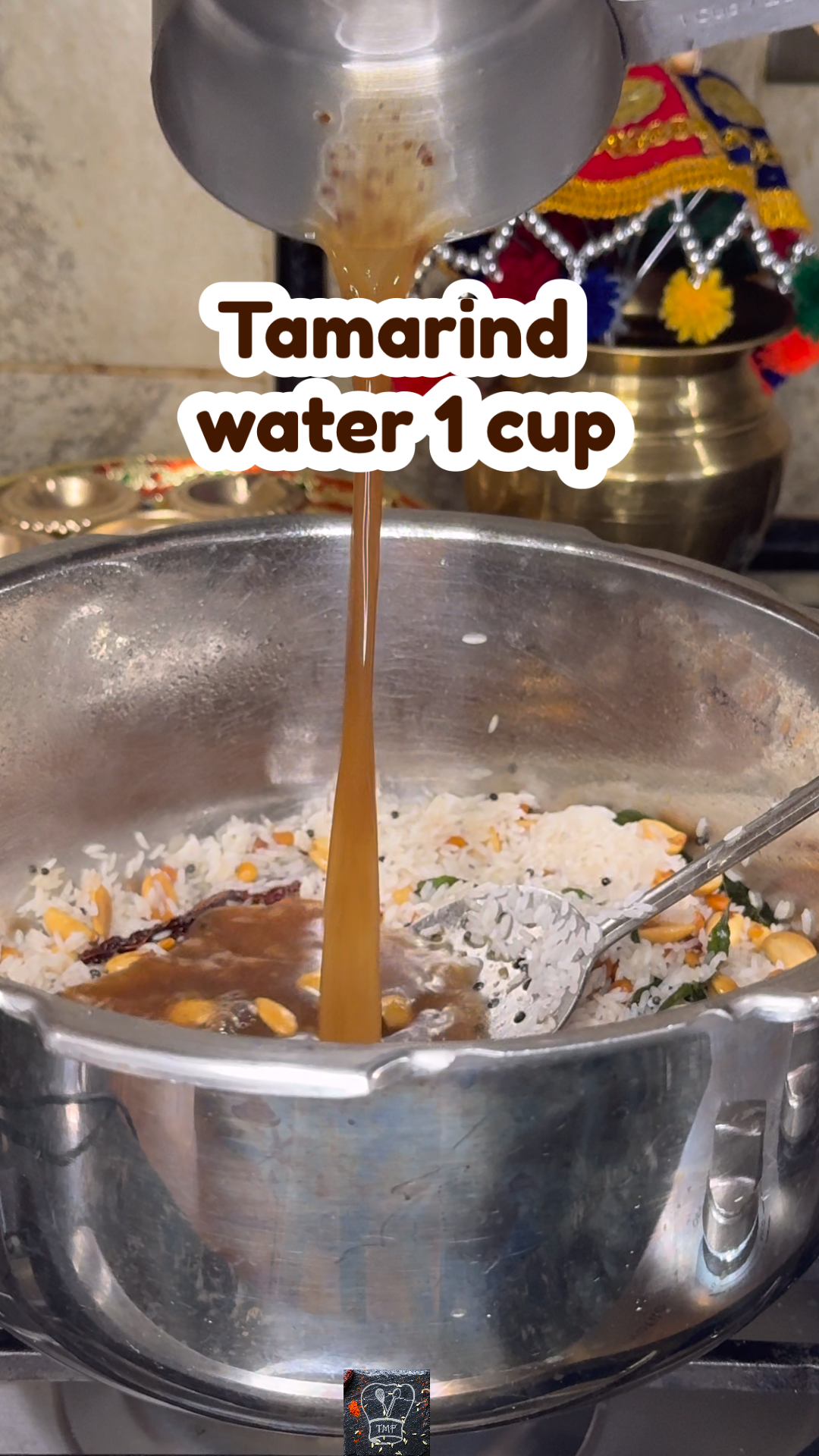
- ️ Soak tamarind in hot water for 20 minutes and extract the juice
- ️ Dry roast sesame seeds, pepper, fenugreek seeds, and coriander seeds till aromatic
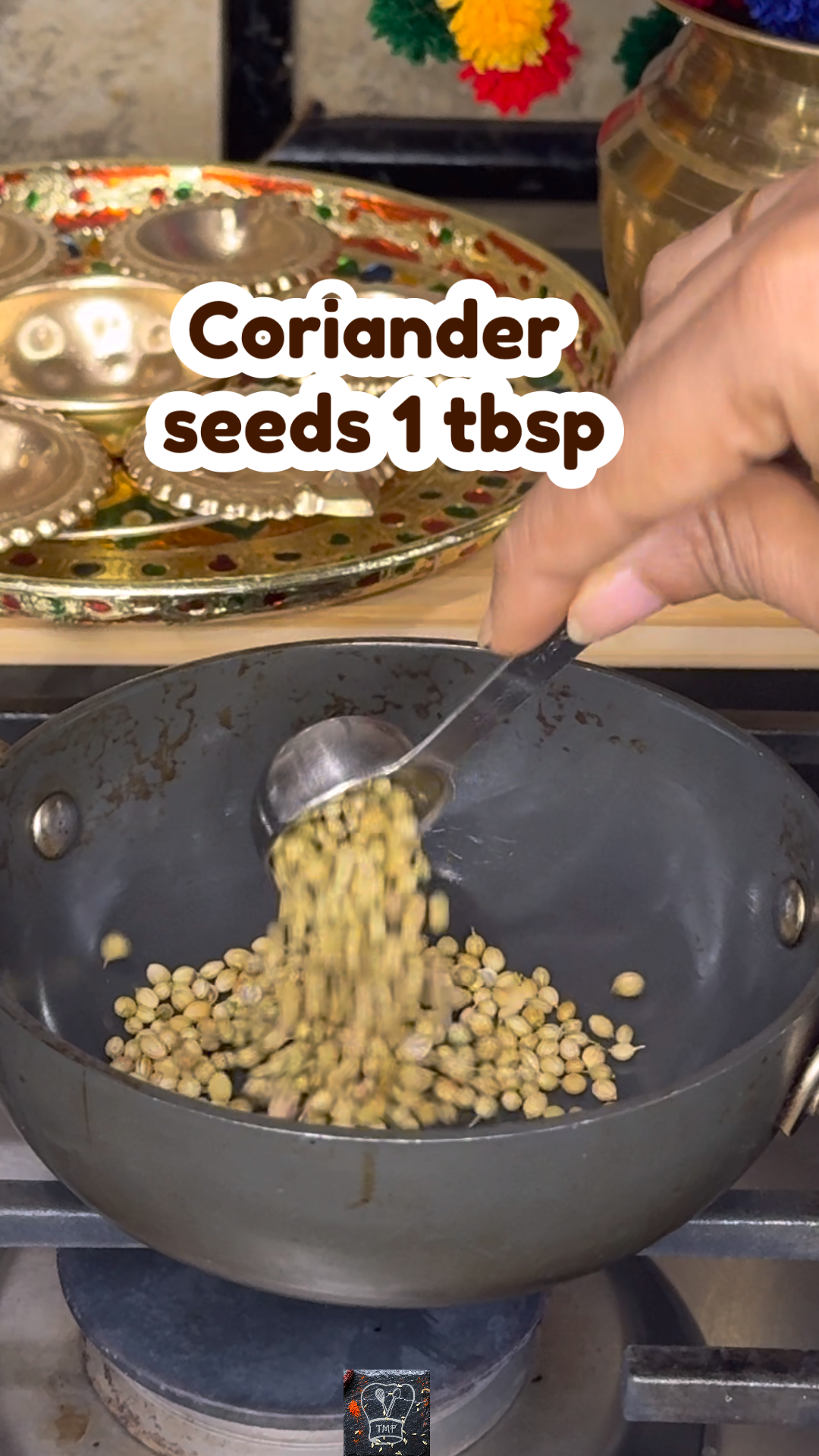
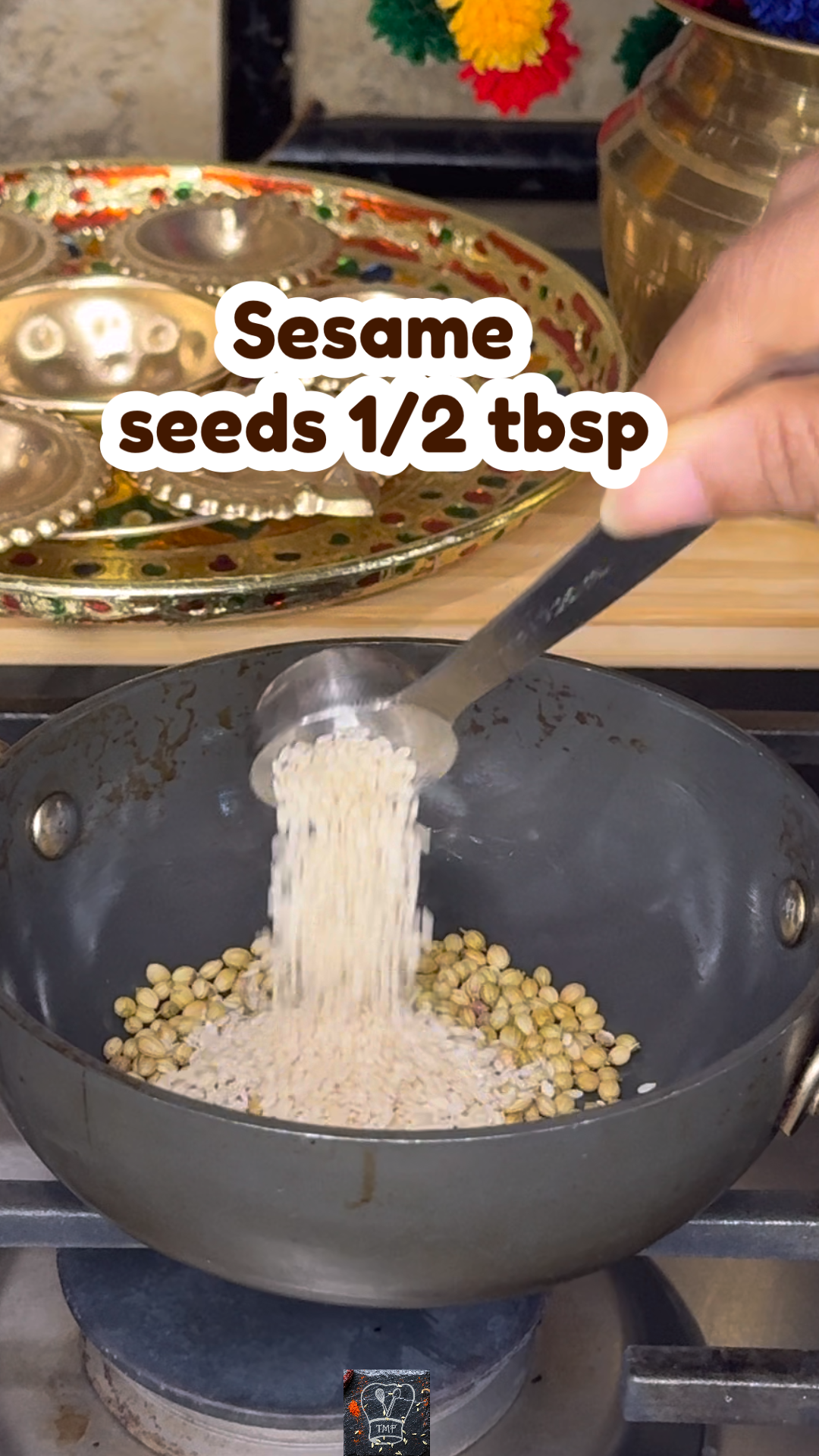
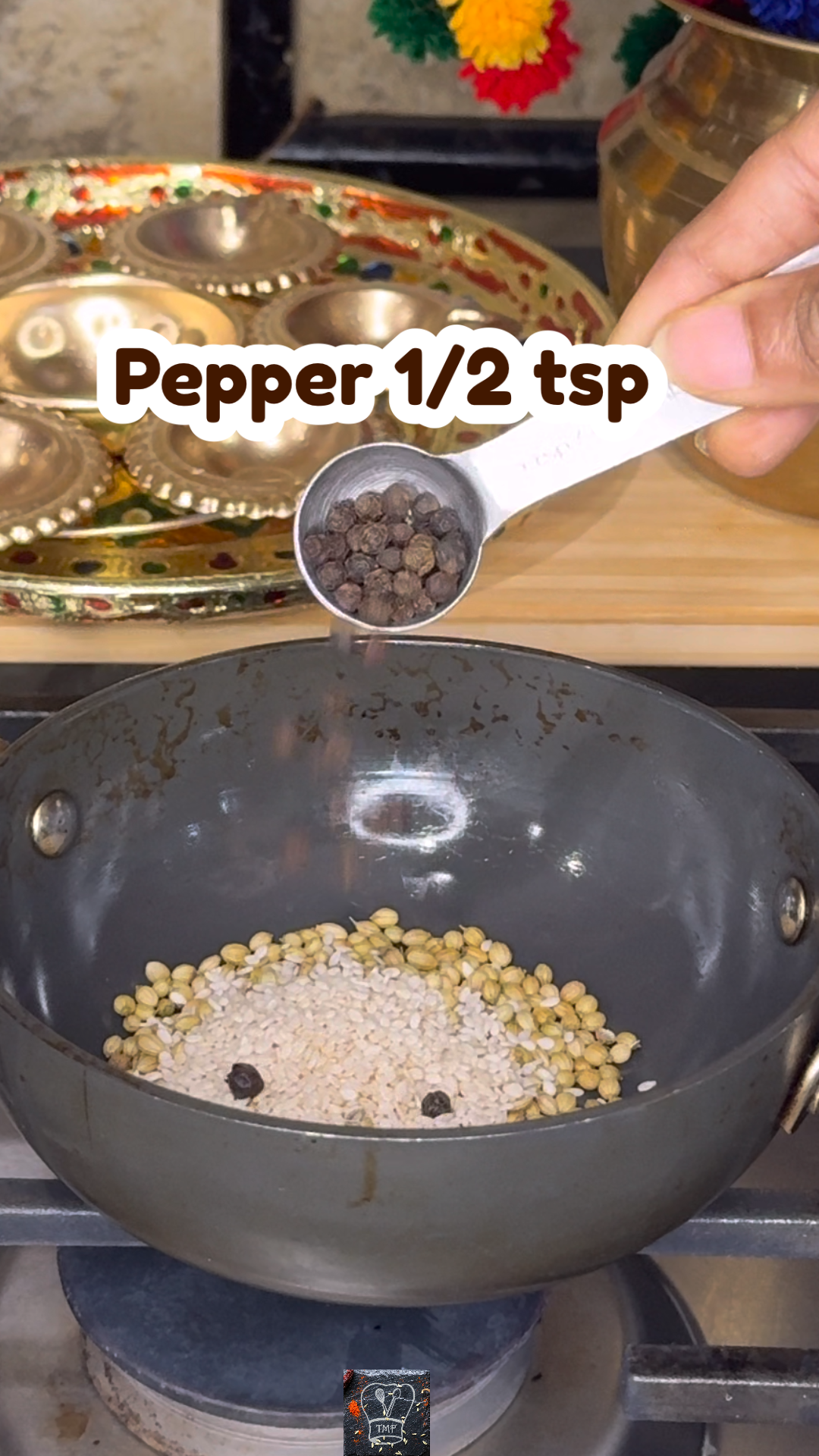
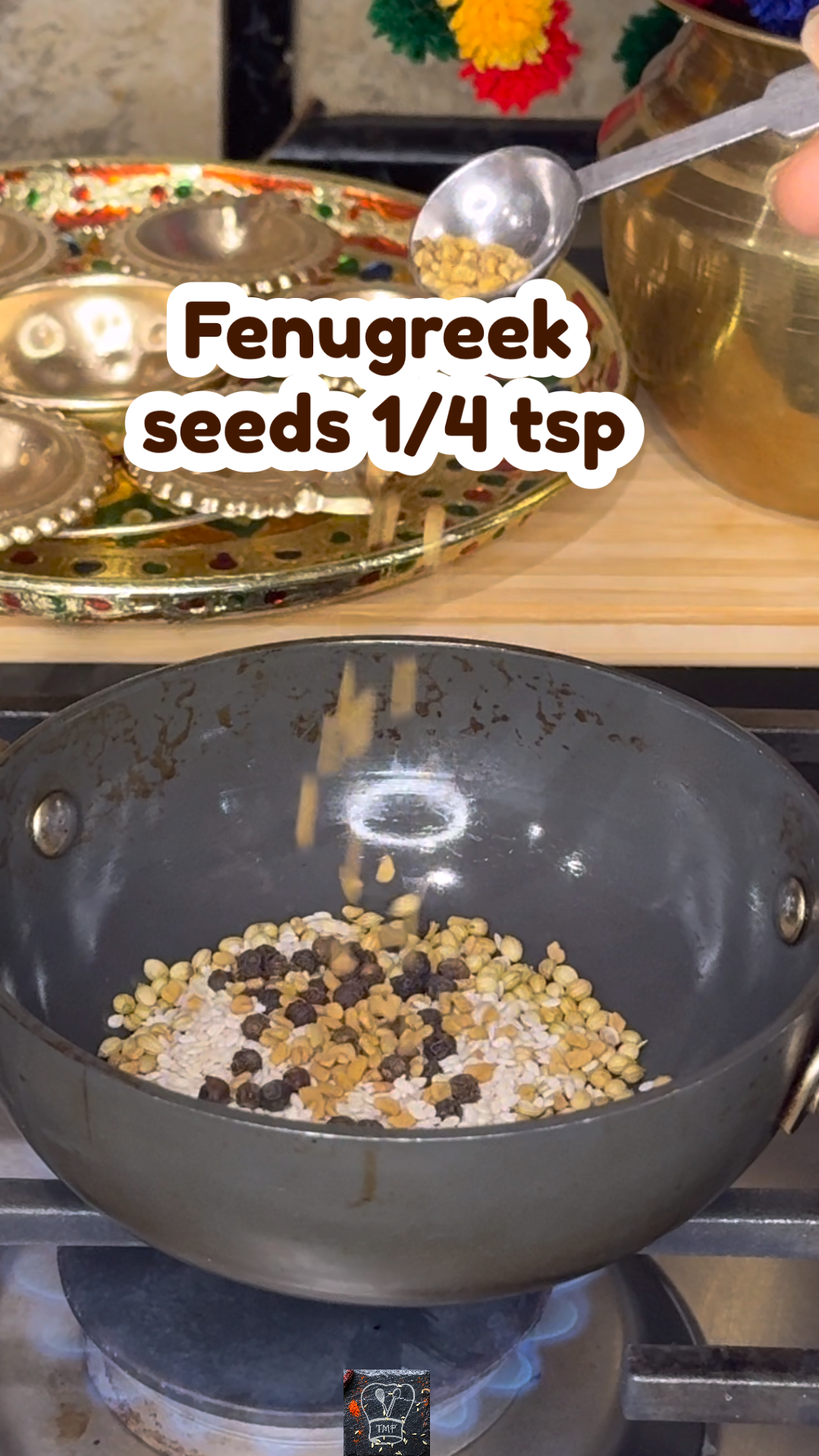
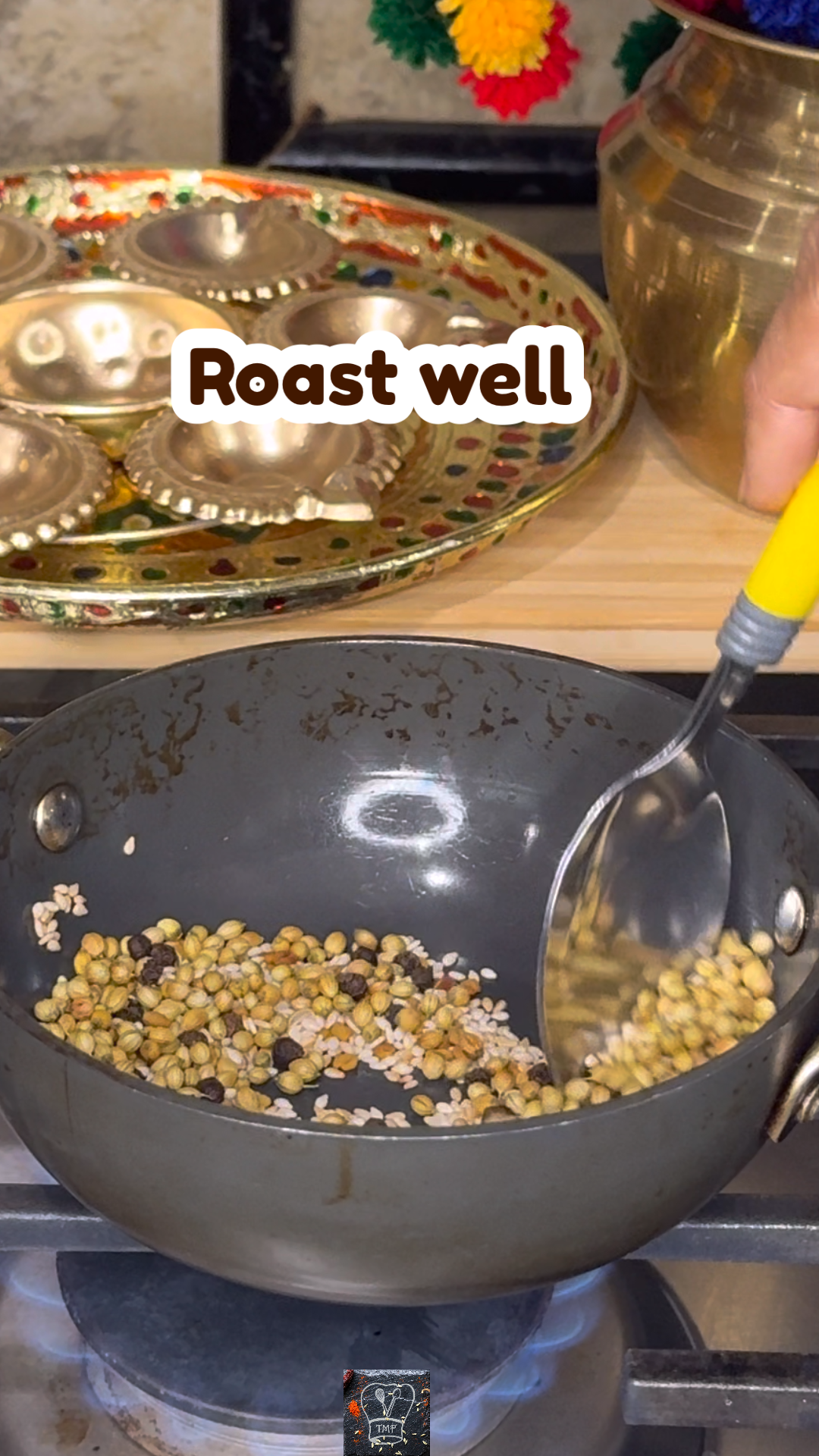
- ️ Add cumin seeds, mix quickly, switch off, cool, and grind to a fine powder
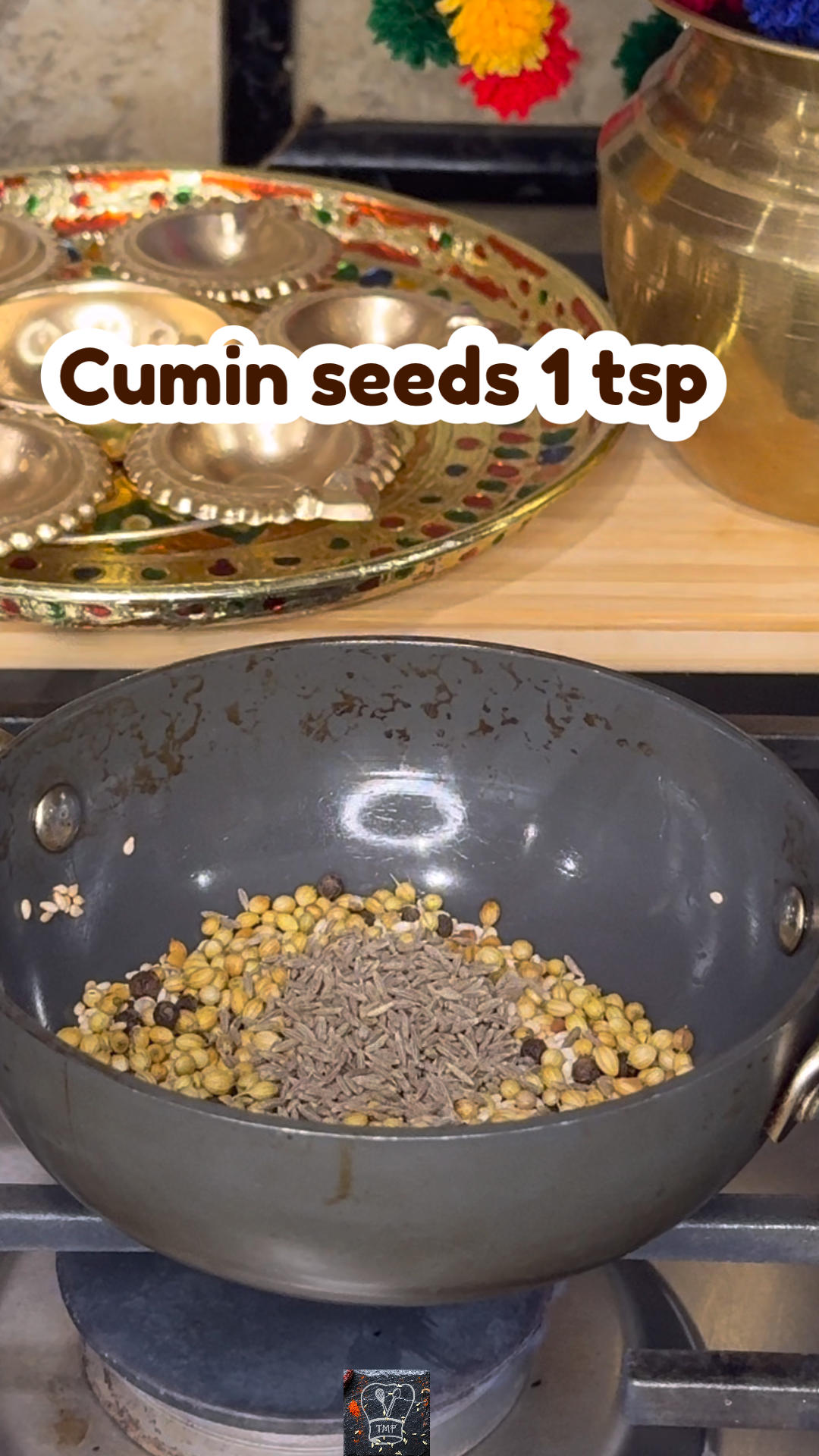
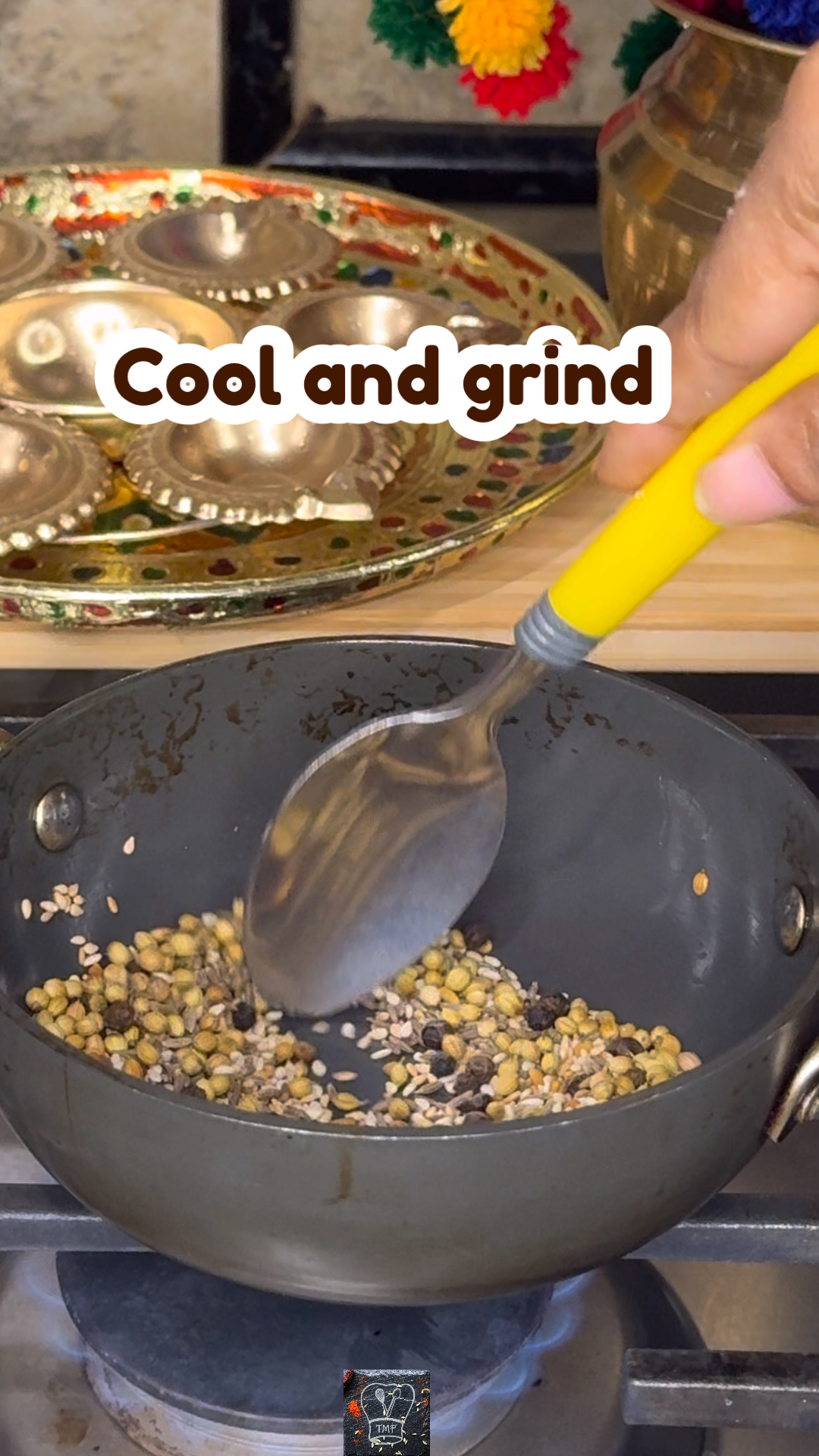
- ️ Heat sesame oil in a pressure cooker
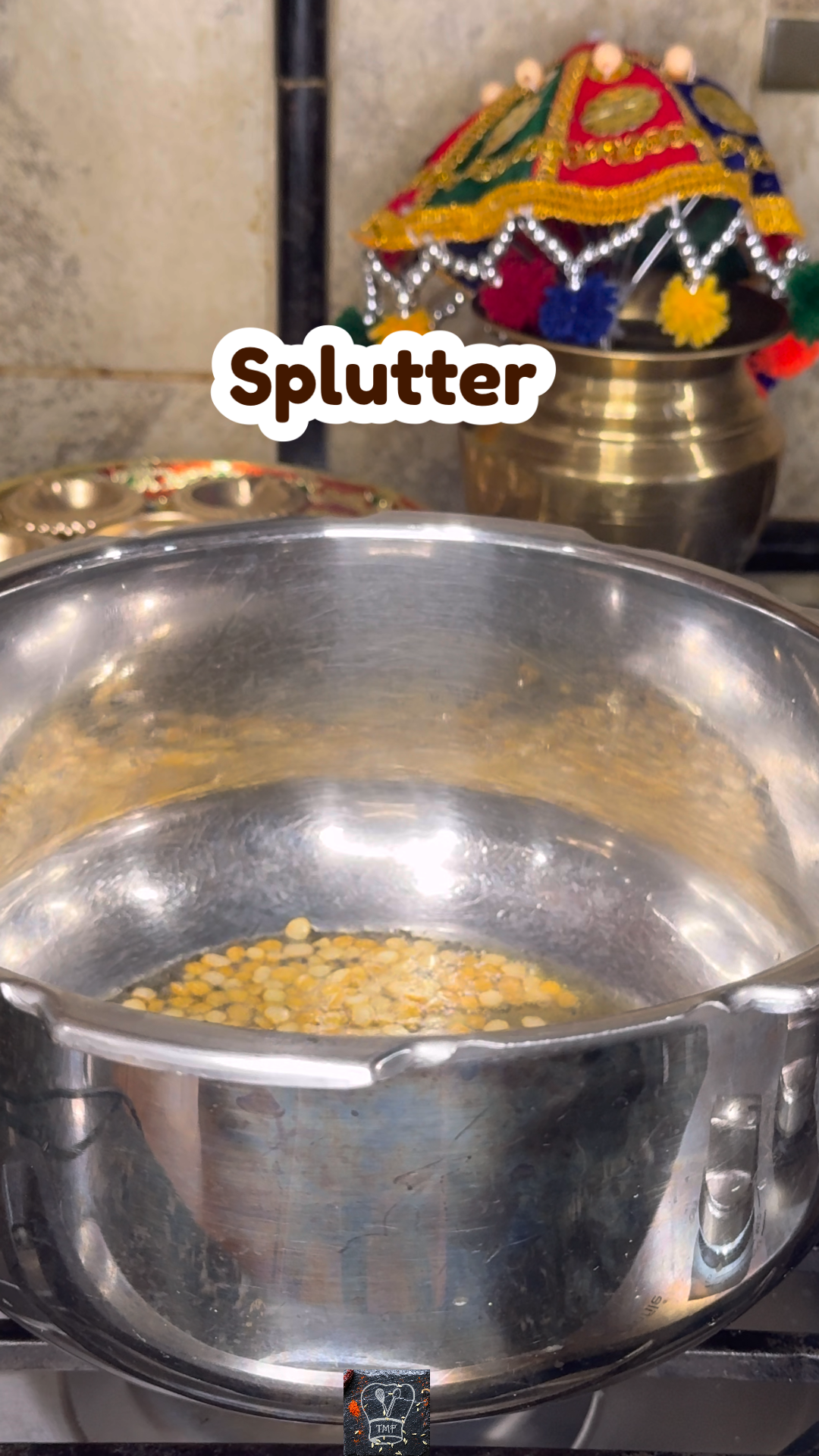
- ️ Add mustard seeds and chana dal, let them splutter
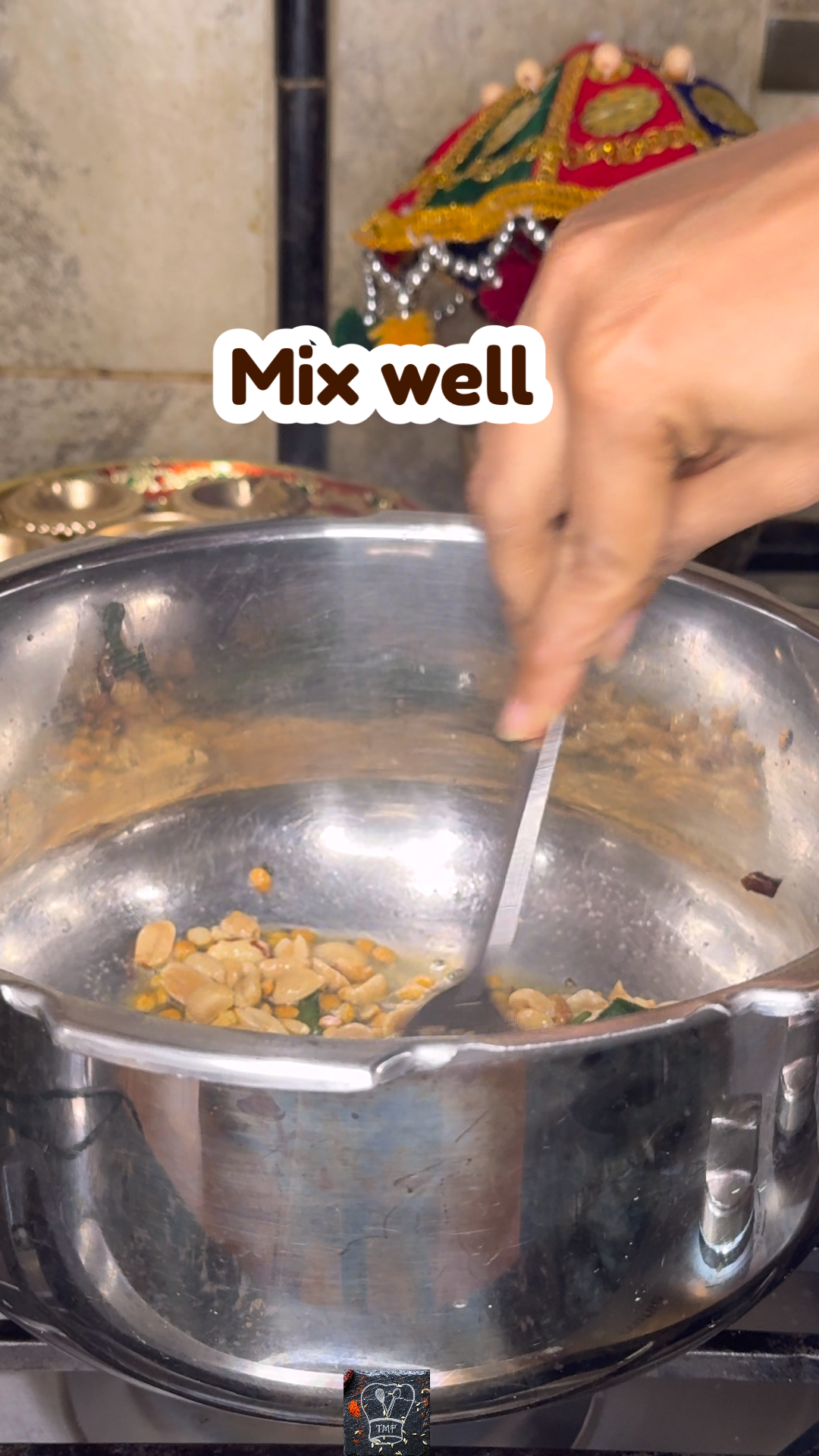
- ️ Add red chill, curry leaves, asafoetida, and roasted peanuts, quick mix
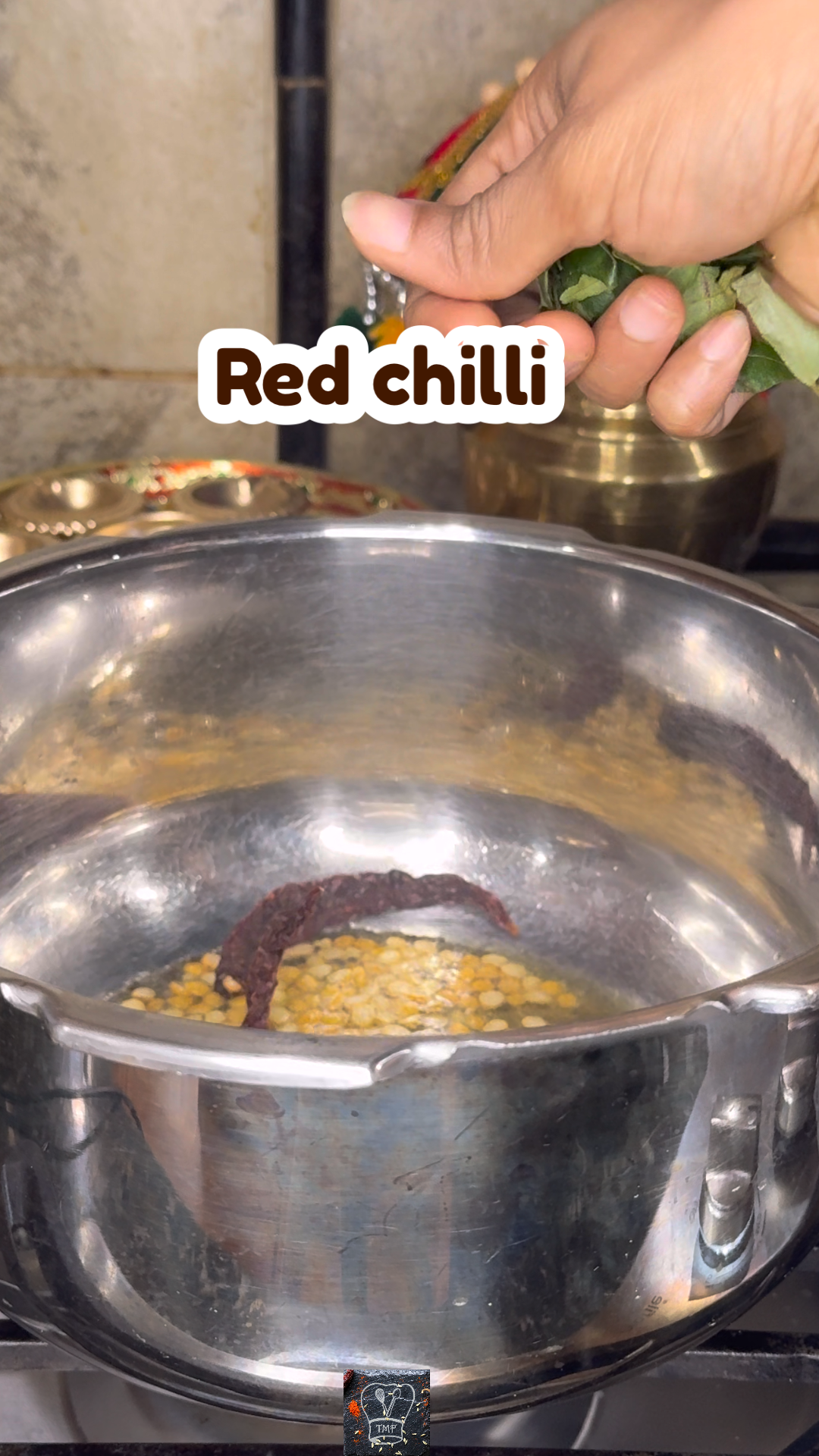
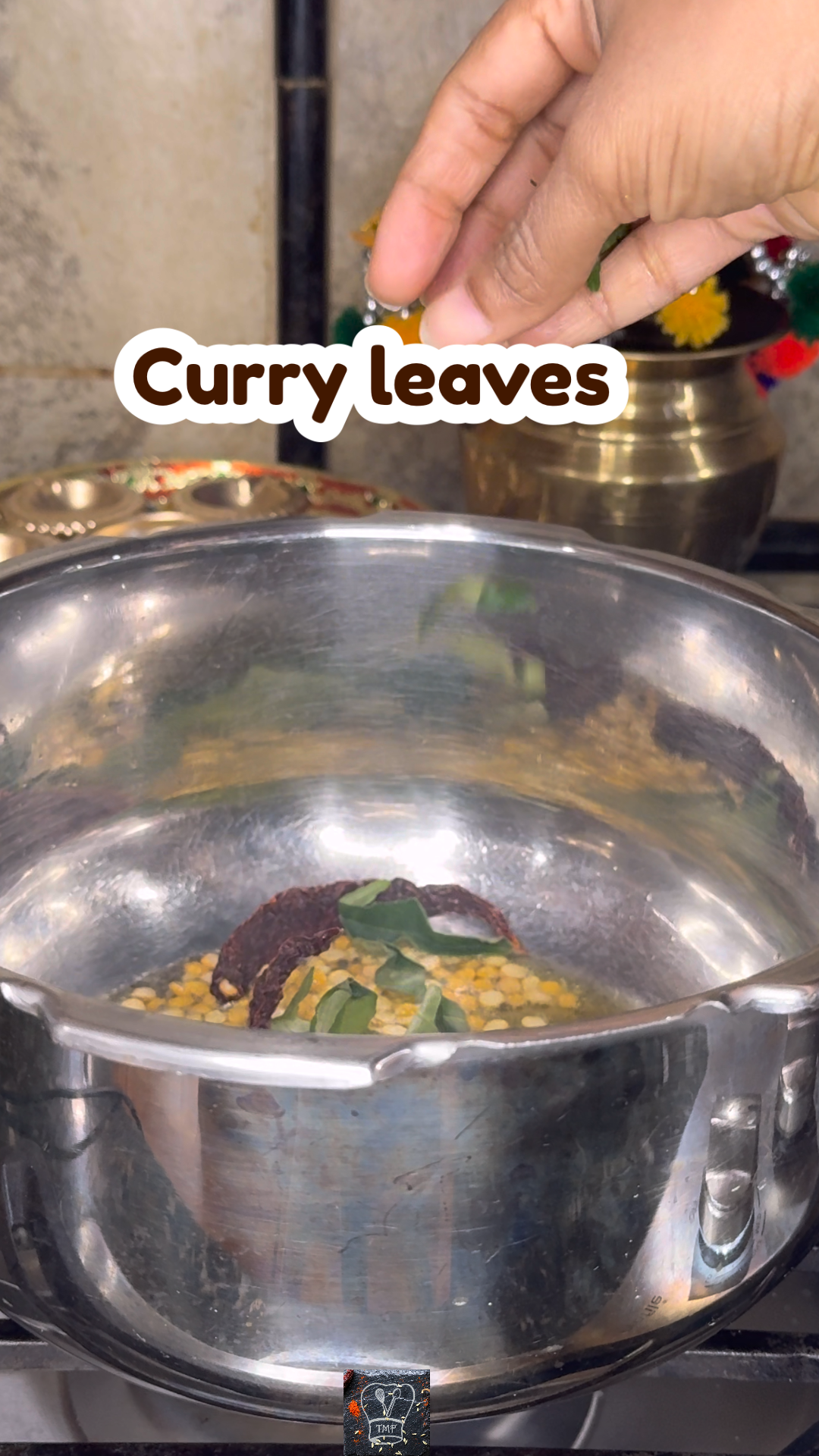
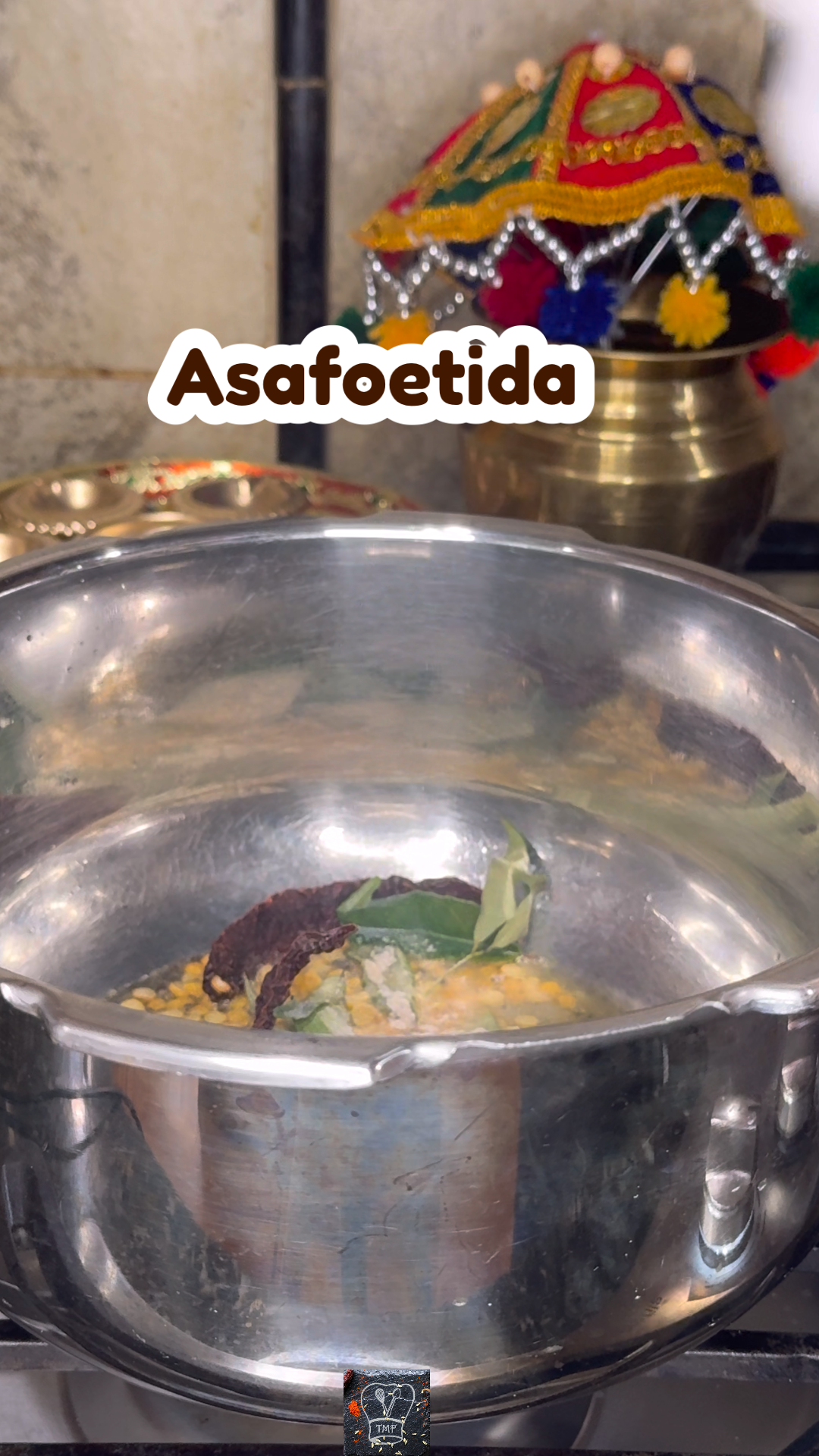
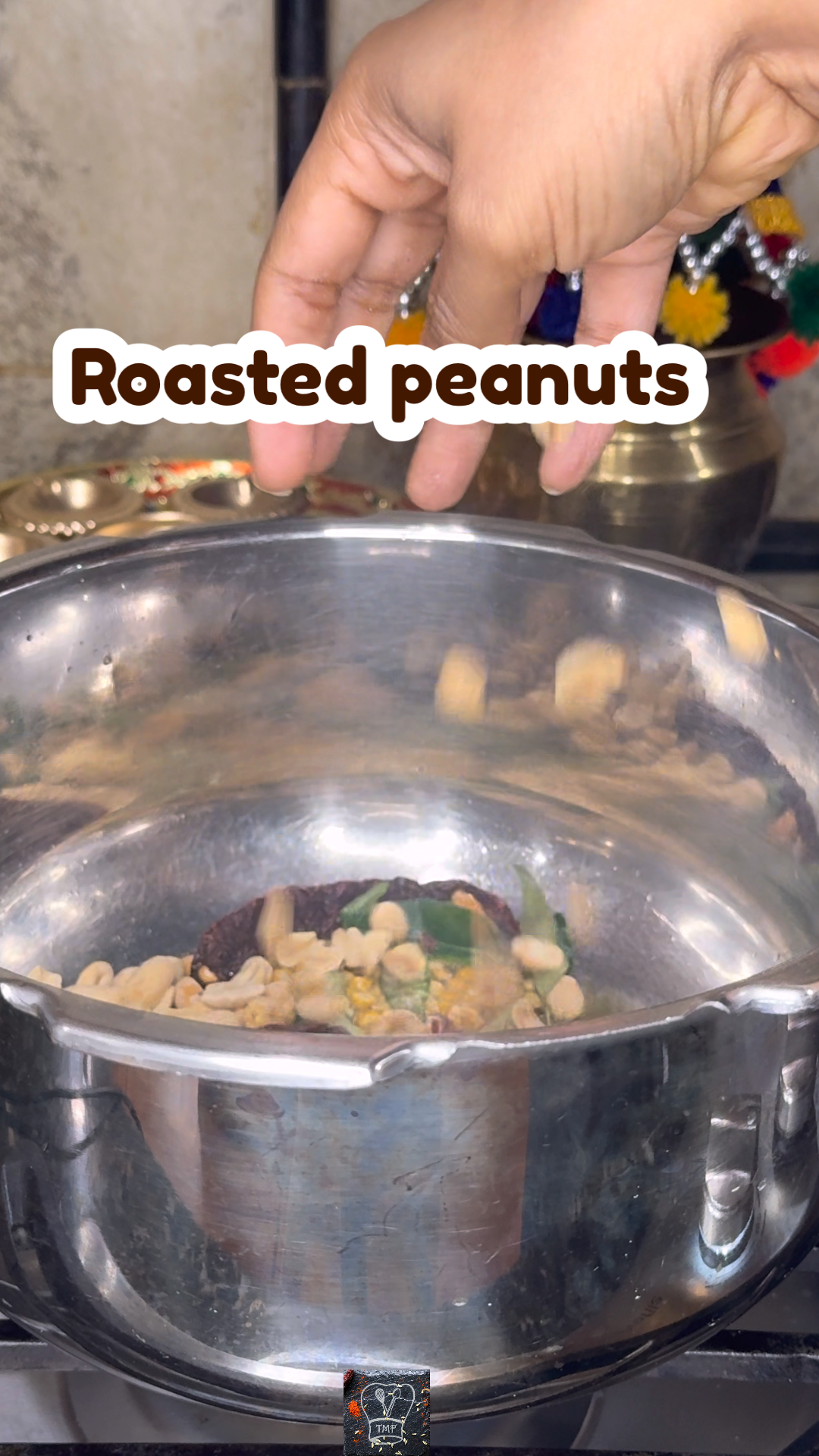
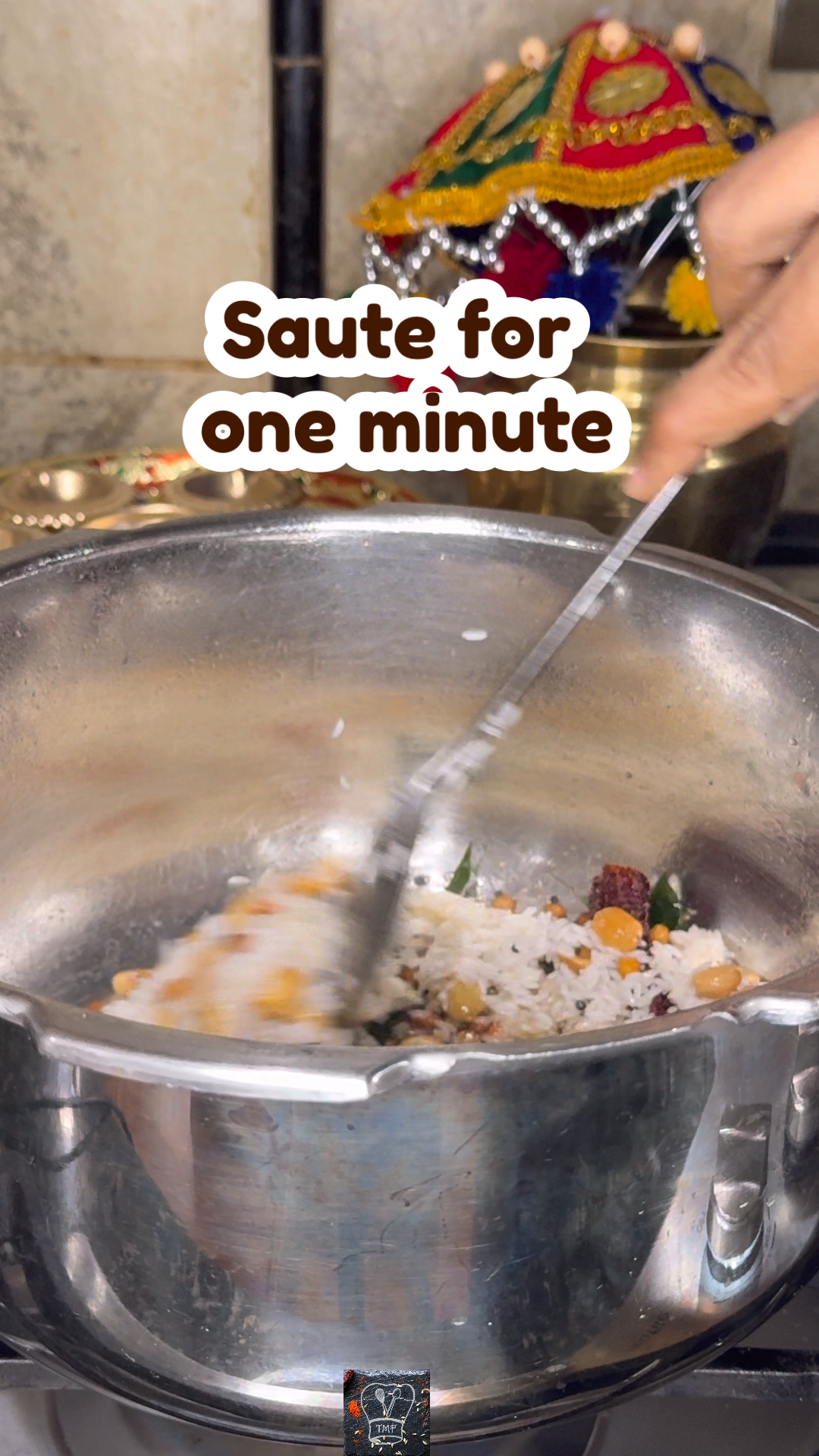
- Add the soaked rice and sauté for a minute
- ️ Add tamarind extract, water, salt, jaggery, and Kashmiri chilli powder
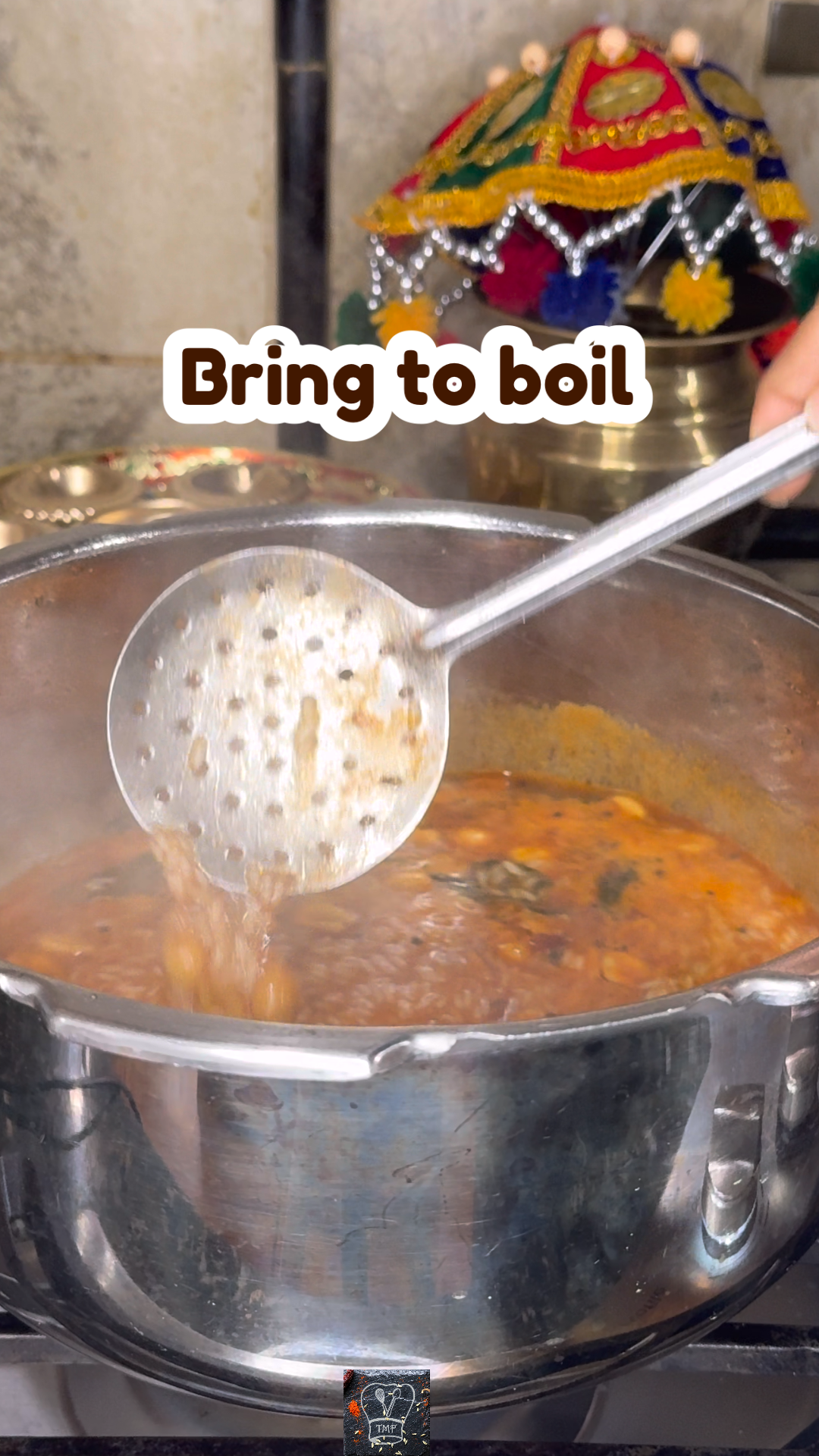
- ️ Mix gently, making sure nothing sticks to the bottom
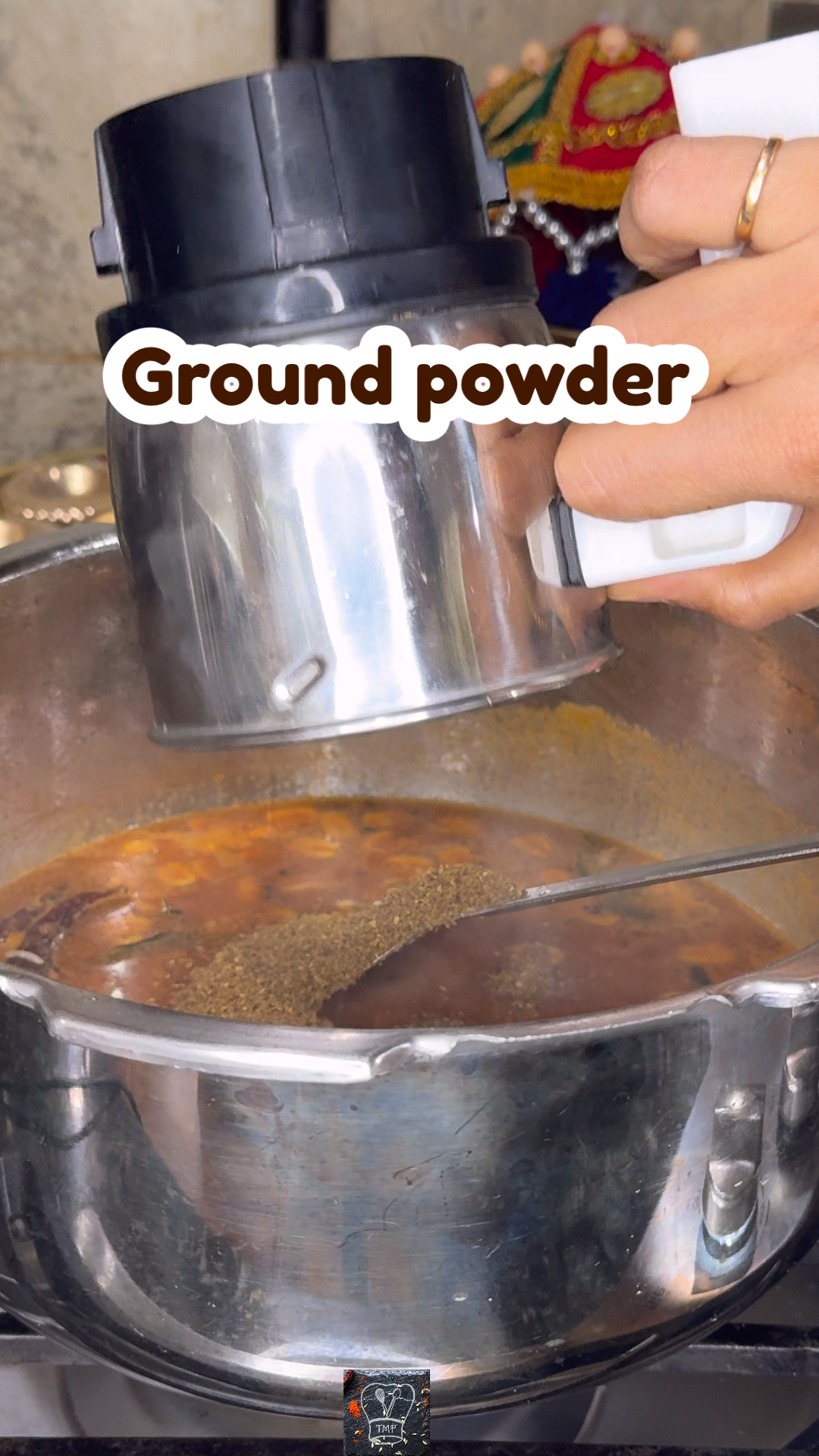
- ️Sprinkle the ground powder on top, avoiding full mixing
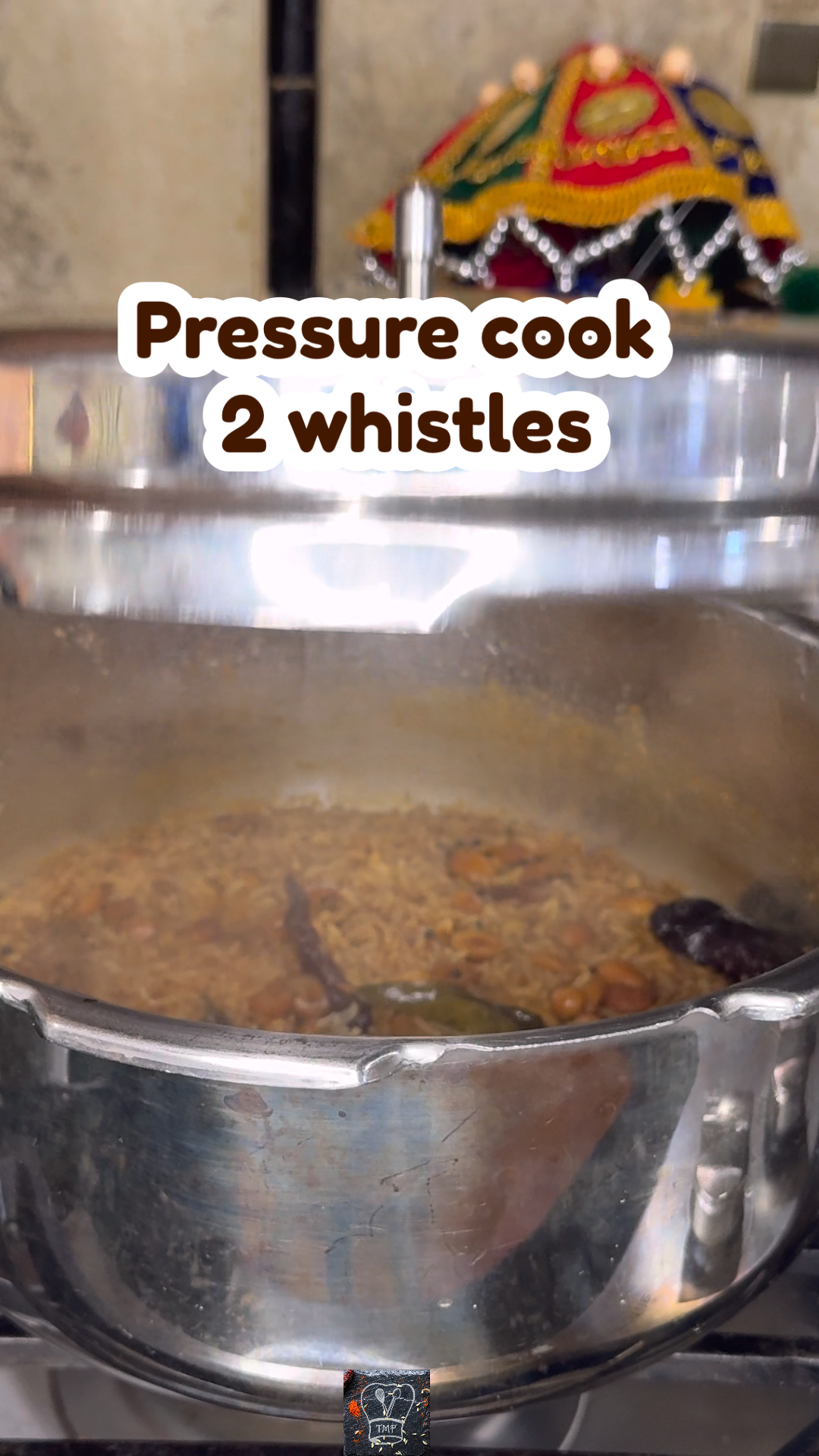
- ️ Pressure cook for 2 whistles and allow natural pressure release
- ️ Gently fluff the rice
- ️ Cover and rest for at least 15 minutes before serving

Ingredients
To soak
- 1 cup sona masoori or raw rice
- Water
to soak the Tamarind extract
- 20 g tamarind
- 1 cup hot water
Roast and grind
- 1/2 tbsp sesame seeds
- 1 tsp cumin seeds
- 1/2 tsp pepper
- 1/4 tsp fenugreek seeds
- 1 tbsp coriander seeds
For tempering
- 2 tbsp sesame oil
- 1/2 tsp mustard seeds
- 1 tbsp chana dal
- 2 red chilli
- A few curry leaves
- Pinch of asafoetida
- Handful of roasted peanuts
Tamarind rice
- 1/2 tbsp salt
- 1/2 tbsp Kashmiri chilli powder
- Pinch of jaggery
- 1 cup + 2 tbsp water
Instructions
- Wash and soak the rice for 30 minutes
- ️ Soak tamarind in hot water for 20 minutes and extract the juice
- ️ Dry roast sesame seeds, pepper, fenugreek seeds, and coriander seeds till aromatic
- ️ Add cumin seeds, mix quickly, switch off, cool, and grind to a fine powder
- ️ Heat sesame oil in a pressure cooker
- ️ Add mustard seeds and chana dal, let them splutter
- ️ Add red chill, curry leaves, asafoetida, and roasted peanuts, quick mix
- Add the soaked rice and sauté for a minute
- ️ Add tamarind extract, water, salt, jaggery, and Kashmiri chilli powder
- ️ Mix gently, making sure nothing sticks to the bottom
- ️Sprinkle the ground powder on top, avoiding full mixing
- ️ Pressure cook for 2 whistles and allow natural pressure release
- ️ Gently fluff the rice
- ️ Cover and rest for at least 15 minutes before serving
Video