
Arachuvitta sambar | tamilbrahm sambar recipe
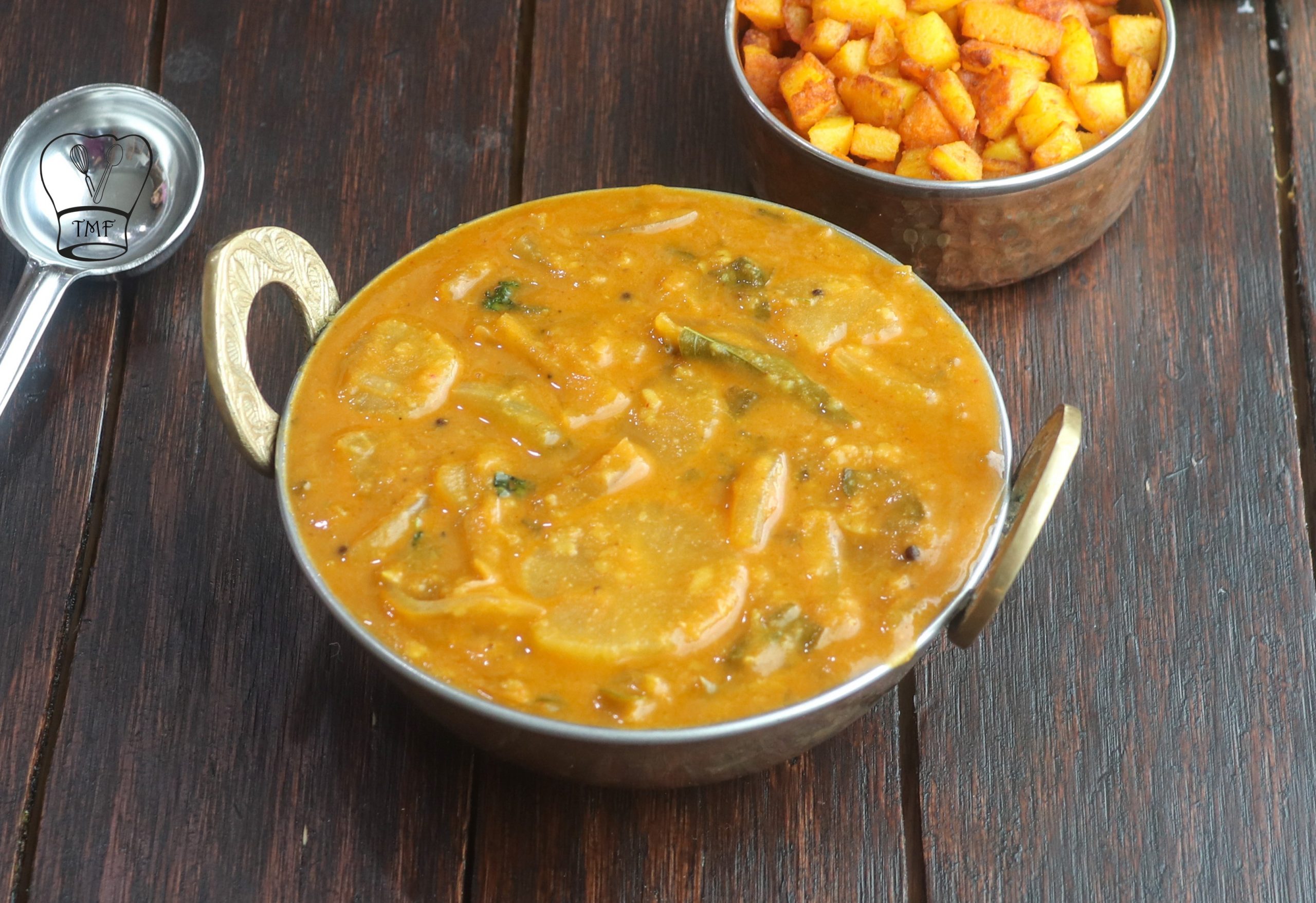
Arachuvitta sambar, Araichuvitta Sambar, arachivitta sambhar, Sambar recipe, Sambar with coconut, mixed vegetable sambar, south Indian sambar recipe, vegetable sambar recipe, tail and style sambar, coconut sambar, Arachu vitta sambar, Araithu vitta sambar, sambar with freshly ground spice, onion sambar, vengayam sambar, tamilbrahm sambar recipe with step-by-step pictures, and video recipe. Check out the Arachuvitta sambar recipe and if you like the video pls SUBSCRIBE to my channel.
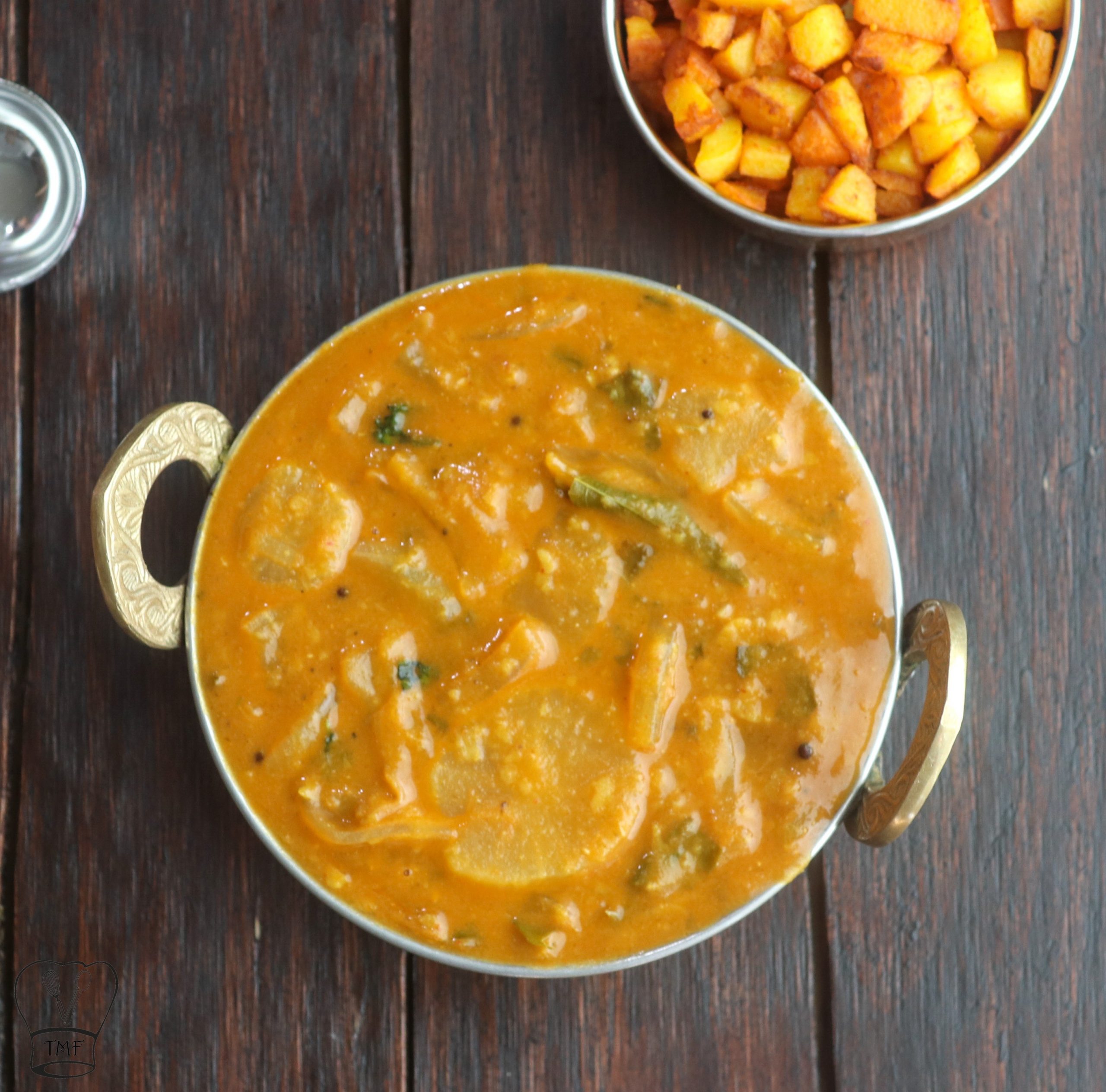
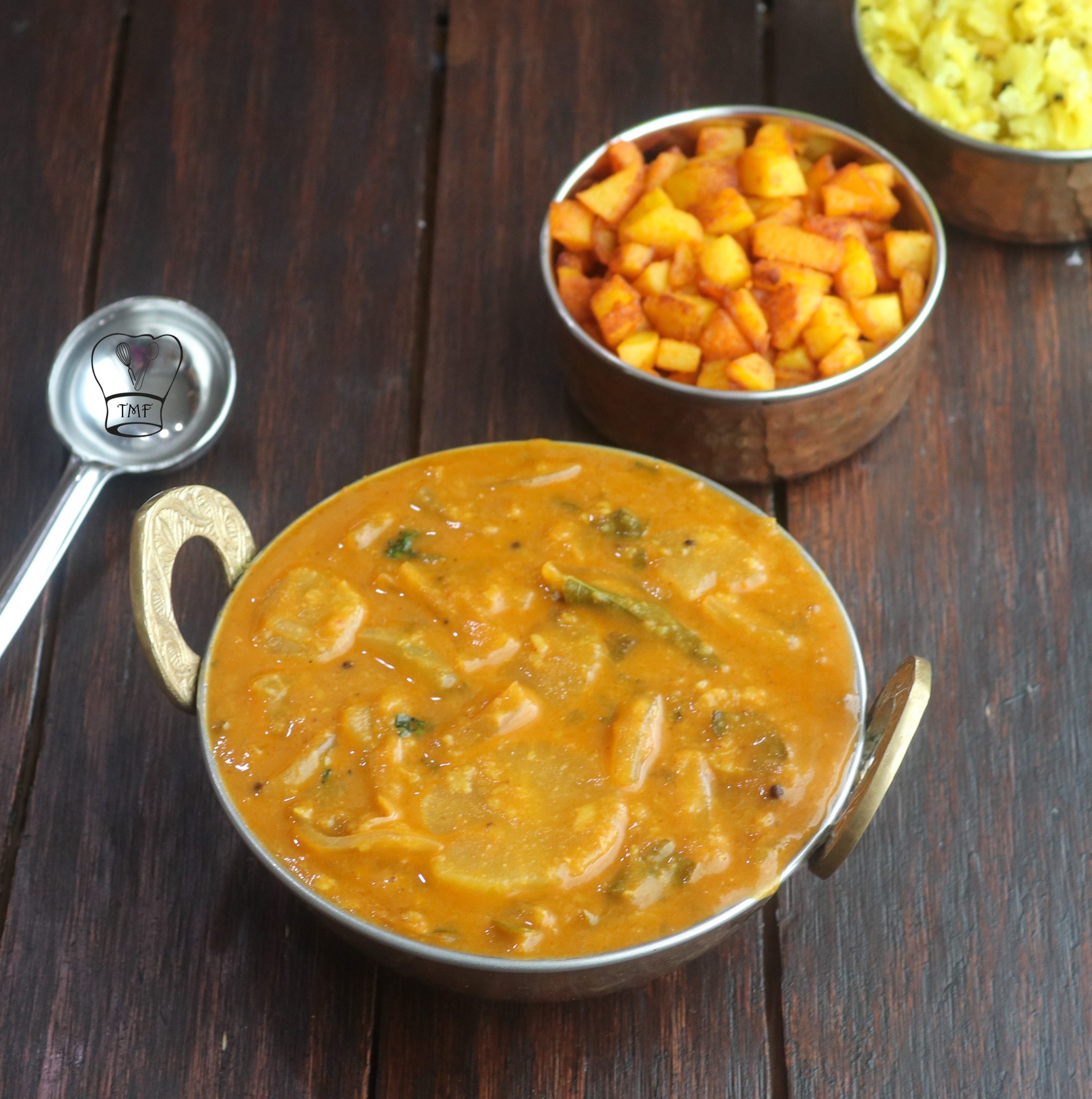
Arachuvitta sambar, Araichuvitta Sambar, arachivitta sambhar, Sambar recipe, Sambar with coconut, mixed vegetable sambar, south Indian sambar recipe, vegetable sambar recipe, tail and style sambar, coconut sambar, Arachu vitta sambar, Araithu vitta sambar, sambar with freshly ground spice, onion sambar, vengayam sambar, tamilbrahm samba is recipe is a traditional South Indian style rice accompaniment prepared with a choice of vegetables, lentil, freshly roasted and ground spice powder. The detailed recipe with tips and tricks makes it a great beginner-friendly recipe for South Indian cuisine meals.
What is Arachuvitta Sambar?
Sambar is one of the most popular traditional South Indian dishes. A good amount of protein and vegetables, blended with flavorful sambhar powder, makes it not only healthy & nutritious but also tastes delicious. This particular sambar is prepared with freshly roasted ground spice powder. In our home, I frequently do three varieties of sambar, Arachuvitta sambar with coconut, sambar with sambar powder without coconut, and sambar with moong dal
What tastes best with sambhar?
Sambhar plays a key role in South Indian cuisine. Sambhar goes well with tiffin varieties like idli, dosa, uthappam, etc. It also tastes great with rice; without sambhar their no special thali/ festive/ wedding lunch / Indian lunch combo
Should I always soak toor dal?
No, it is optional, but I feel soaking helps for even cooking
How much water should I add while cooking dal?
It depends on the dal you use. I generally use a 1:3 dal: water ratio. The number of whistles also depends on the dal you use.
What variety of dal should I use for sambhar?
For rice accompaniment sambar, I generally use toor dal. For tiffin variety, I sometimes use moong dal. Restaurants/hotels use a combination of toor dal and masoor dal
How much Sambar powder should I use?
I prefer using homemade sambhar powder for my sambar. The amount of sambar powder might slightly vary based on your spice level. For arachuvitta sambar, spice is from sambar powder and red chilli, so if you are increasing red chilli adjust sambar powder accordingly.
How to make instant pot sambar
Cook dal for 9 minutes and let the pressure release naturally. Follow the rest of the steps the same for the instant pot Sambhar recipe
What kind of vegetables can I use?
You can skip the onion and make no onion sambhar. Today I have used big onion, but you can also use pearl onion. Yellow pumpkin, white pumpkin, bottle gourd, eggplant, potato, sweet potato, drumstick, etc. can be used for sambhar. If you are using potato, add a little extra spice and salt.
What should be the texture of the cooked sambhar veggies?
Cooked veggies should be fork-tender. Always remember not to overcook the veggies. They should hold their shape and not become mushy. I have cooked radish separately, but you can also cook radish in the pan.
Should I add the ghee tempering?
I generally use coconut oil for tempering and use a little ghee towards the end. In our home, we prefer adding ghee while eating. You can use ghee according to your choice
What should be the consistency of the sambhar?
Some like thin sambar while others prefer it thick. I prefer mine on the thicker side. And that’s pretty much what you need to make sambhar at home. The consistency of the sambar can be adjusted according to your preference.
Can I make direct pressure cooker sambar or instant pot sambar?
In our home, I prefer making sambhar in steps. Pressure cook dal; meanwhile, cook veggies in tamarind water with sambar powder; finally, boil everything together. You can make one-pot sambar, but I feel the texture and taste are best when it is prepared in steps. You can try one-pot samba sadam

Kuzhambu recipes in TMF
Tamarind based recipes in TMF


Other Sambar varieties in TMF

Ingredients
To Cook dal:
- 1/2 cup toor dal
- 1 + 1/2 cup water
- Pinch of turmeric powder
To cook Radish:
- 1 Radish
- Salt
- 1 tbsp Water
To roast and grind:
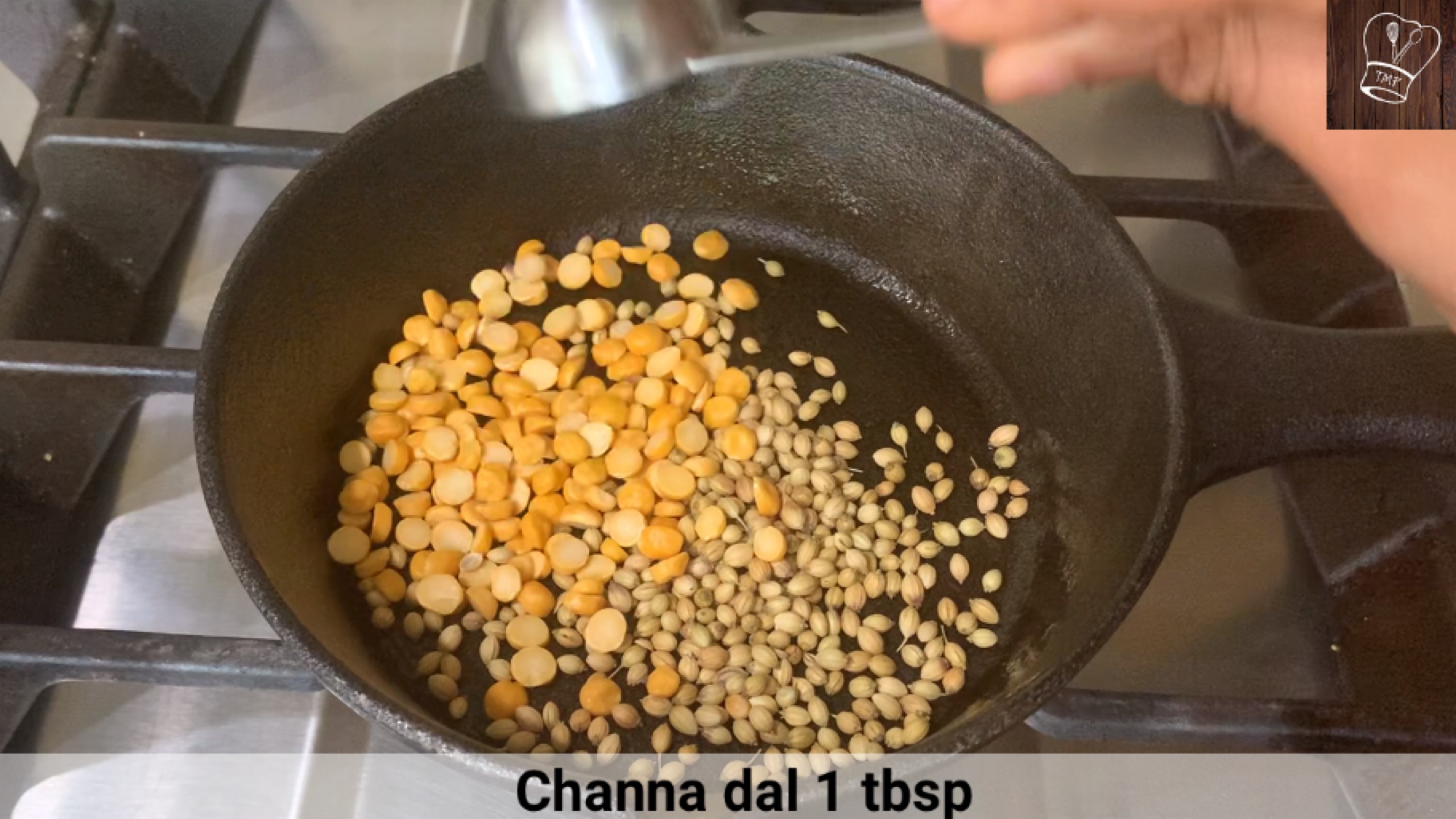
- 1 tbsp channa dal
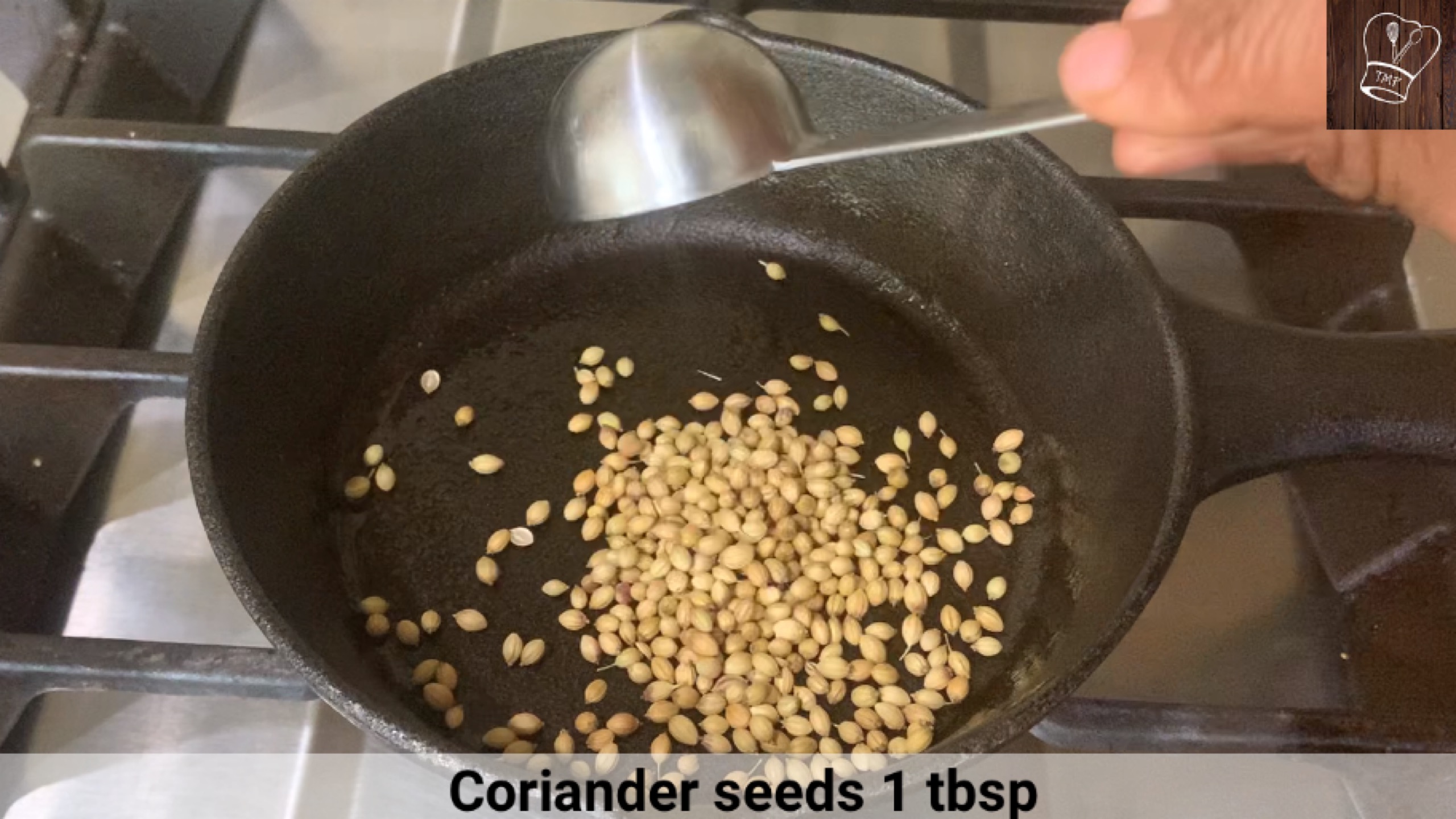
- 1 tbsp coriander seeds
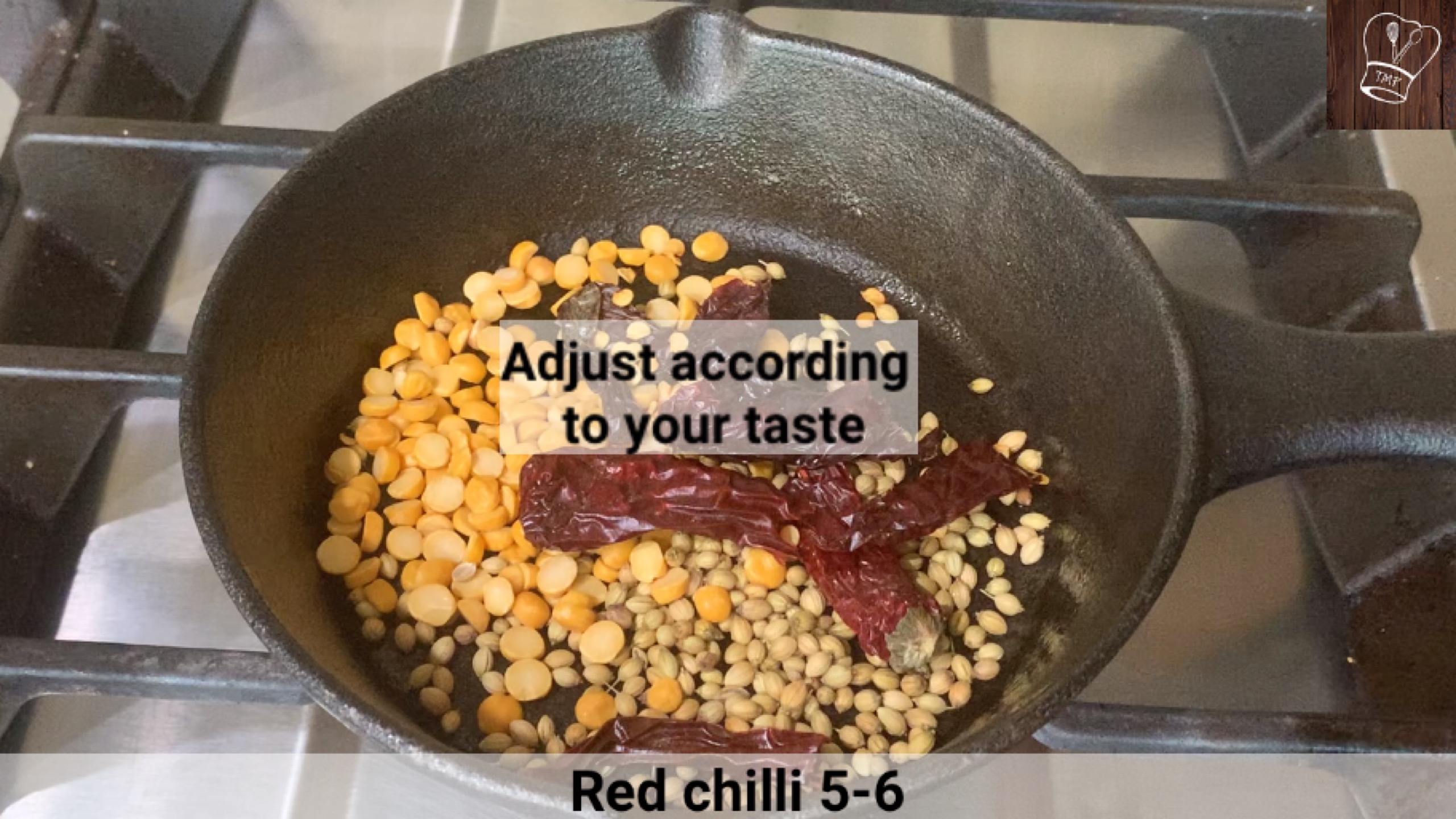
- 5 red chilli
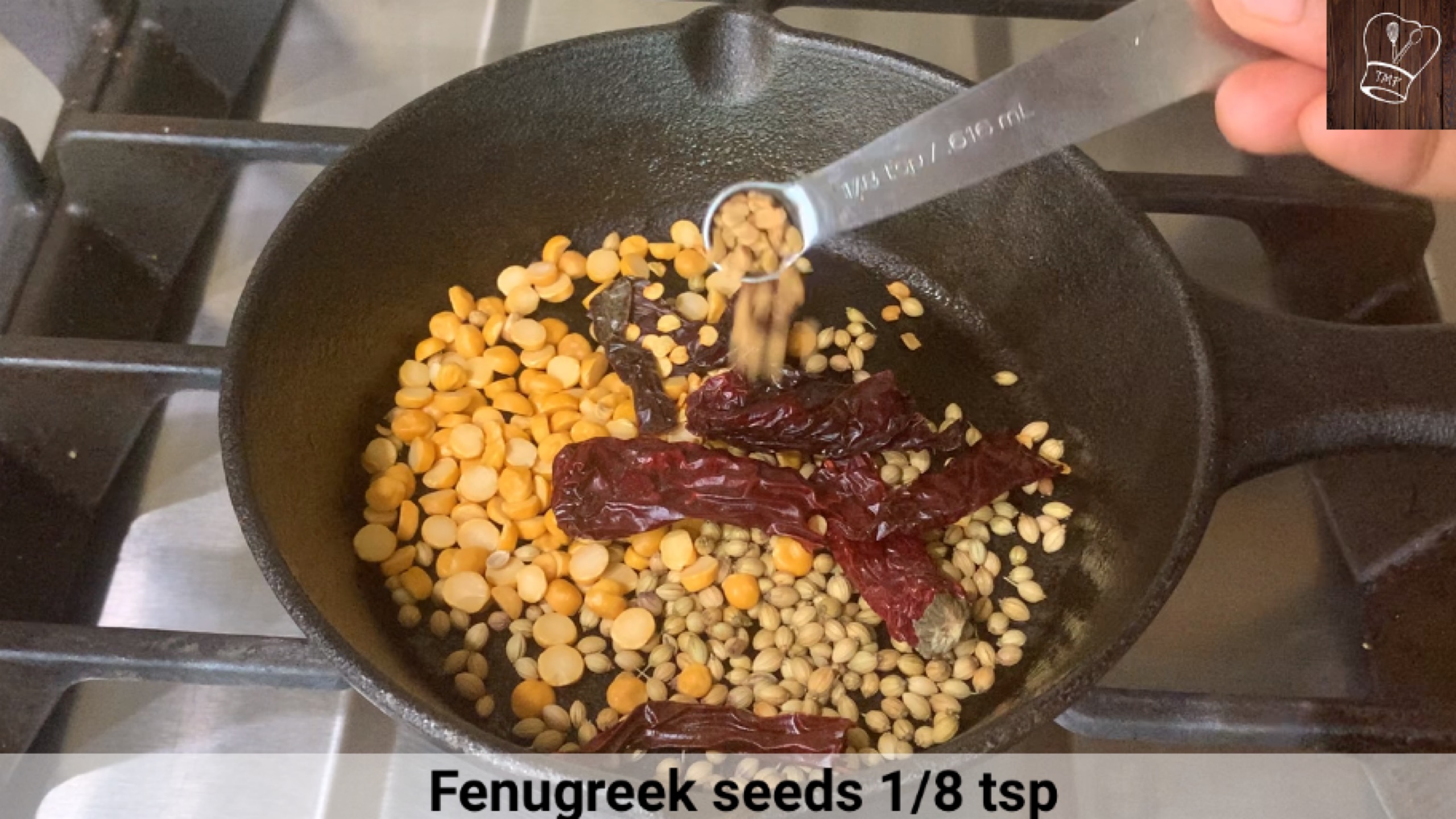
- 1/8 tsp fenugreek seeds
- 1/4 cup onion
- 1/4 cup coconut
To prepare Arachuvitta sambar
- 1 tbsp coconut oil
- 1/2 tsp mustard seeds
- 1/8 tsp fenugreek seeds
- 1 onion
- 2 tbsp tamarind paste
- 1/2 tbsp + 1 tsp sambar powder
- Asofeotida generous pinch
- Salt as needed
- 1/2 tsp Sugar/jaggery
- Coriander leaves curry leaves few
- 1 tsp ghee
Instructions
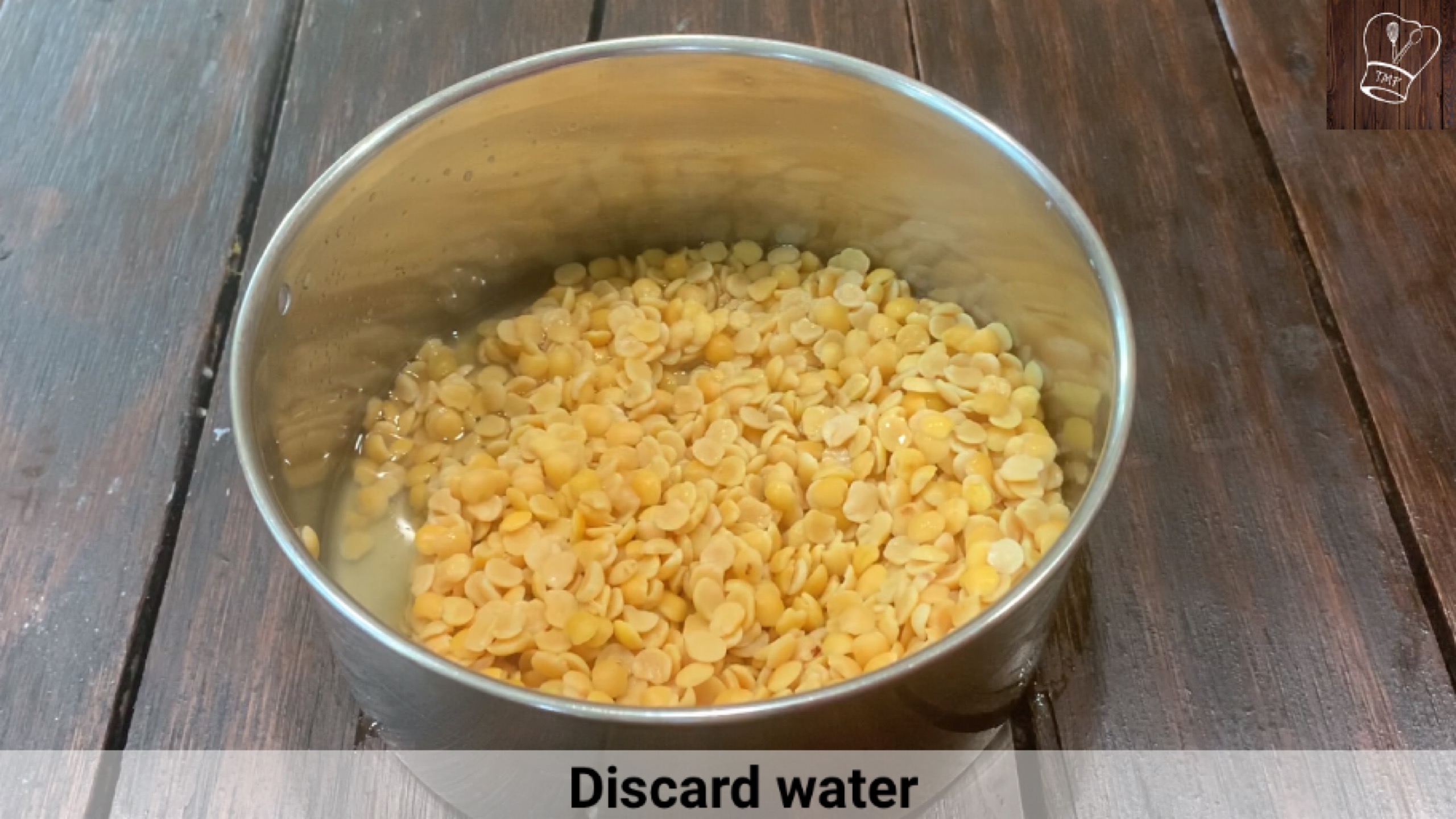
- Wash and soak toor dal in hot water for at least one hour
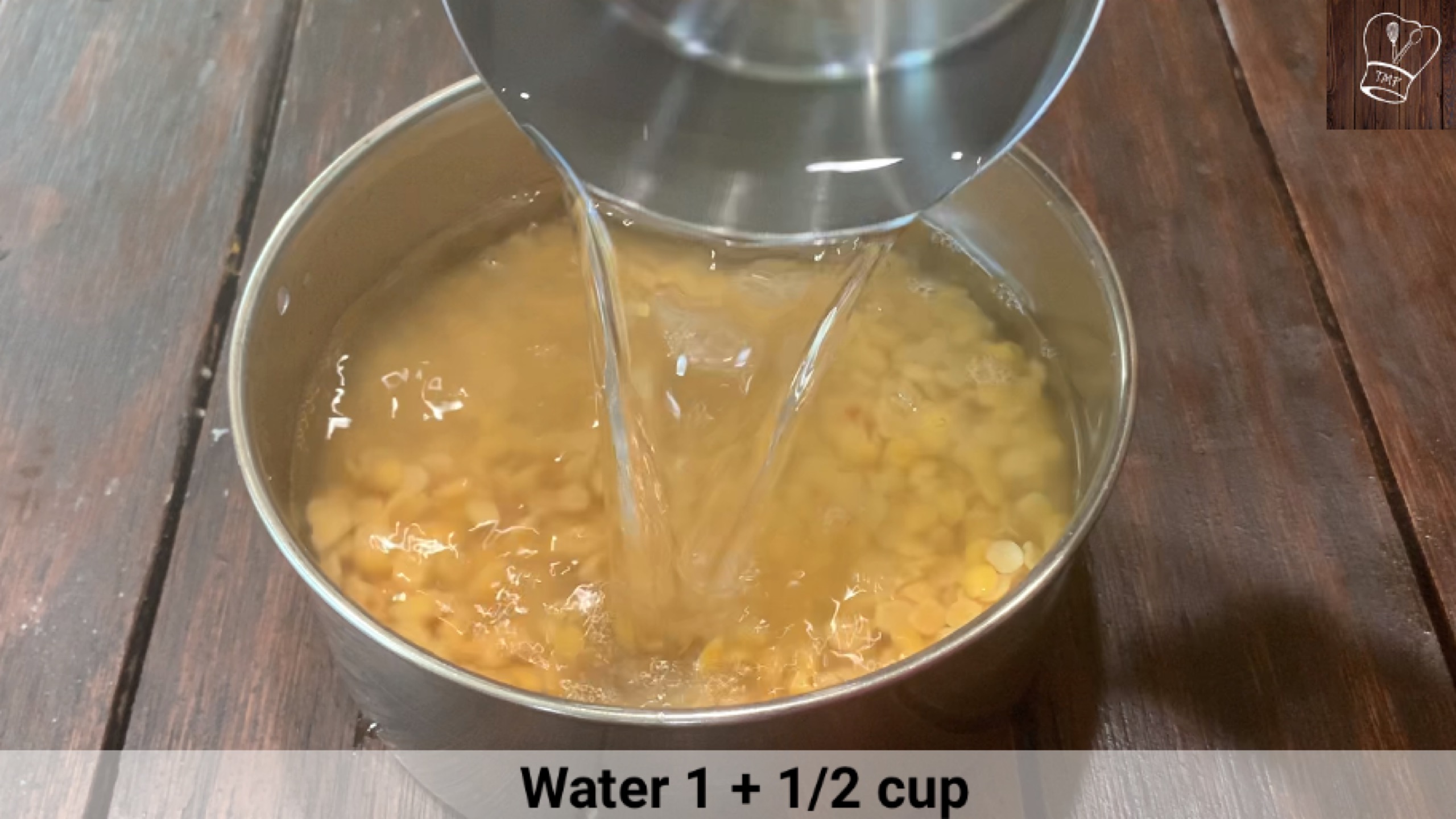
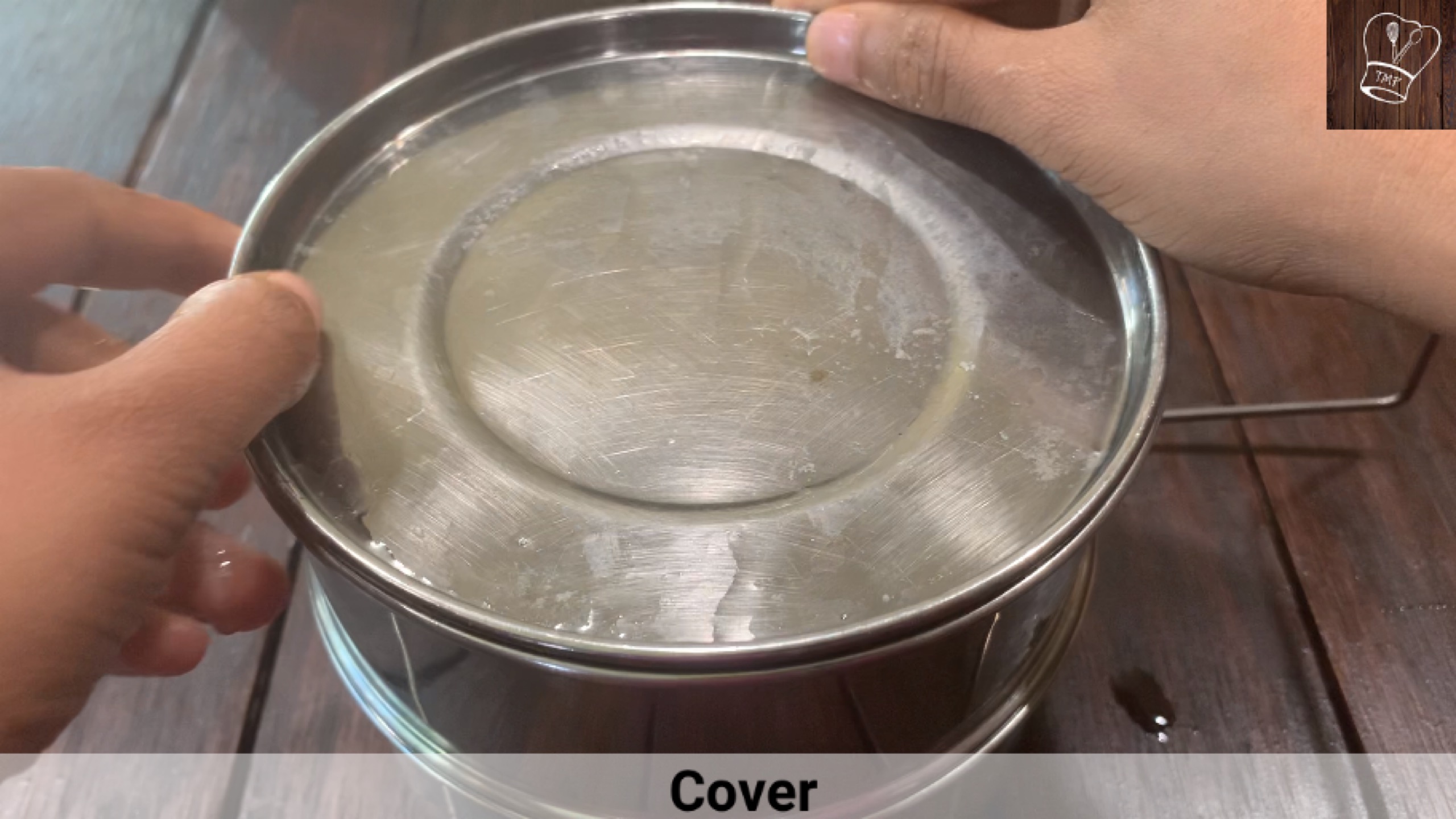
- Drain the water and add the required water, a pinch of turmeric powder, cover the separator with a lid
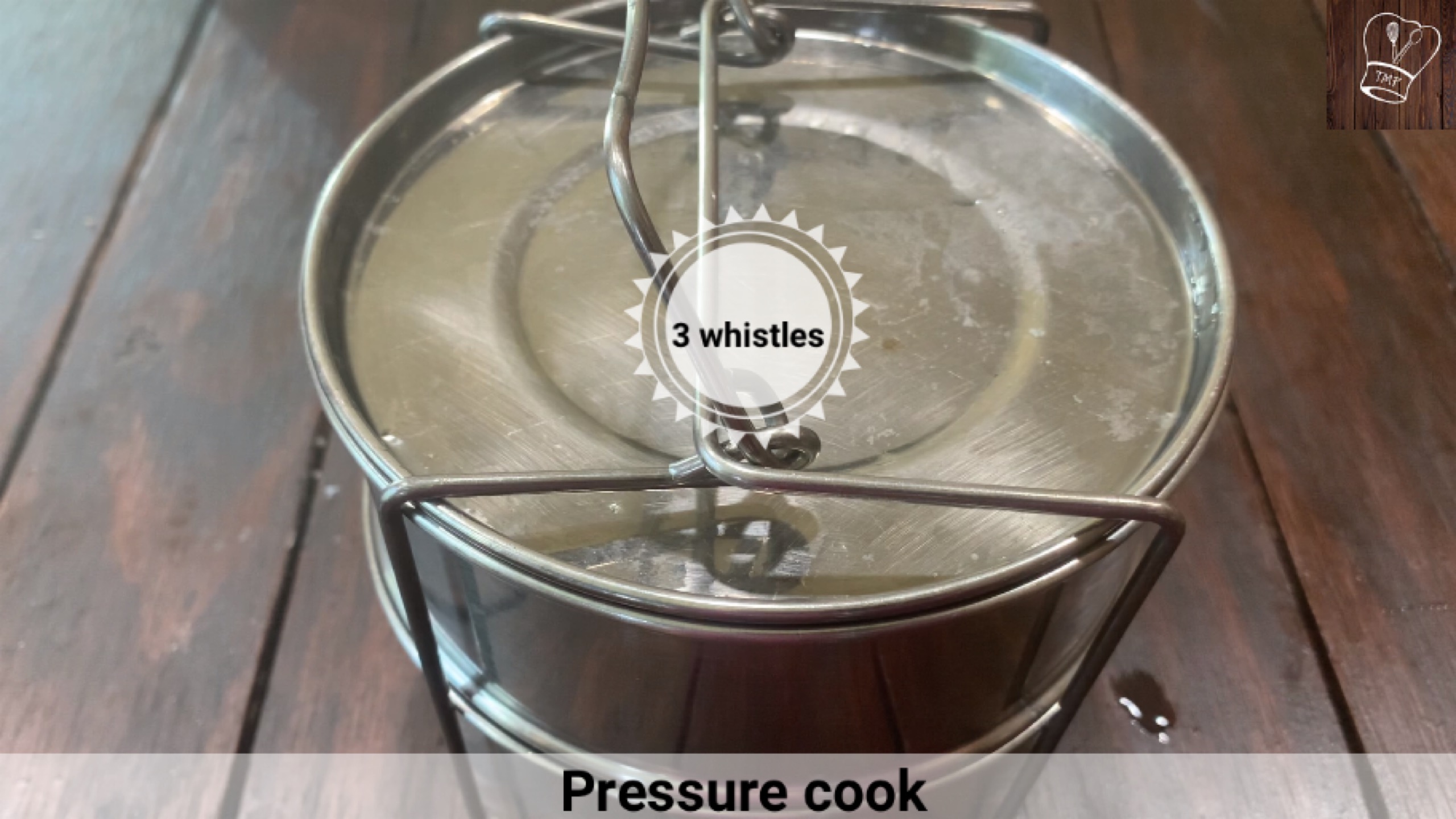
- In another separator add chopped radish, required salt and 1 tbsp of water, cover with a lid, and pressure cook the separator for 3 whistles, let the pressure settle naturally
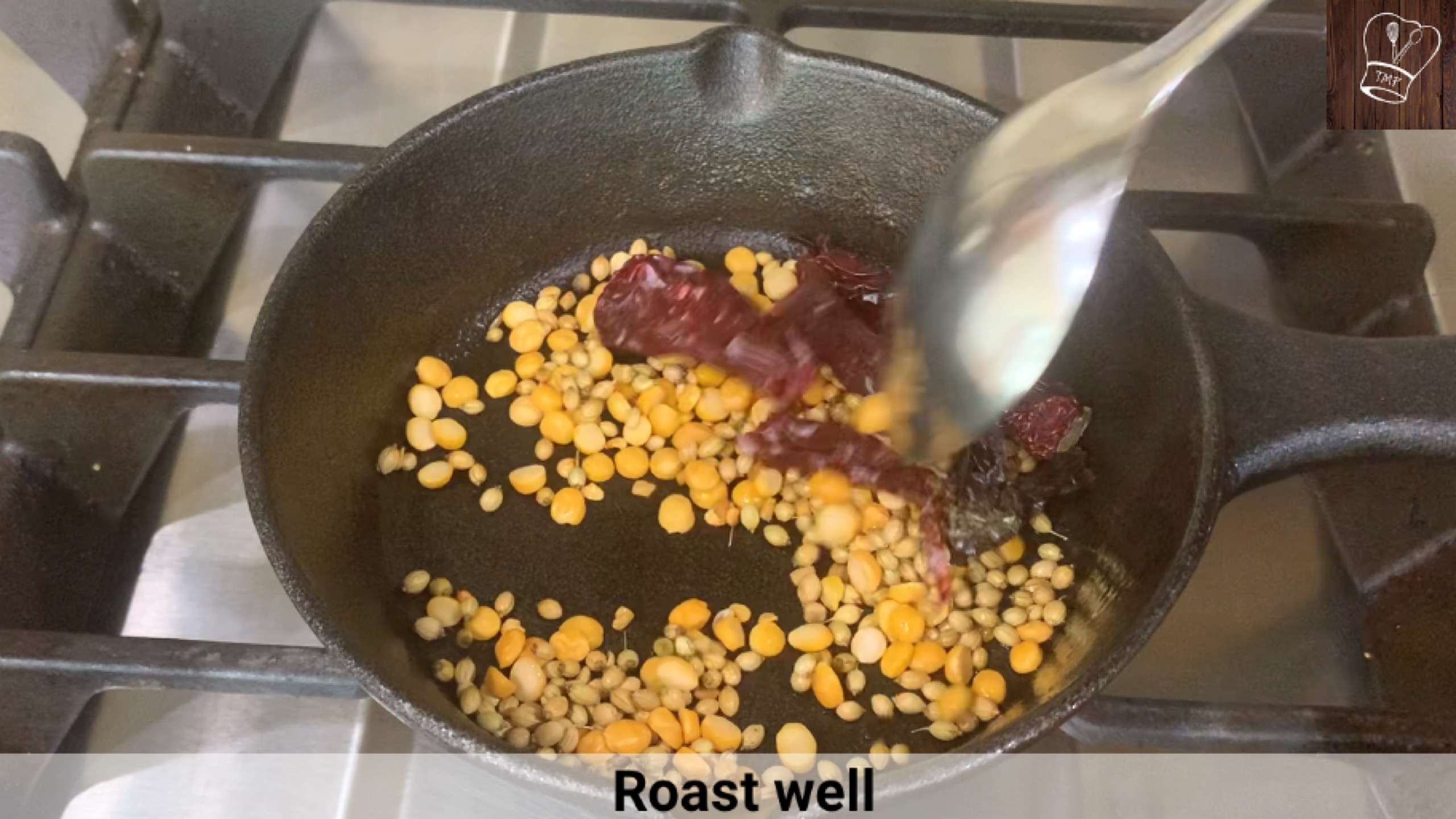
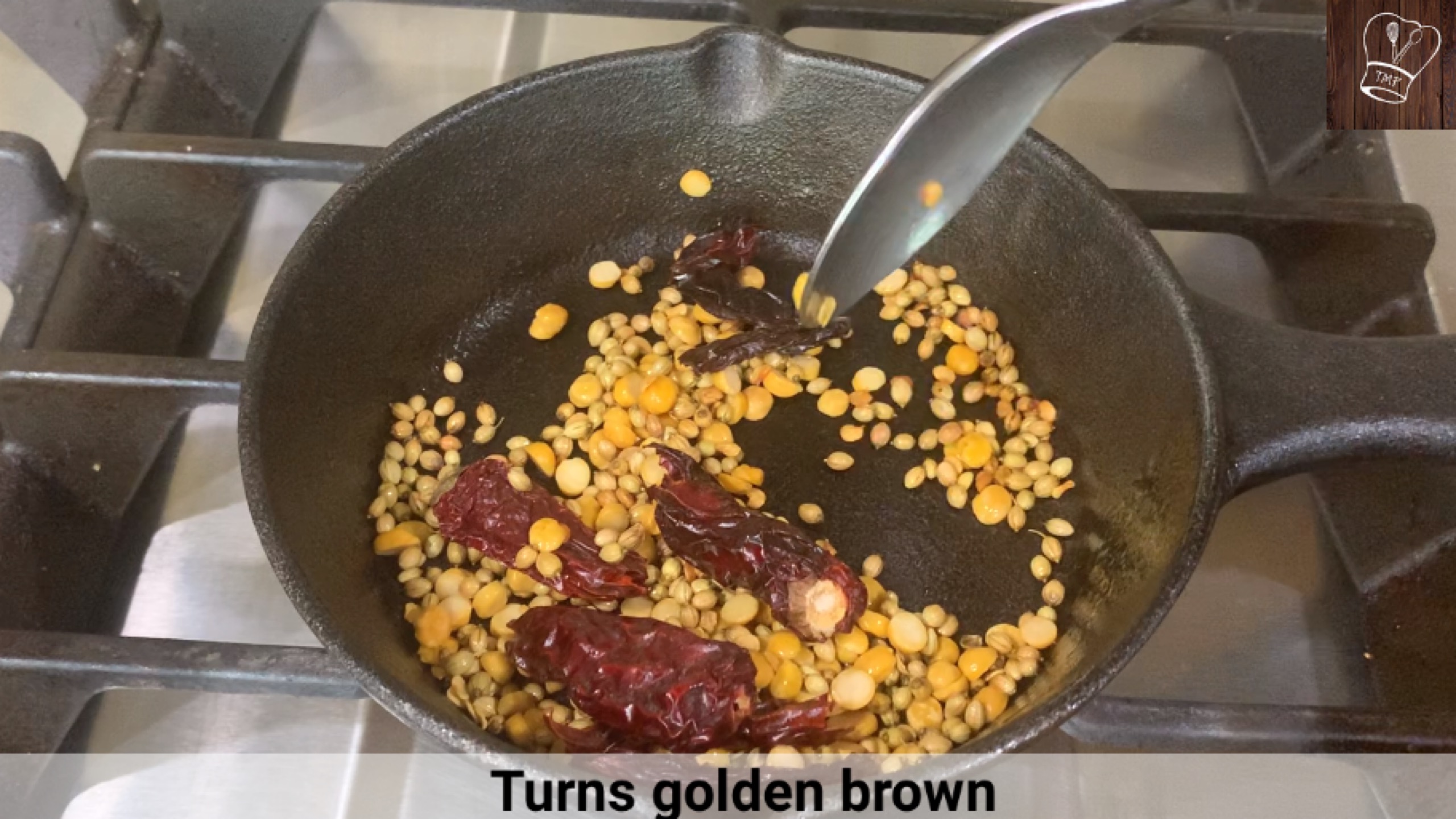
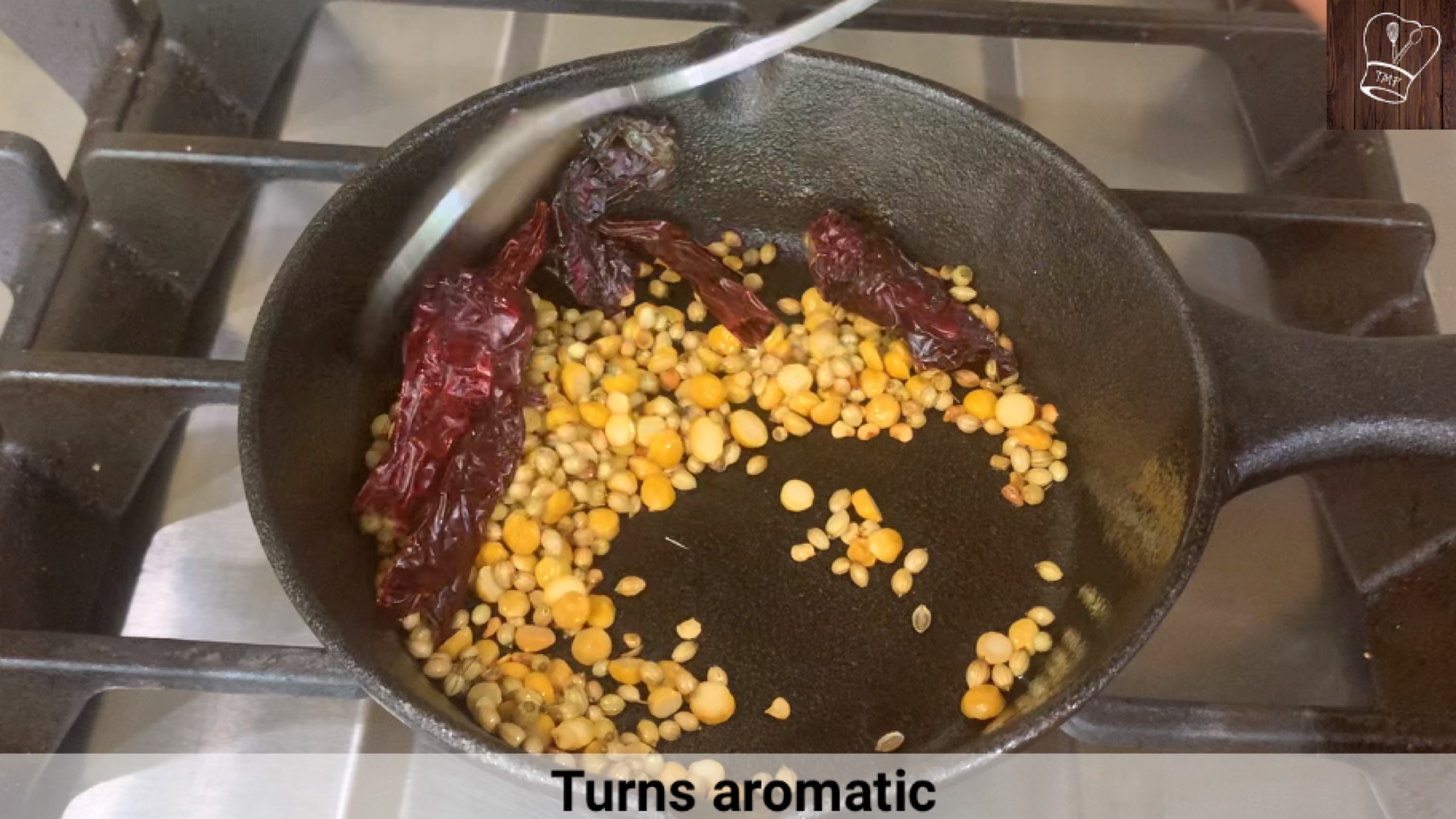
- In a pan add coriander seeds, channa dal, red chilli, fenugreek seeds, coconut oil and saute will they turn aromatic and change color
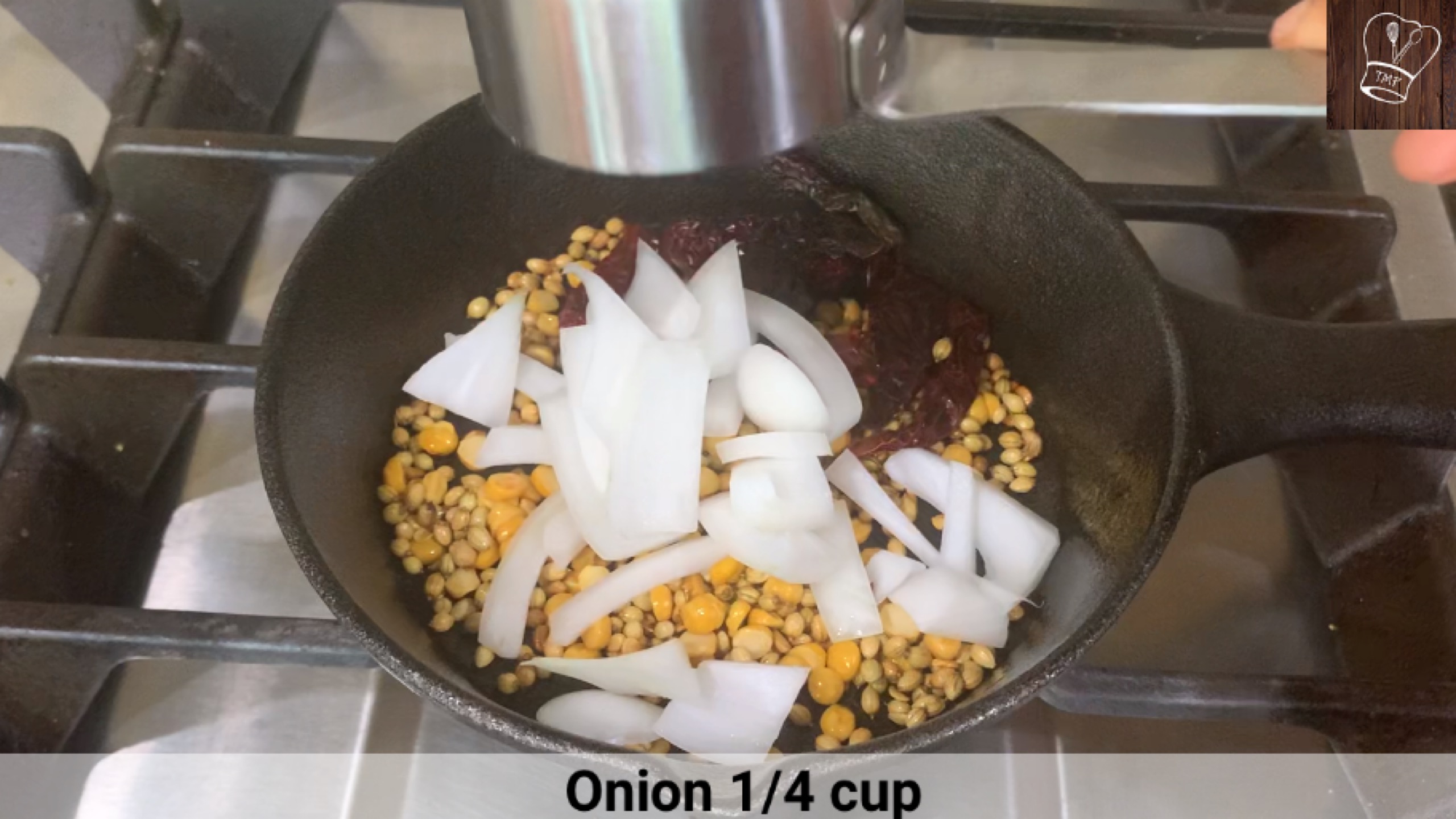
- Add onion and saute for 2 minutes till they change color
- Finally, add coconut and turn off the stove
- Mix everything well and transfer them to a plate and cool
- After everything is cool, add little water and grind
- In a wide pan add oil and once the oil is hot add mustard seeds and fenugreek seeds, let them splutter
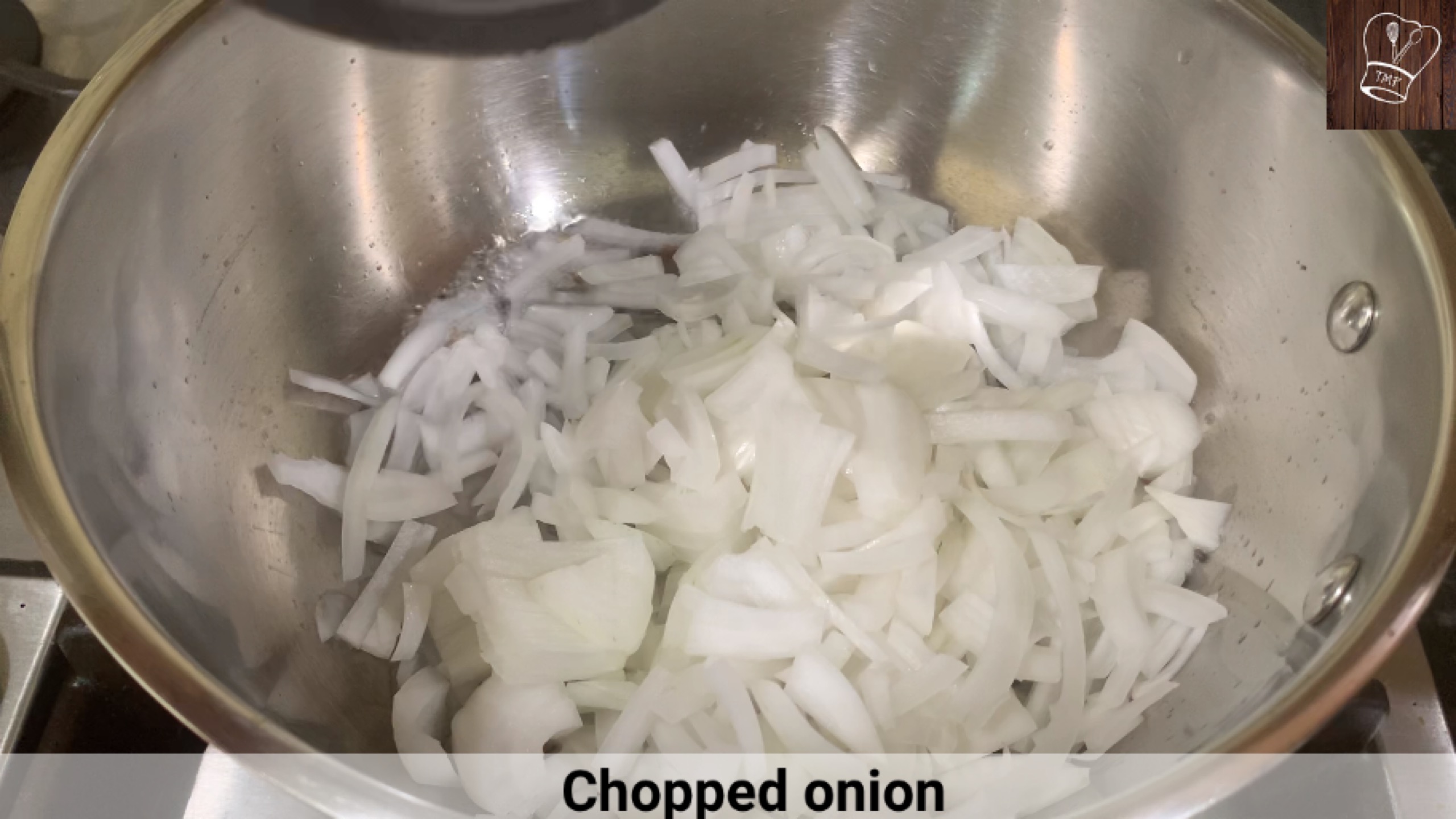
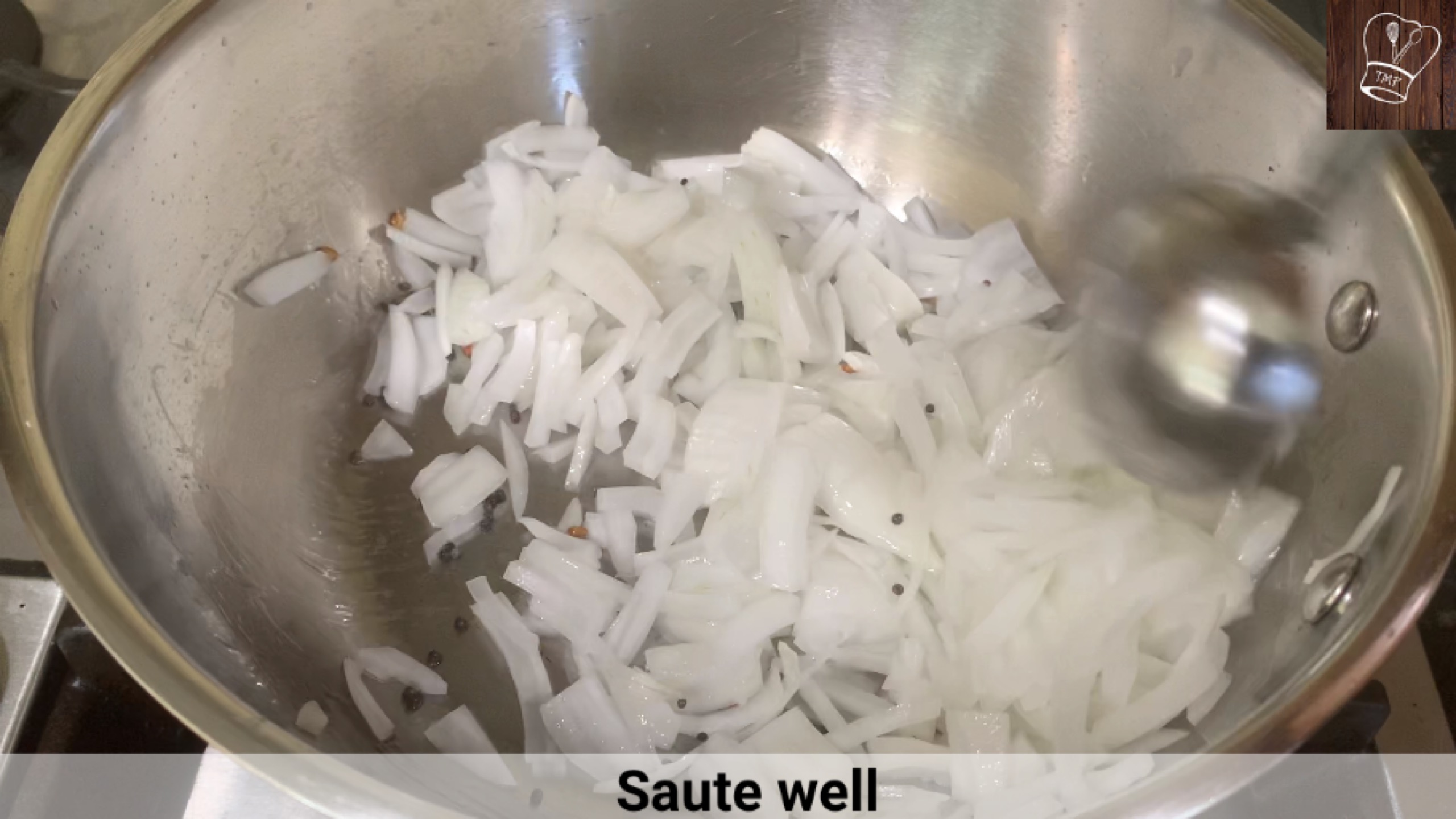
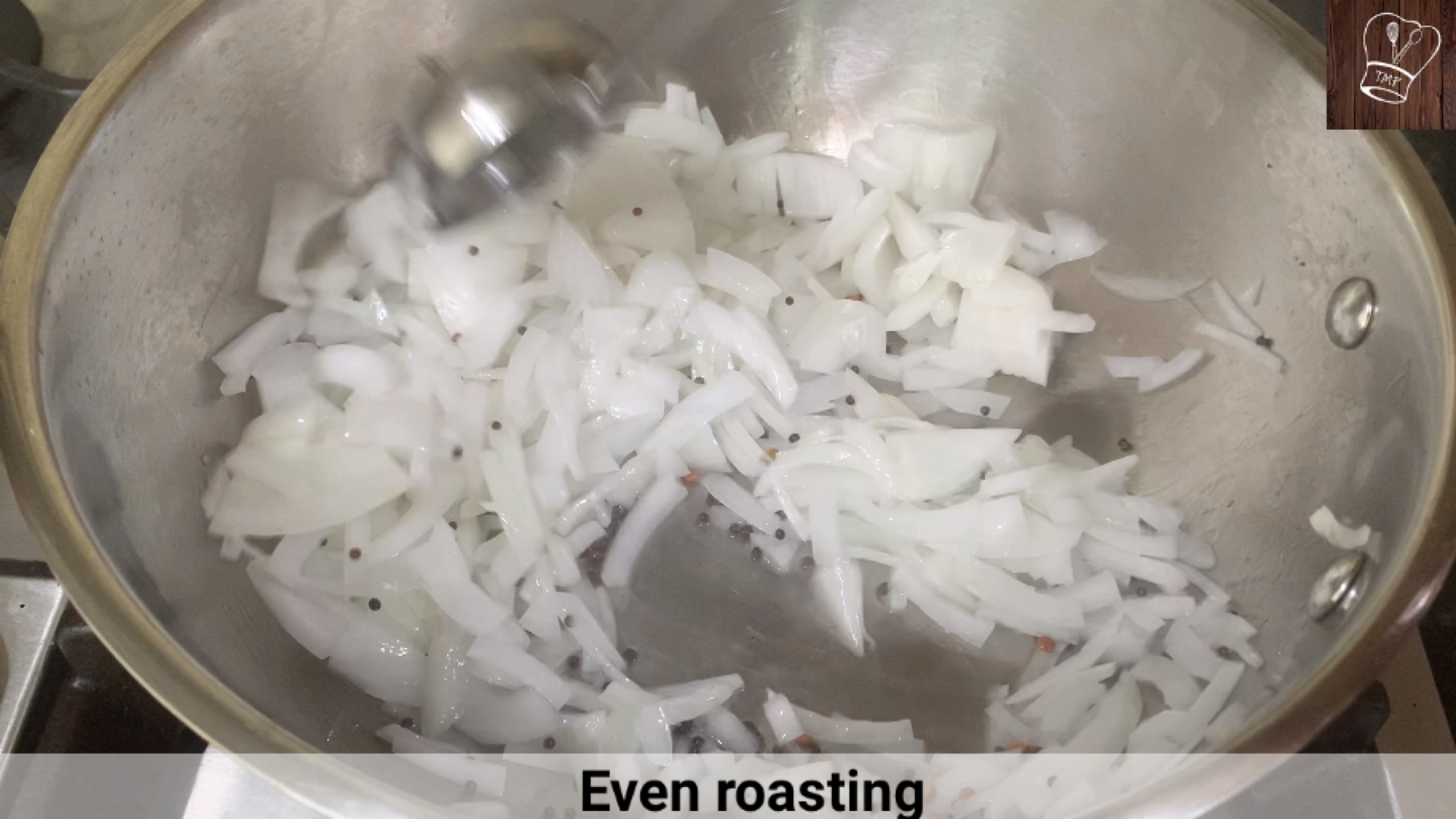
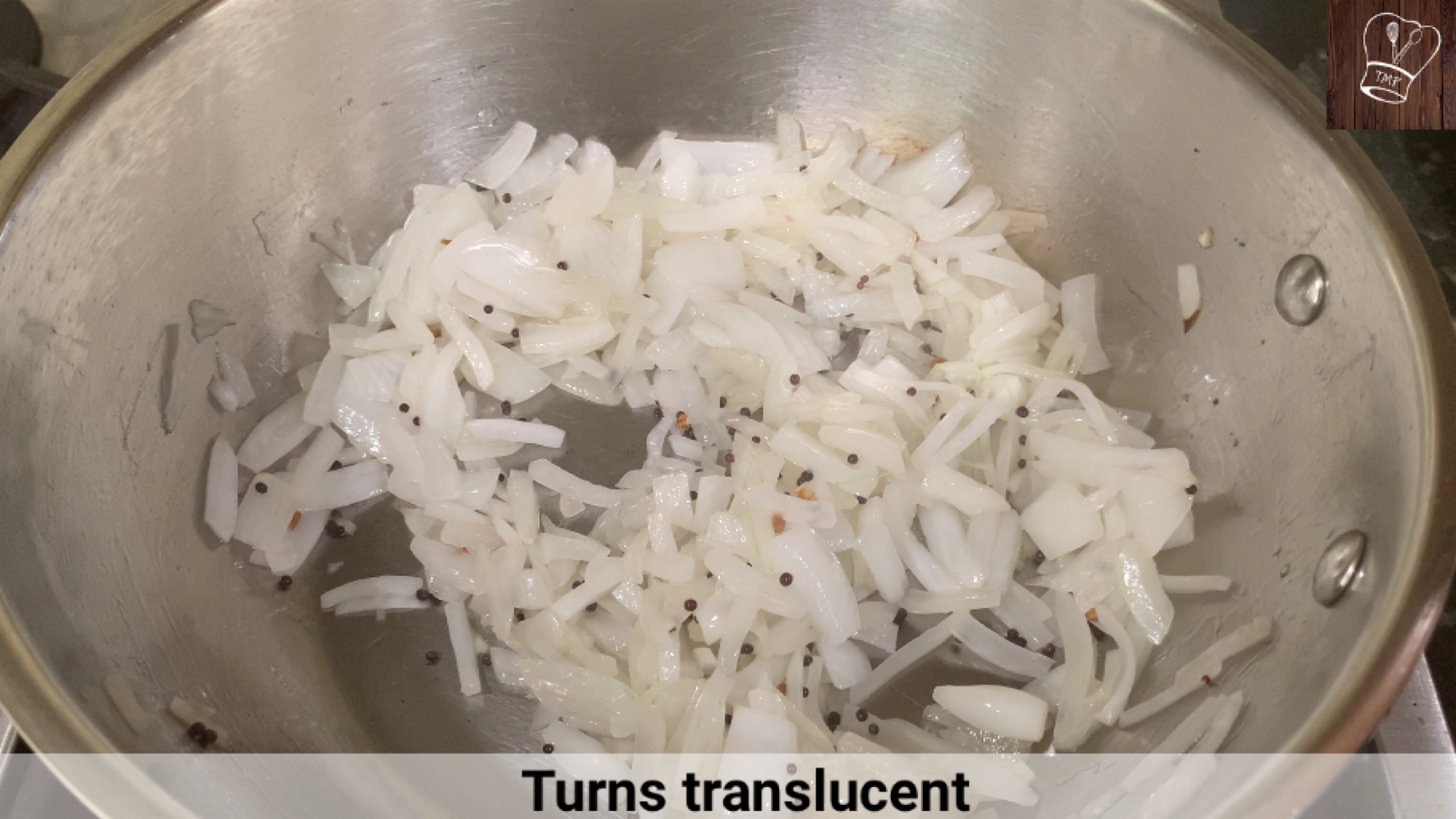
- Add onion and saute till onions turn translucent
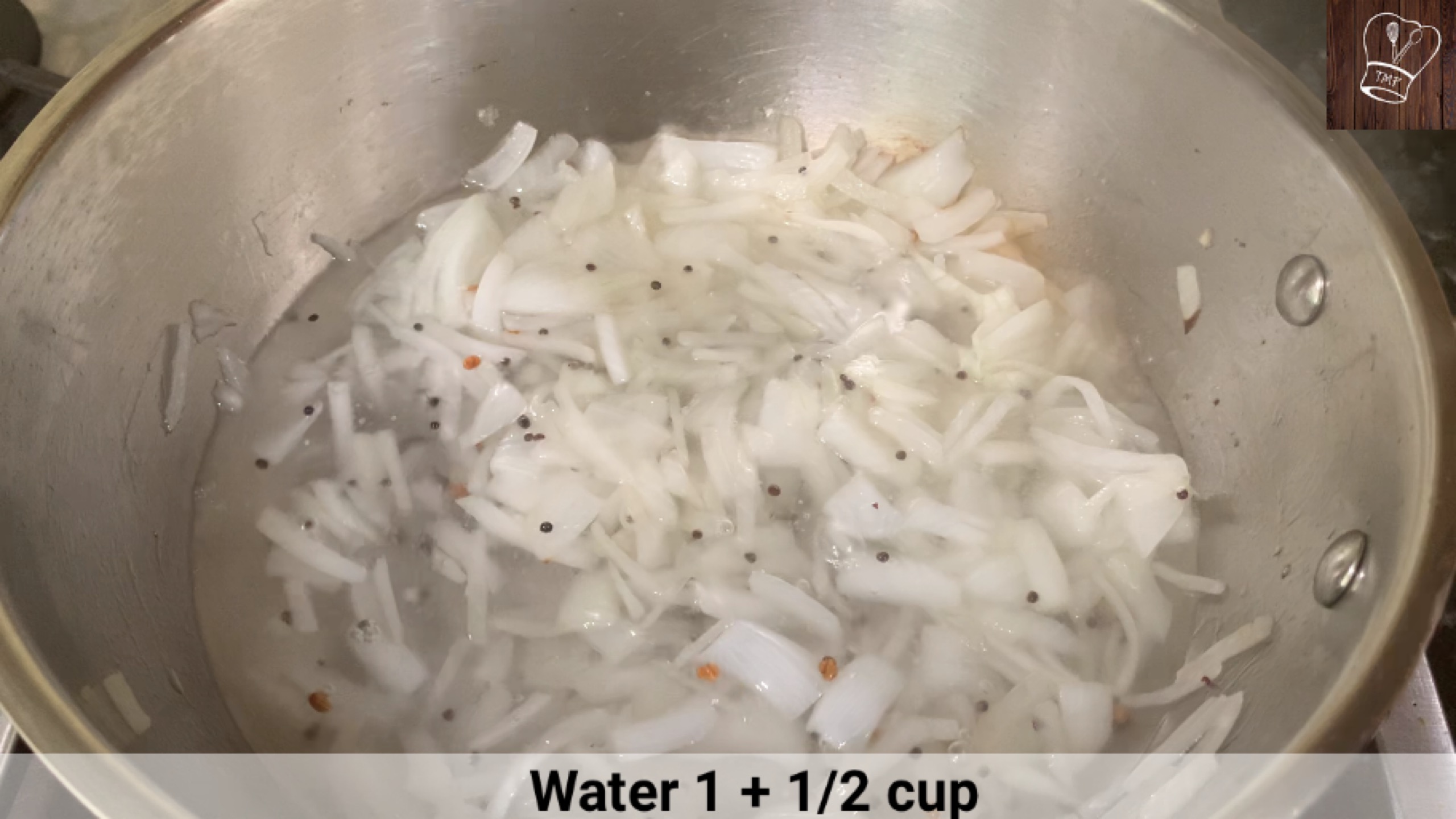
- Add water, sambar powder, tamarind paste, and turmeric powder and mix well
- Furthermore, add radish and boil for 10 minutes
- add the ground mixture, mixie water, and mix well
- Furthermore add salt and boil for 10 minutes, mix well in between
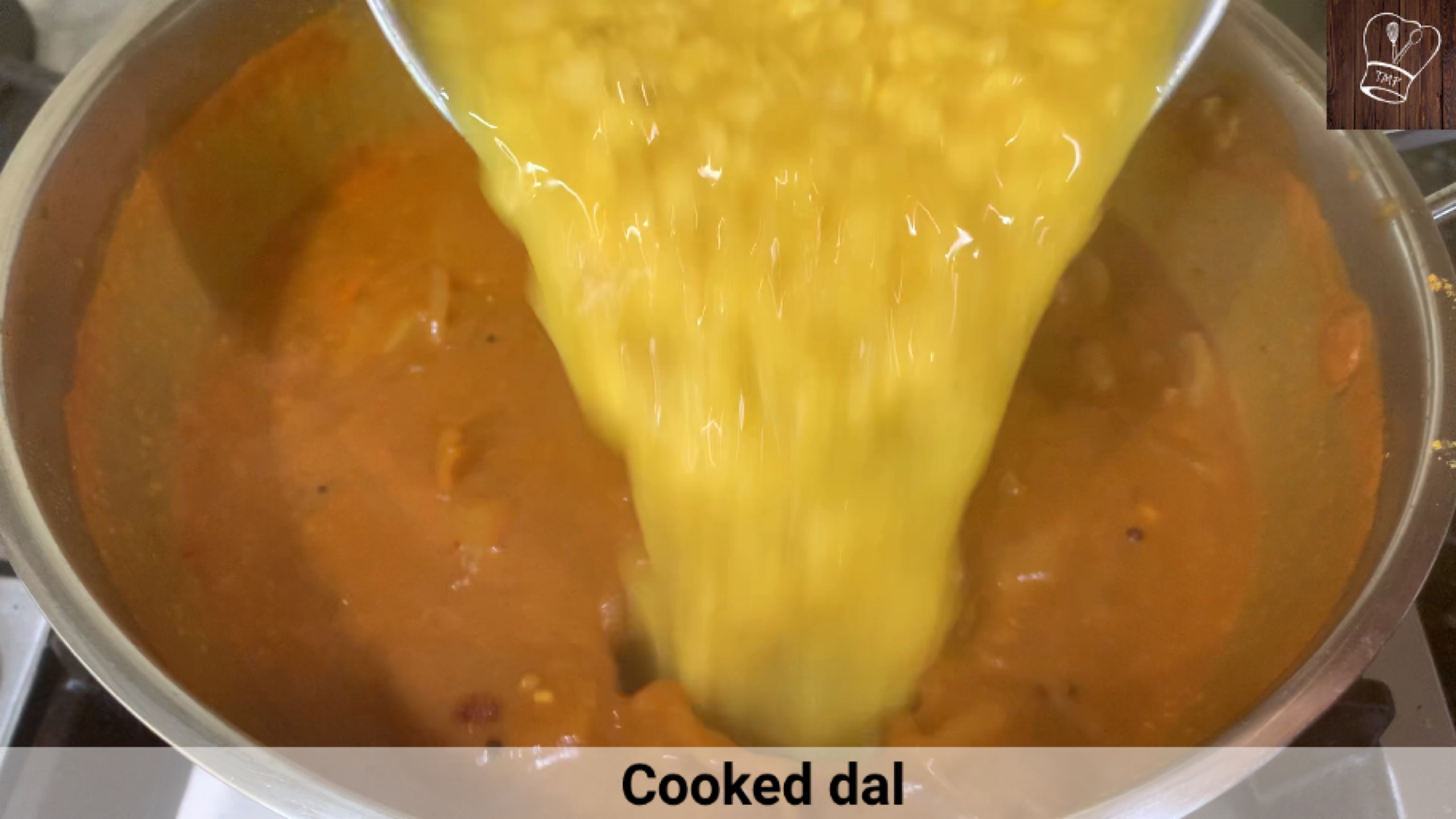
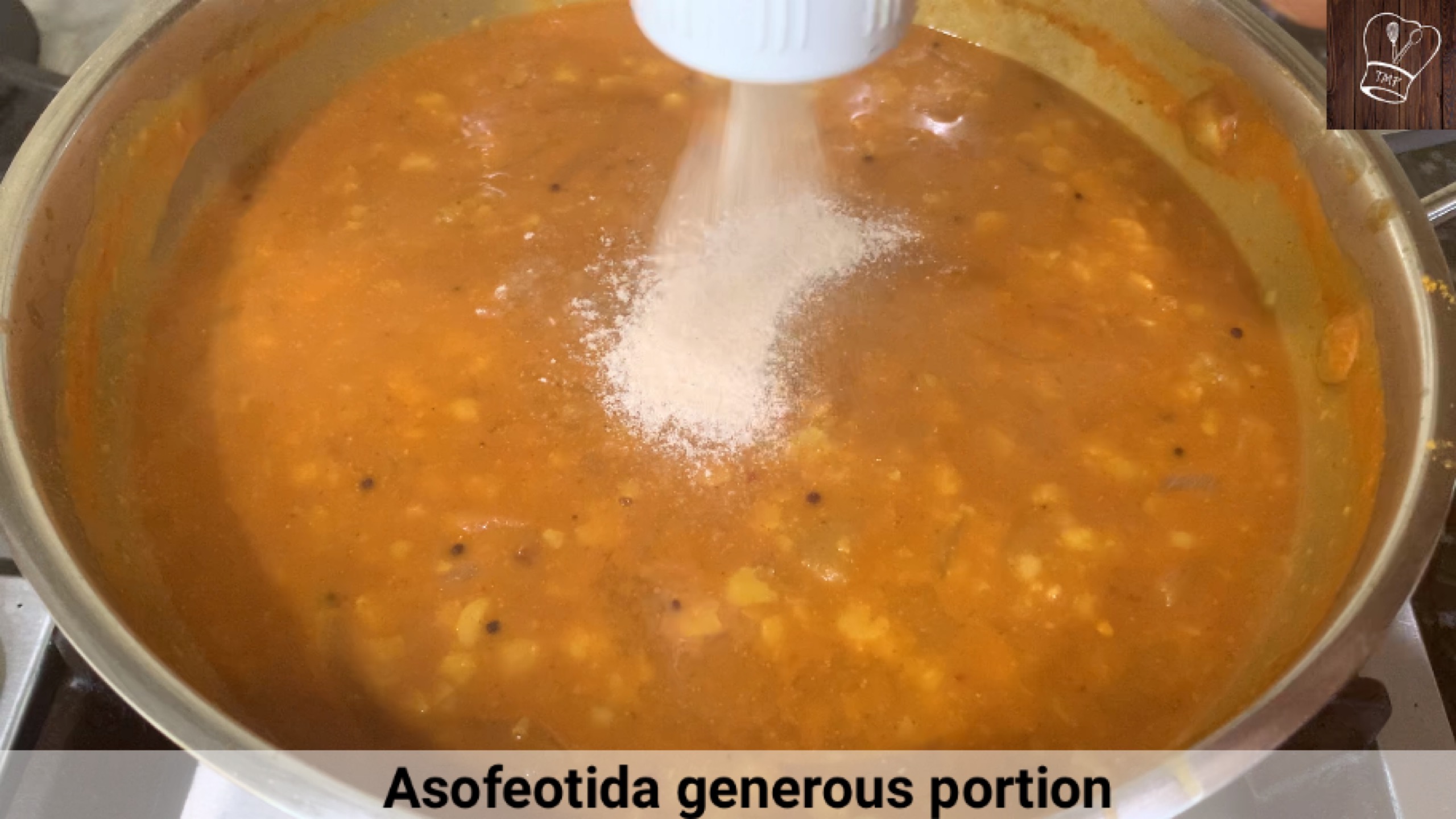
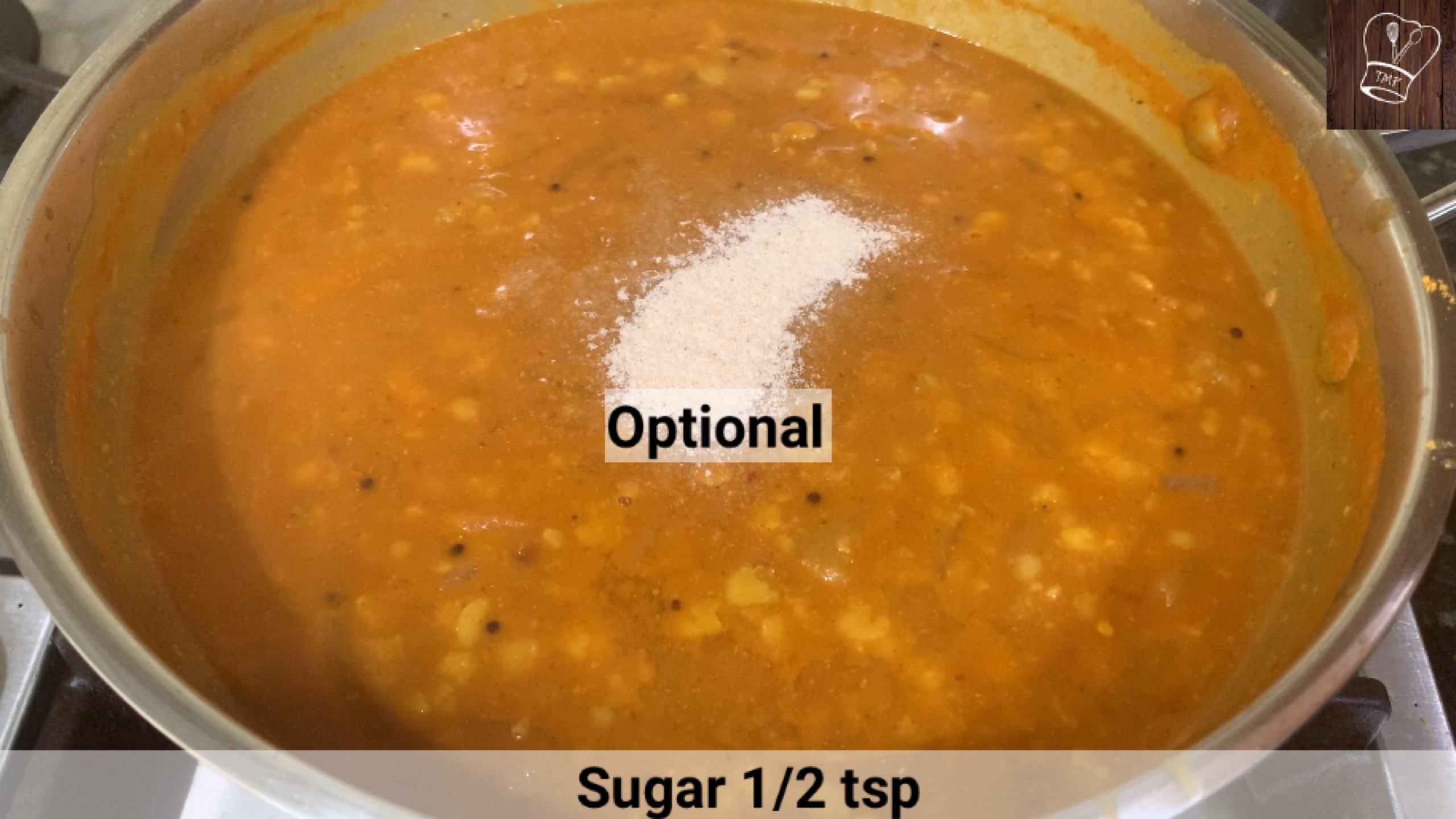
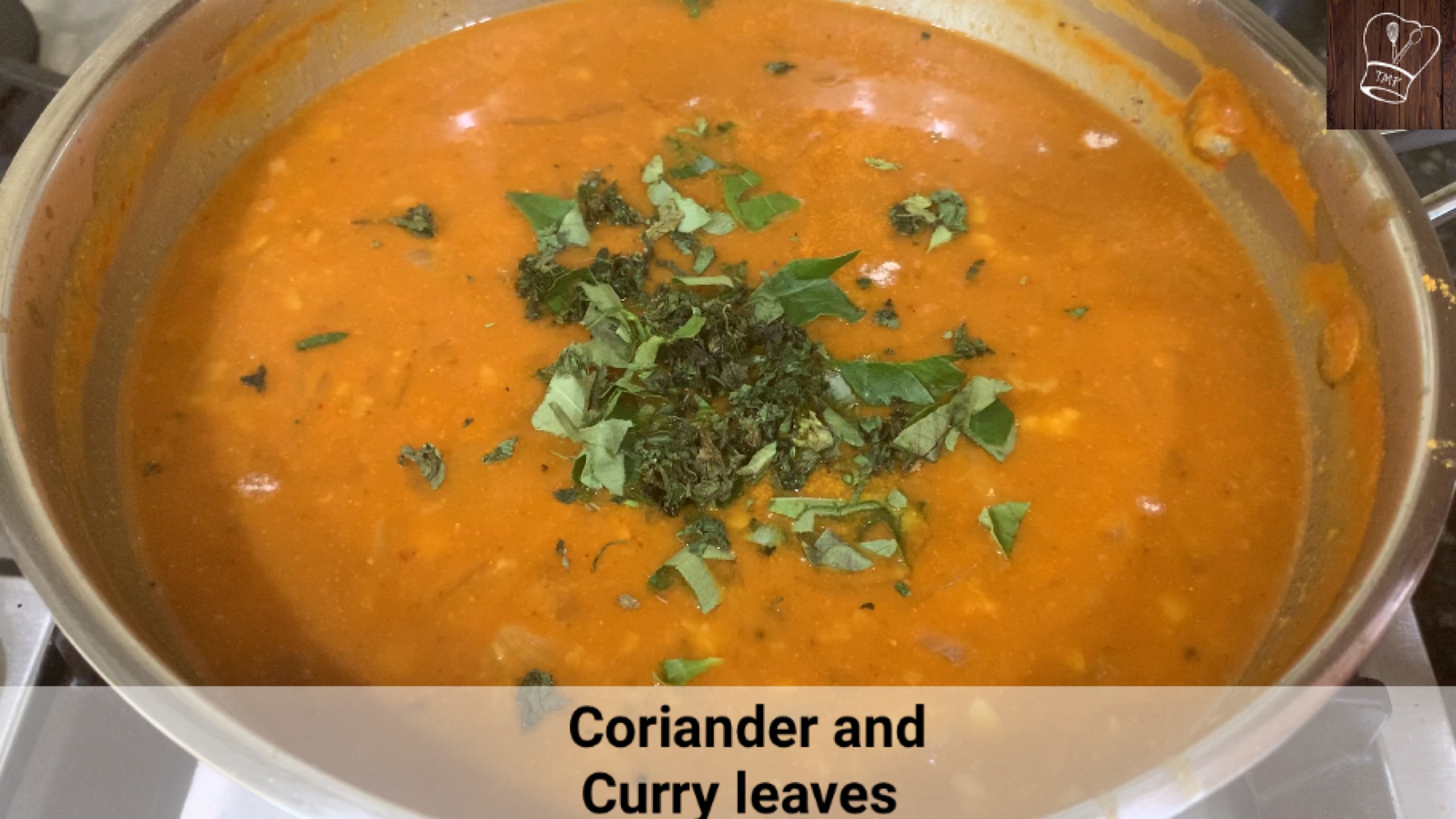
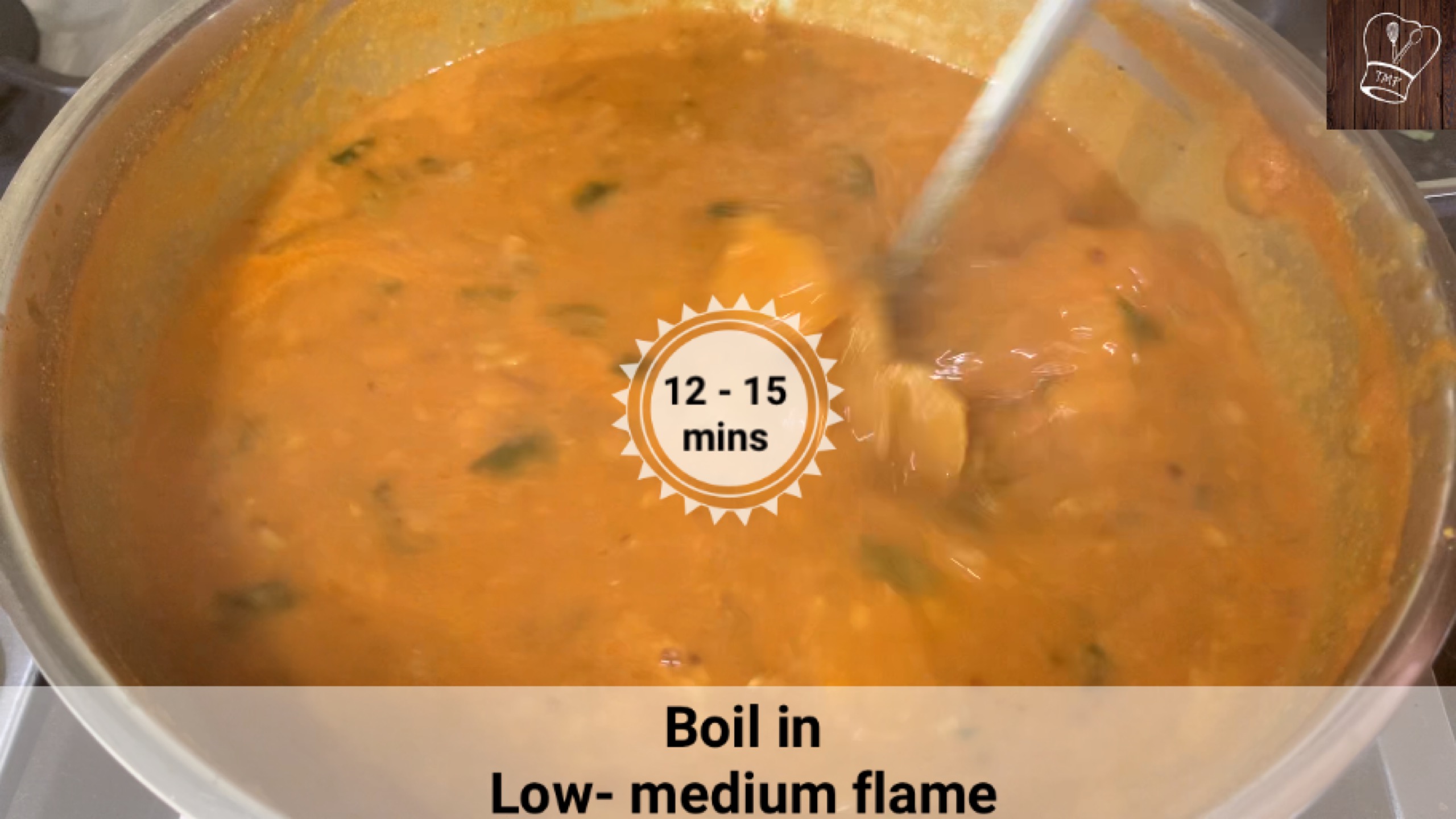
- Add cooked dal, coriander leaves, curry leaves, hing, sugar and boil Kuzhambu for 12-15 minutes
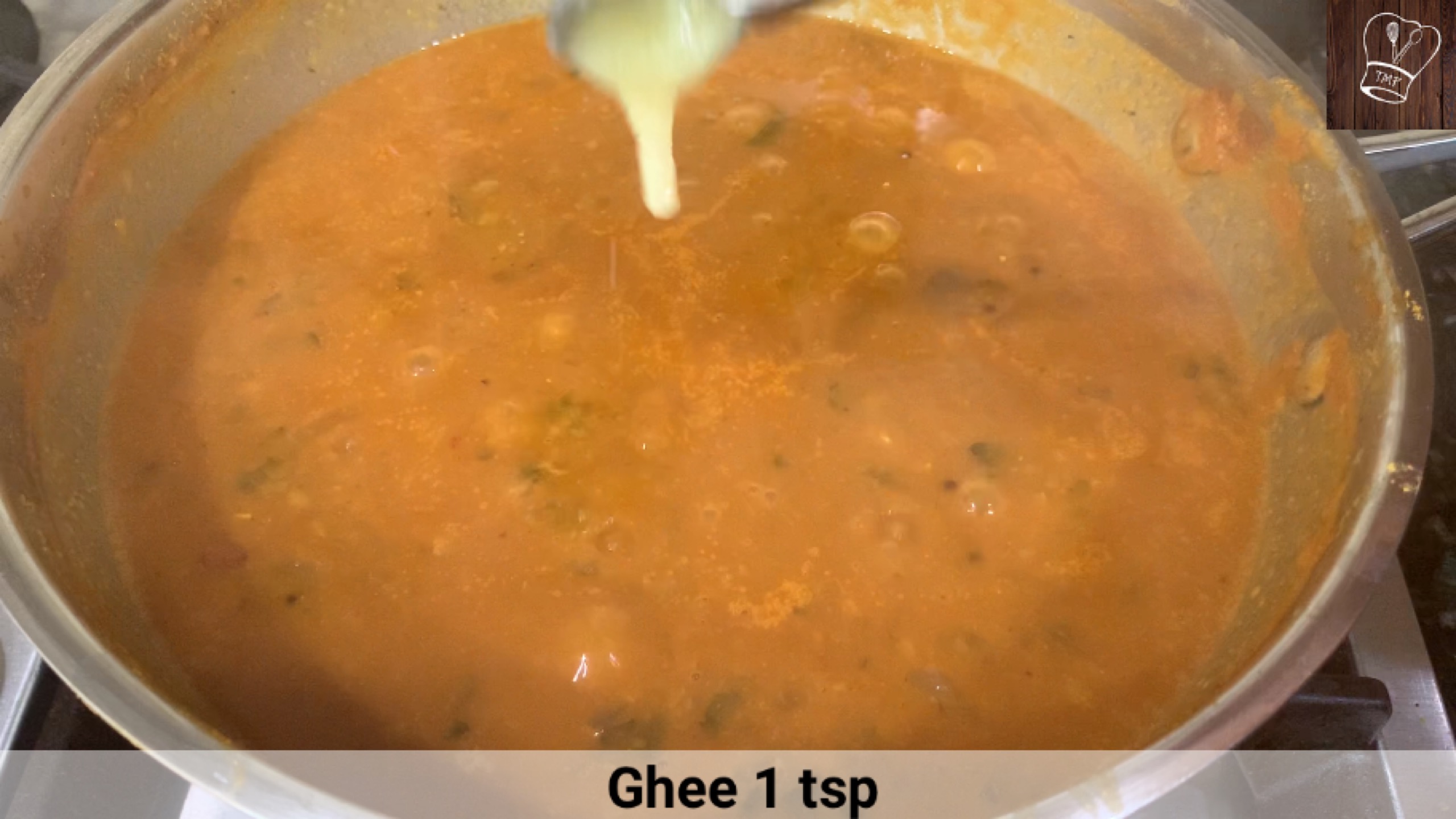
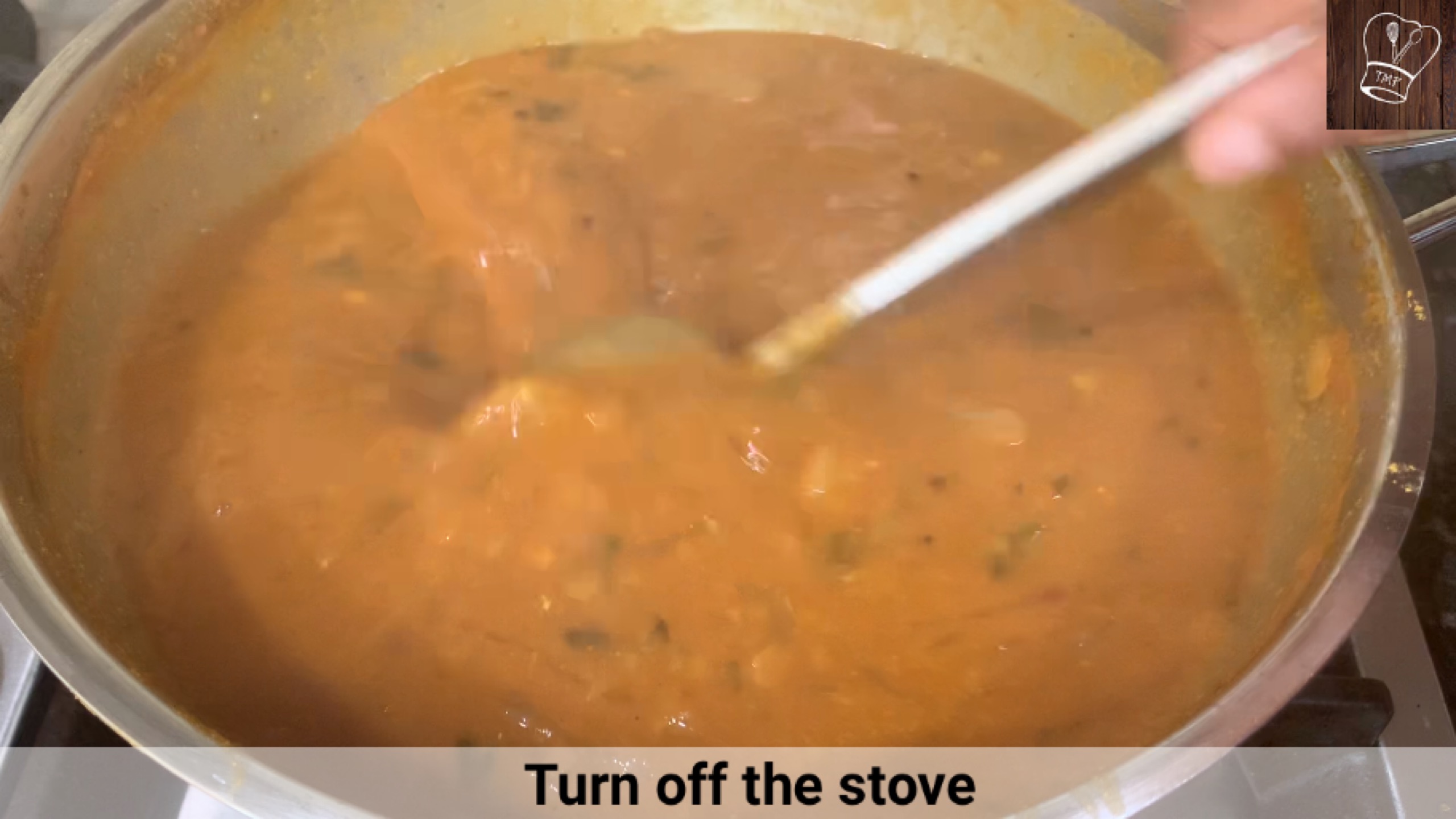
- Finally, add ghee and turn off the stove
Video
Notes
- I usually add toor dal for Sambhar. You can also combine toor dal + masoor dal
- Soaking dal is optional but helps for mushy cooked dal
- Adding turmeric powder and sesame oil while cooking dal is optional, but it helps for better cooking
- I have used 1:3 dal: water ratio. Adjust the water according to the dal you use
- Alter the number of whistles according to the dal you use
- let cooker pressure come down naturally
- I have used coconut oil, but you can use any oil of your choice
- If you don’t have tamarind paste soak small lemon size tamarind and prepare tamarind extract, use it
- I have used big onions instead, you use pearl onions or skip onions
- Saute the dal and seeds till they turn aromatic and turns brown. If it is not roasted well, kuzhambu will turn bitter
- Always add dal only after tamarind the raw smell goes off and veggies are cooked
- Use extra spice if you are using potatoes
- I have used radish, but you can make aruchuvitta sambar with any available vegetable
- I have used homemade tamarind paste. Adjust the quantity if you are going to use store-bought tamarind paste
- Cook veggies till they are fork-tender avoid cooking them mushy
- Adjust water according to your desired consistency
- Adjust the spice according to your desired taste
- Sugar/Jaggery is optional, but it enhances sambar taste
- I used coconut oil for tempering and added a dollop of ghee towards the end instead, you can do the tempering with ghee
Ingredients:
To cook dal:
1/2 cup toor dal
1 + 1/2 cup water
Pinch of turmeric powder
To cook Radish:
1 Radish
Salt
1 tbsp Water
To roast and grind:
1 tbsp channa dal
1 tbsp coriander seeds
5 red chilli
1/8 tsp fenugreek seeds
1/4 cup onion
1/4 cup coconut
To prepare Arachuvitta sambar
1 tbsp coconut oil
1/2 tsp mustard seeds
1/8 tsp fenugreek seeds
1 onion
2 tbsp tamarind paste
1/2 tbsp + 1 tsp sambar powder
Asofeotida generous pinch
Salt as needed
1/2 tsp Sugar/jaggery
Coriander leaves
curry leaves few
1 tsp ghee
How to prepare Arachuvitta sambar with step-by-step pictures
- Wash and soak toor dal in hot water for at least one hour
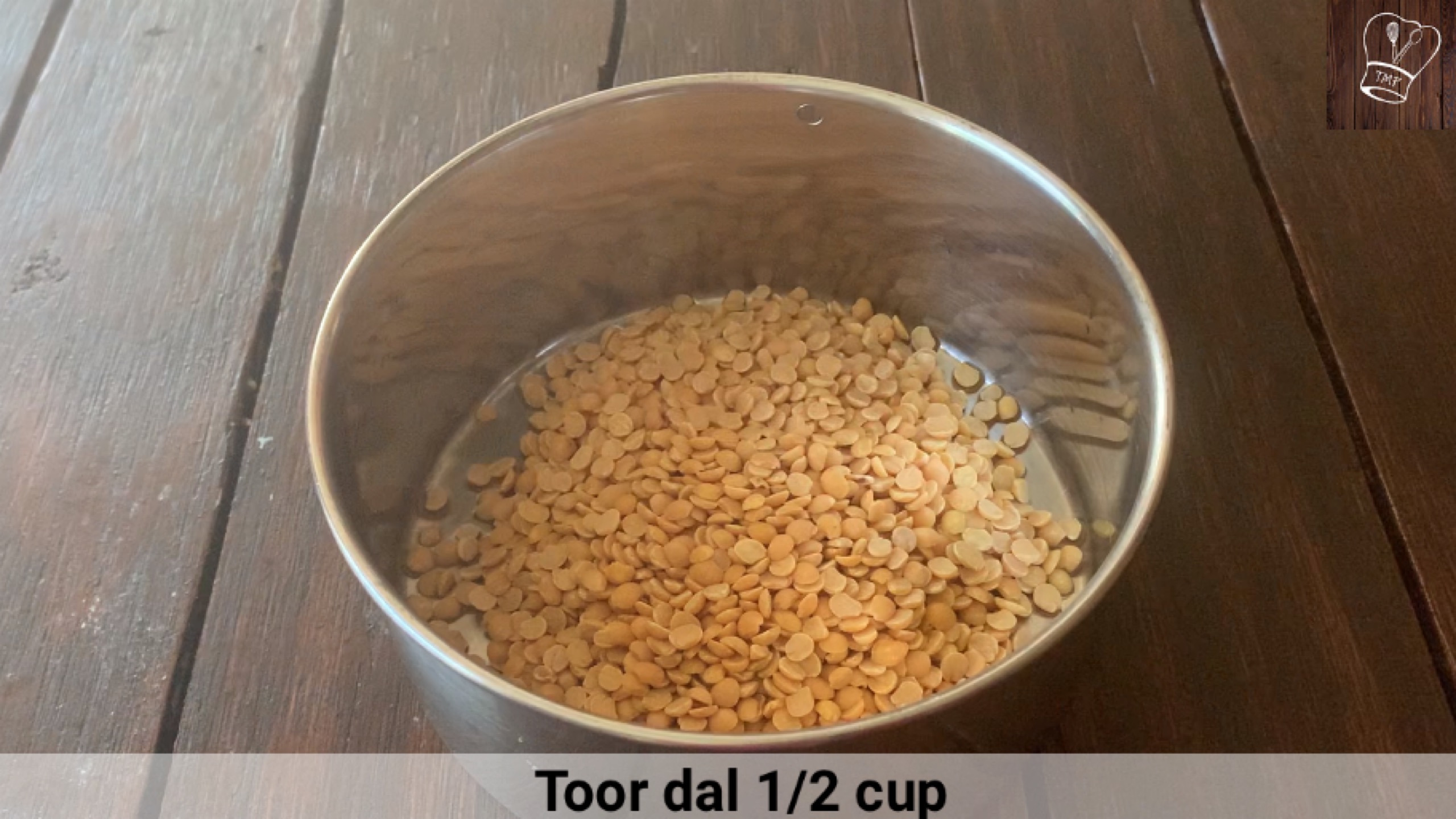

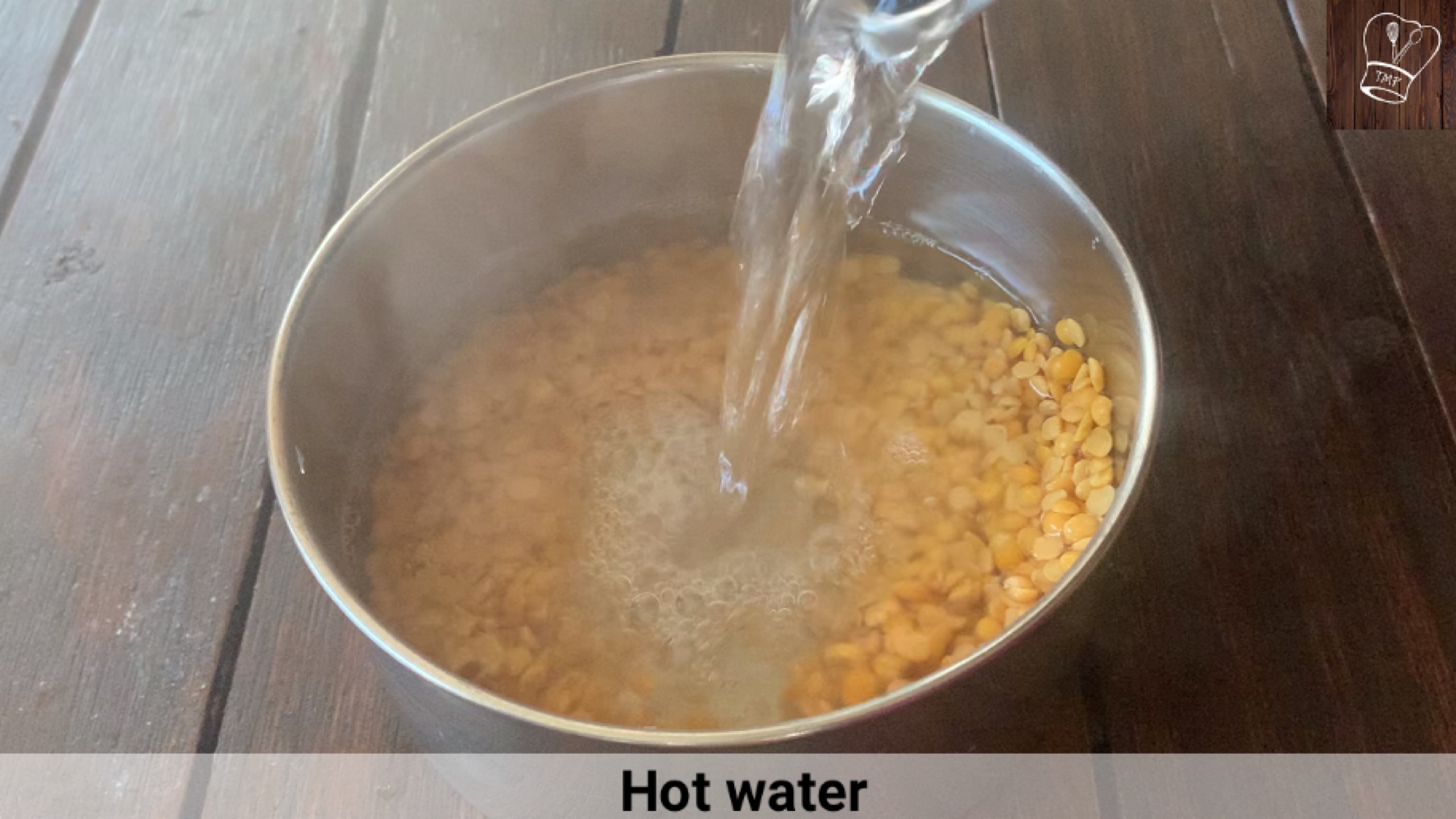
- Drain the water and add the required water and a pinch of turmeric powder; cover the separator with a lid
- In another separator, add chopped radish, required salt, and 1 tbsp of water, cover with a lid, and pressure cook the separator for 3 whistles; let the pressure settle naturally


- In a pan, add coriander seeds, channa dal, red chilli, fenugreek seeds, coconut oil, and saute until they turn aromatic and change color

- Add onion and saute for 2 minutes till they change color
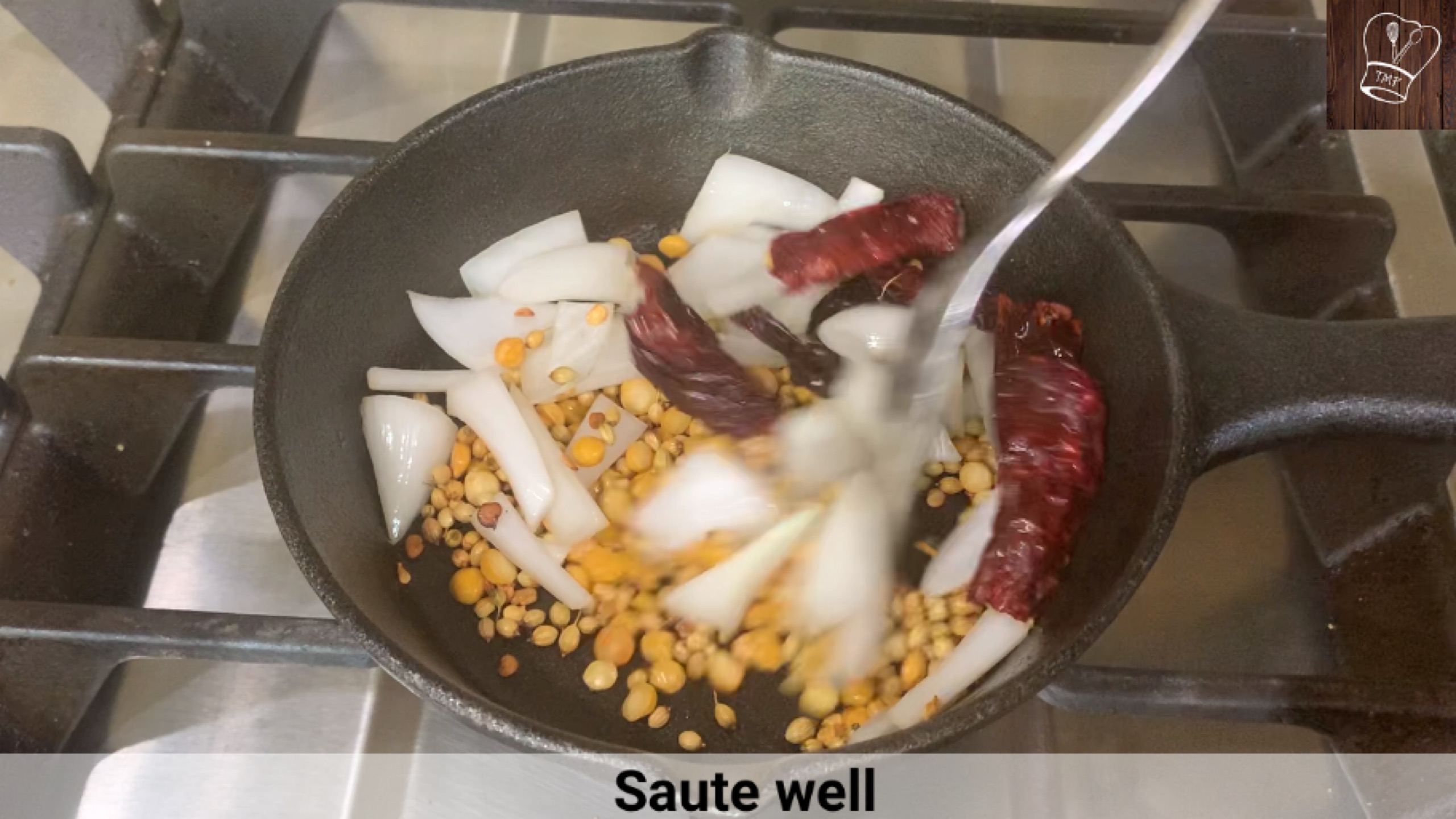

- Finally, add coconut and turn off the stove
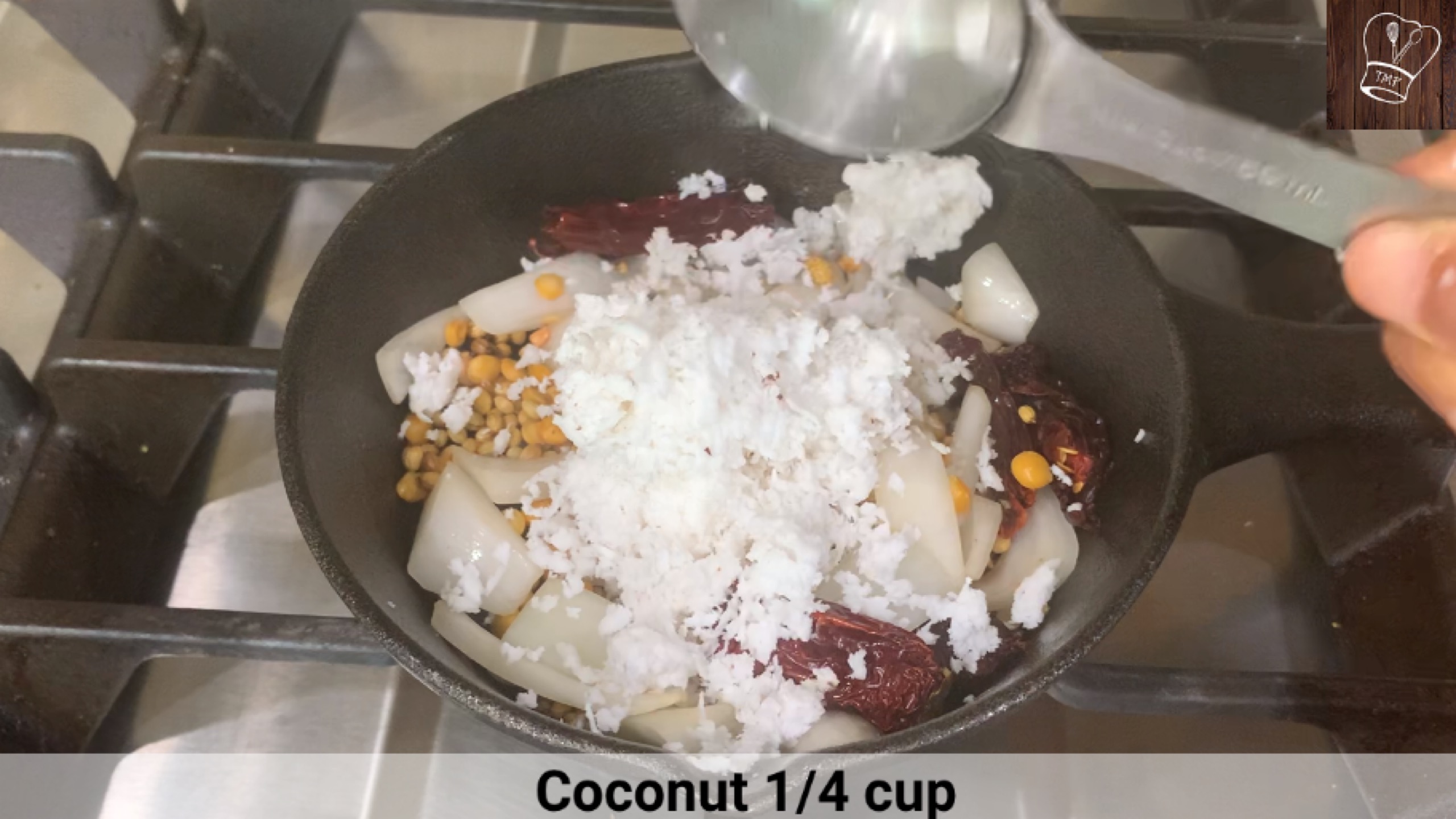
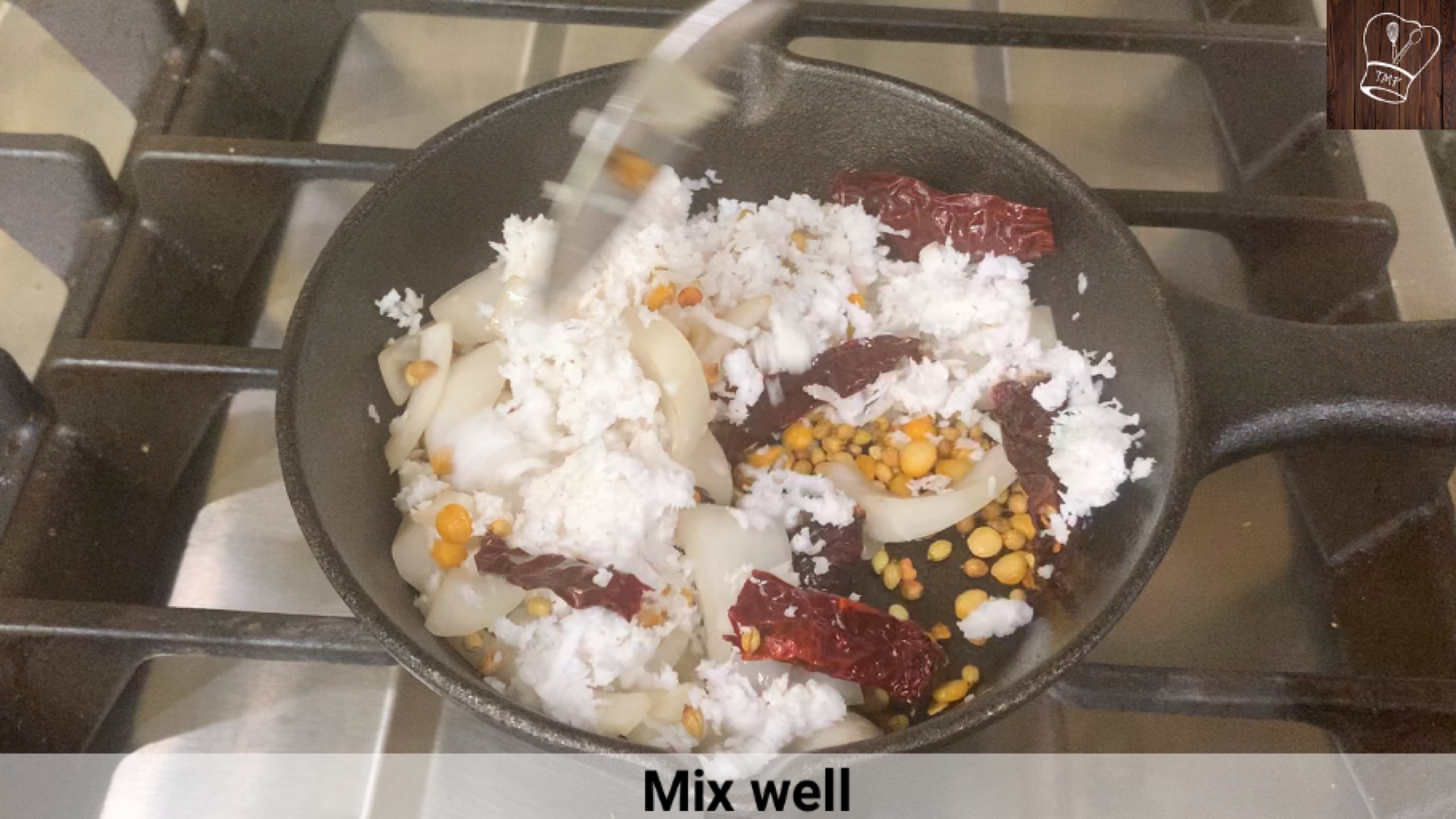
- Mix everything well and transfer it to a plate and cool
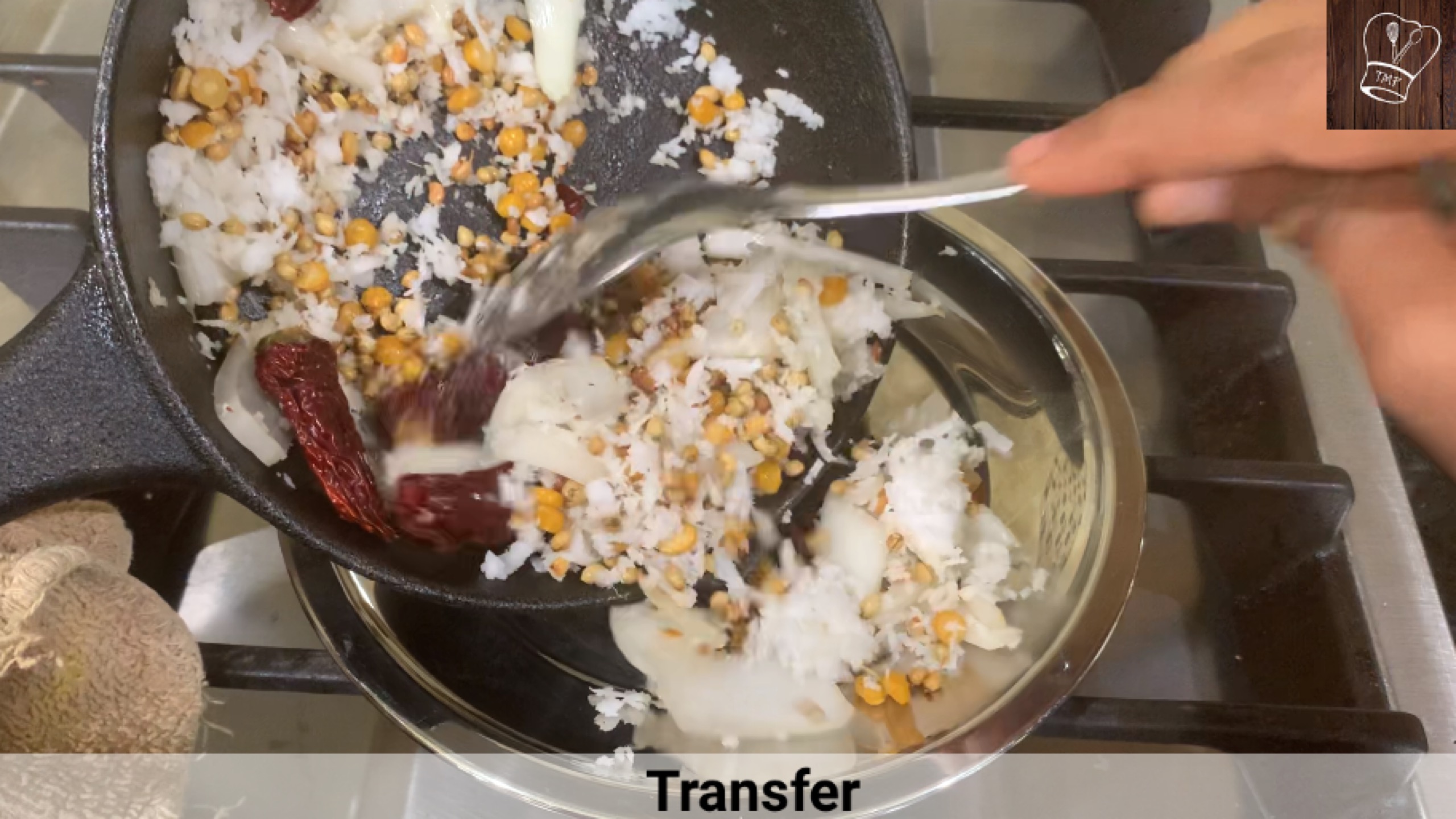
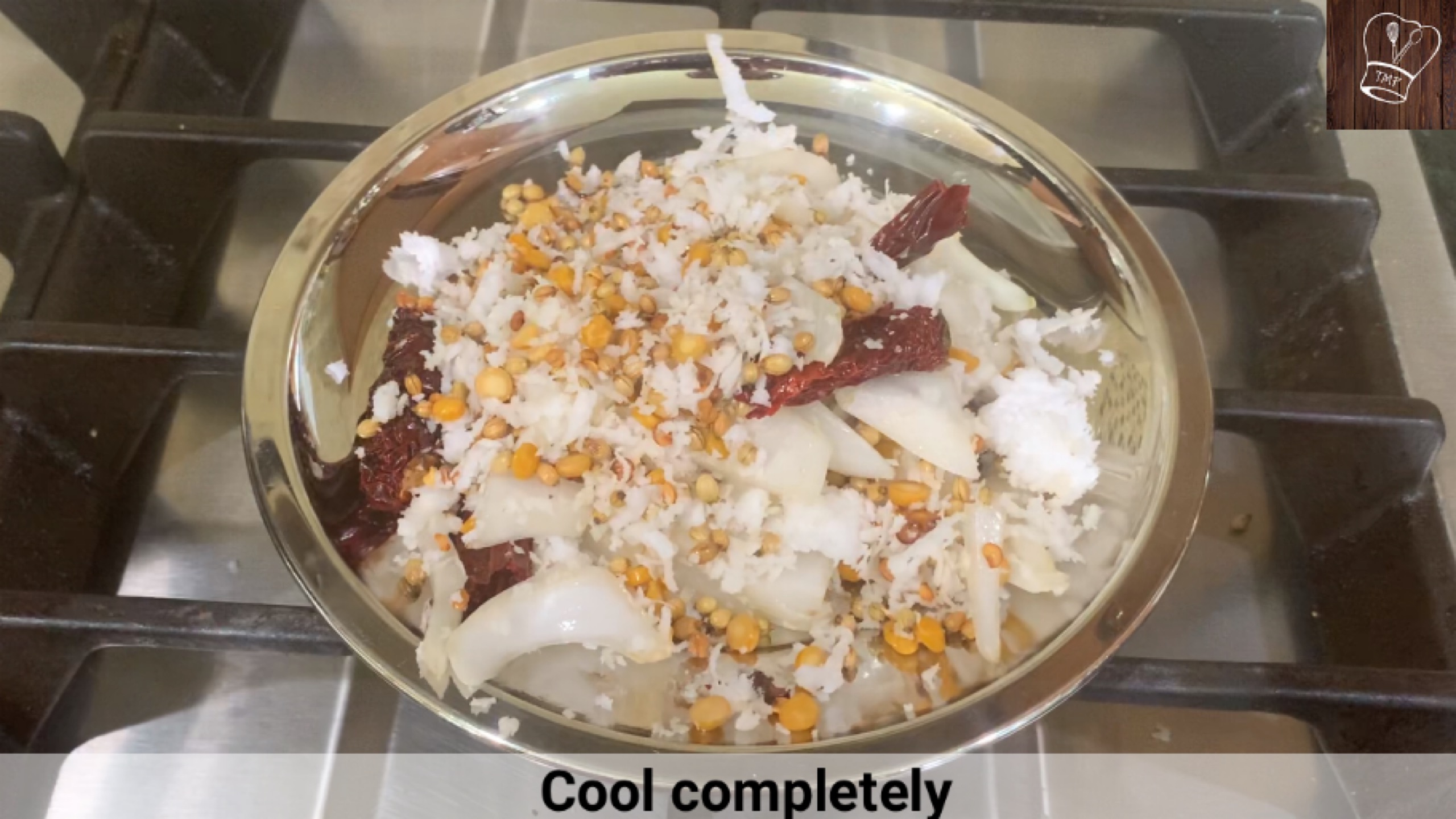
- After everything is cool, add a little water and grind

- In a wide pan, add oil, and once the oil is hot, add mustard seeds and fenugreek seeds; let them splutter
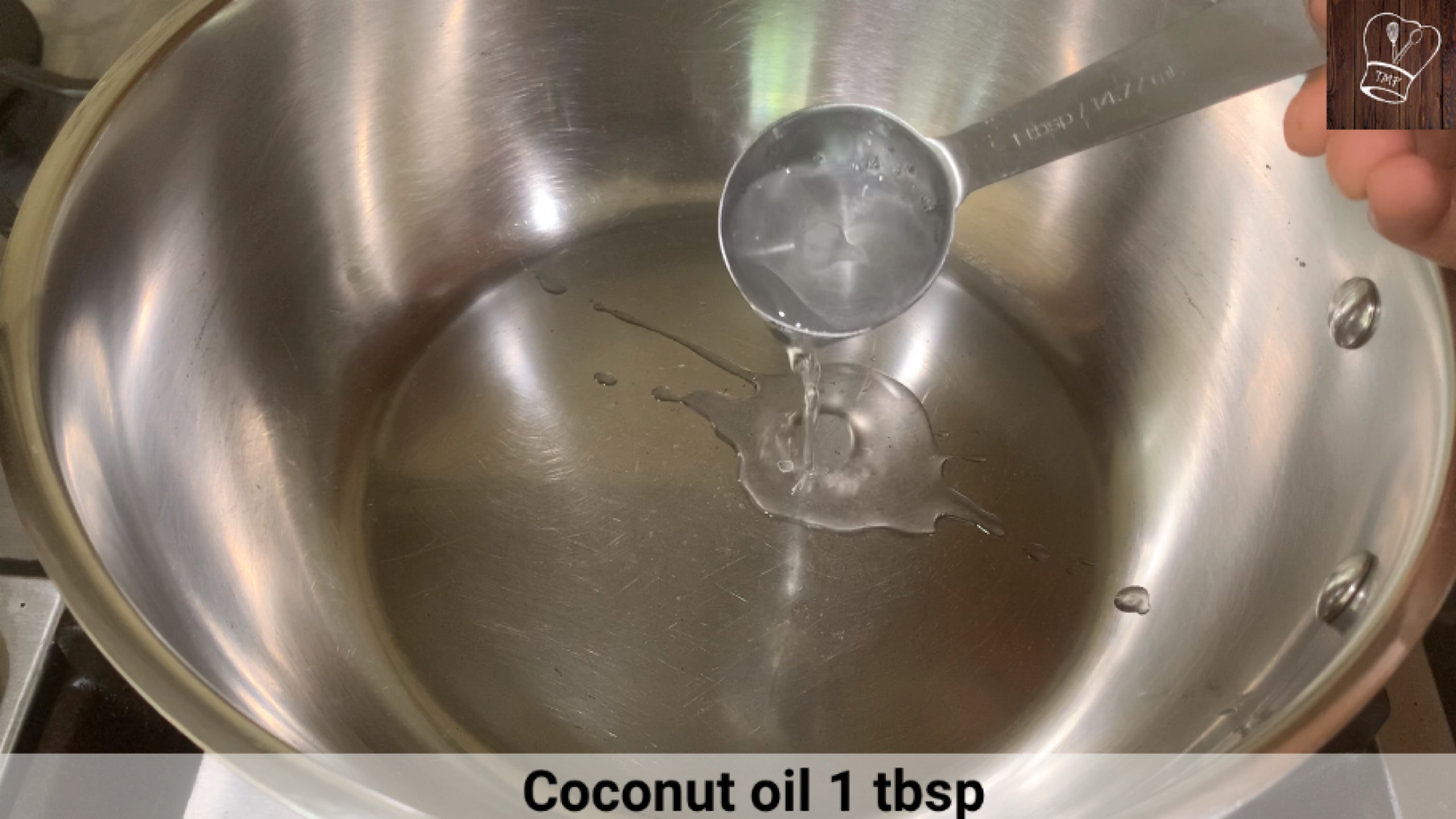
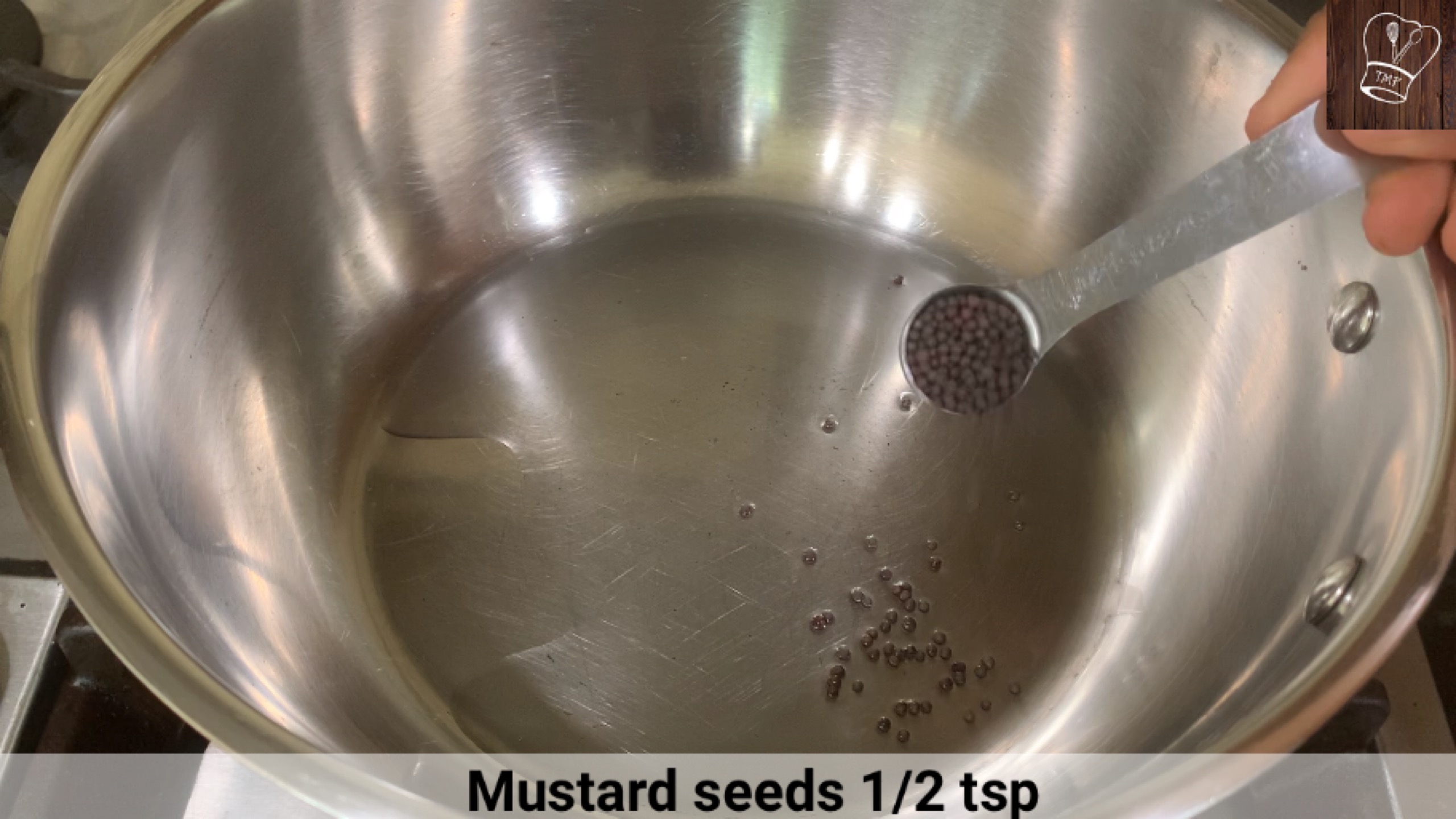

- Add onion and saute till onions turn translucent
- Add water, sambar powder, tamarind paste, and turmeric powder and mix well
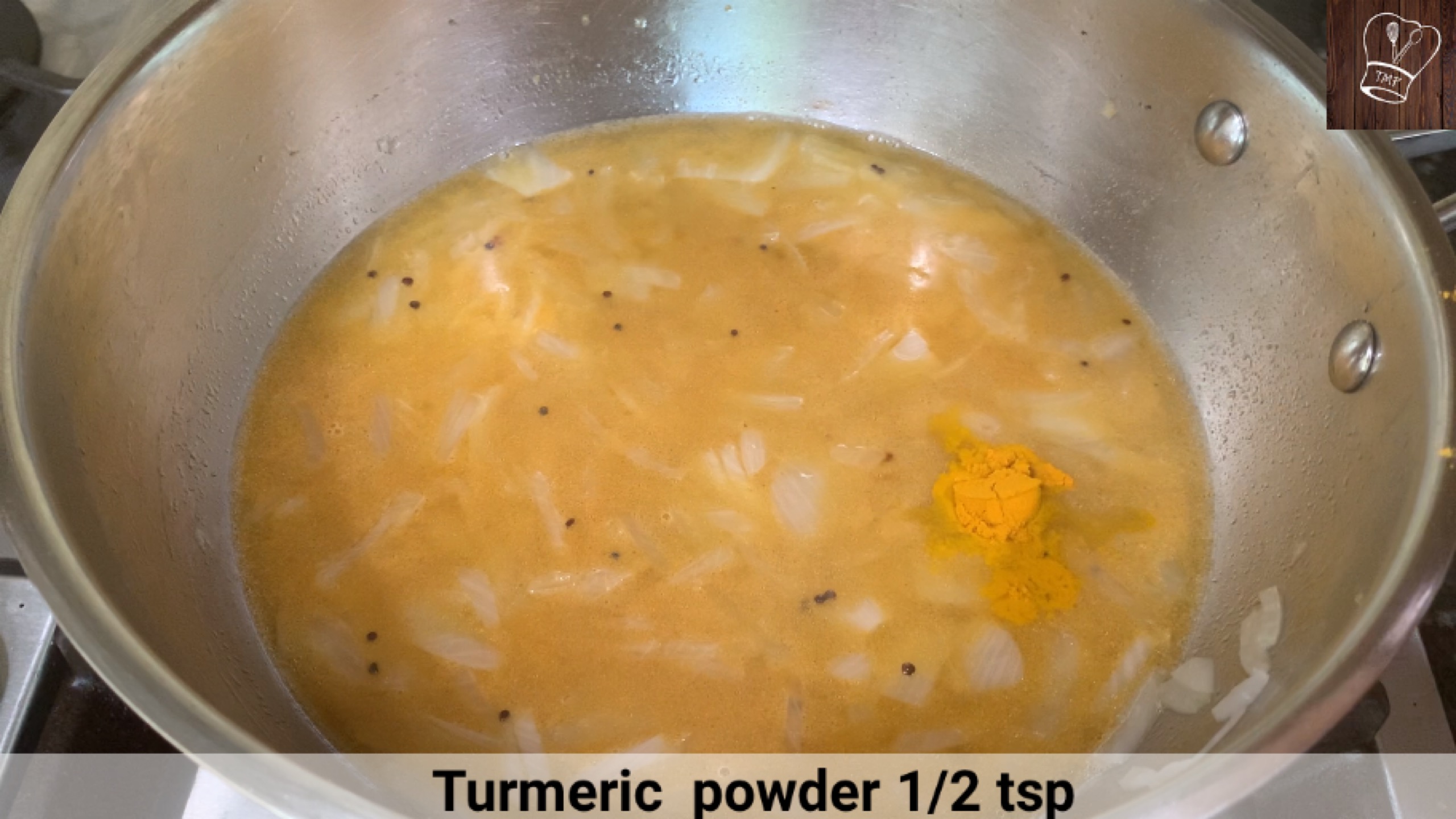


- Furthermore, add radish and boil for 10 minutes
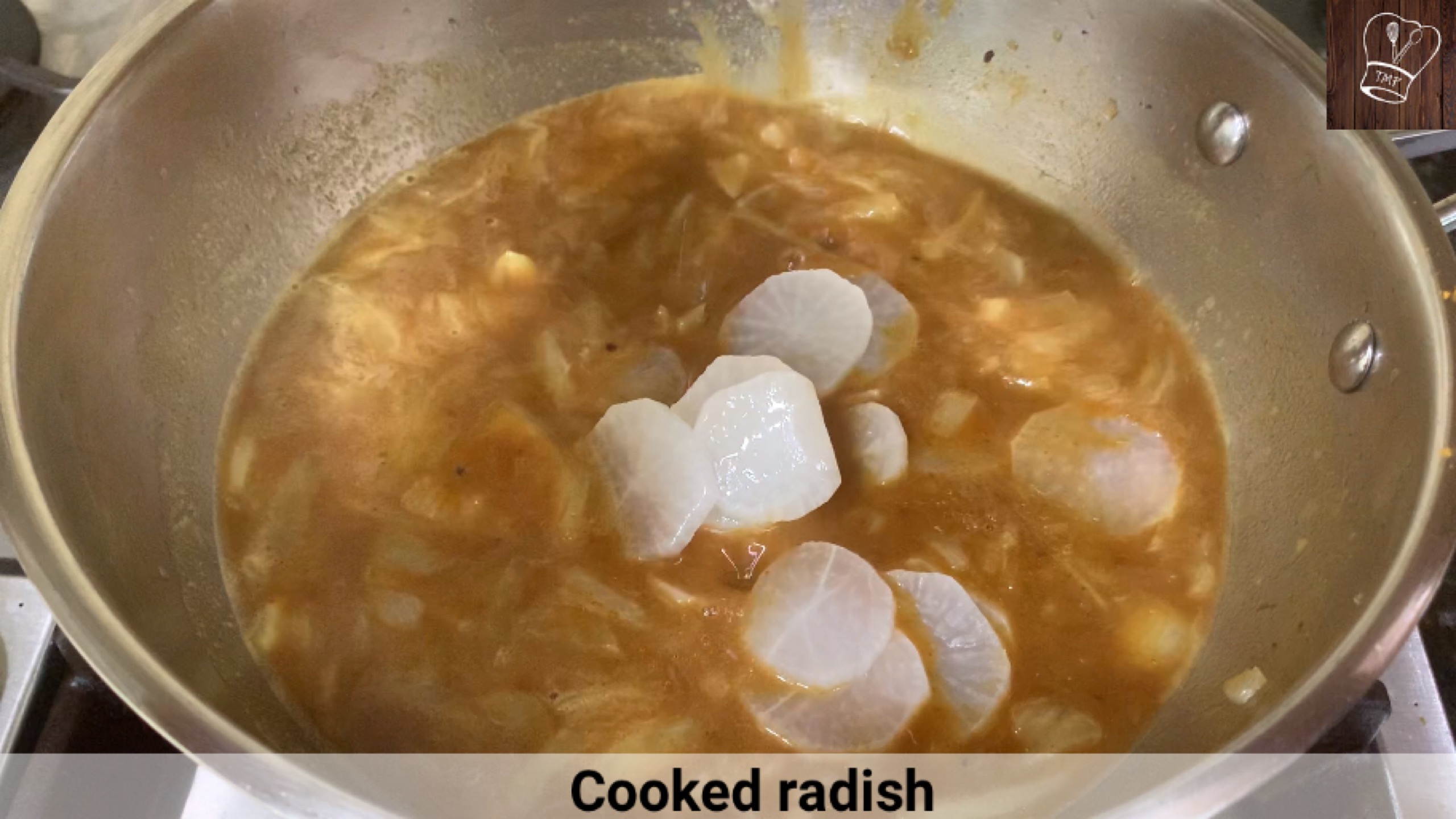


- Add the ground mixture, mixie water, and mix well
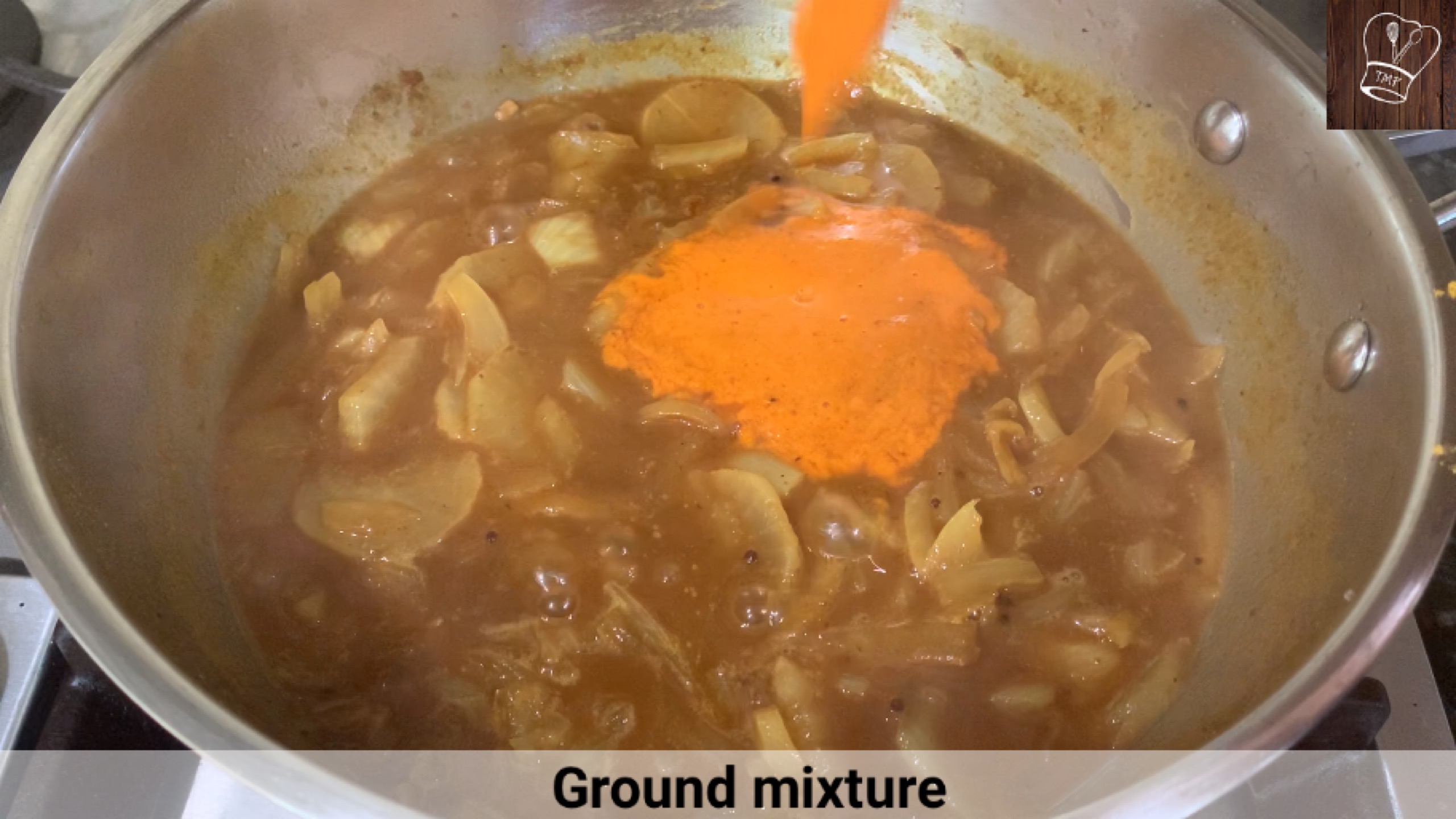
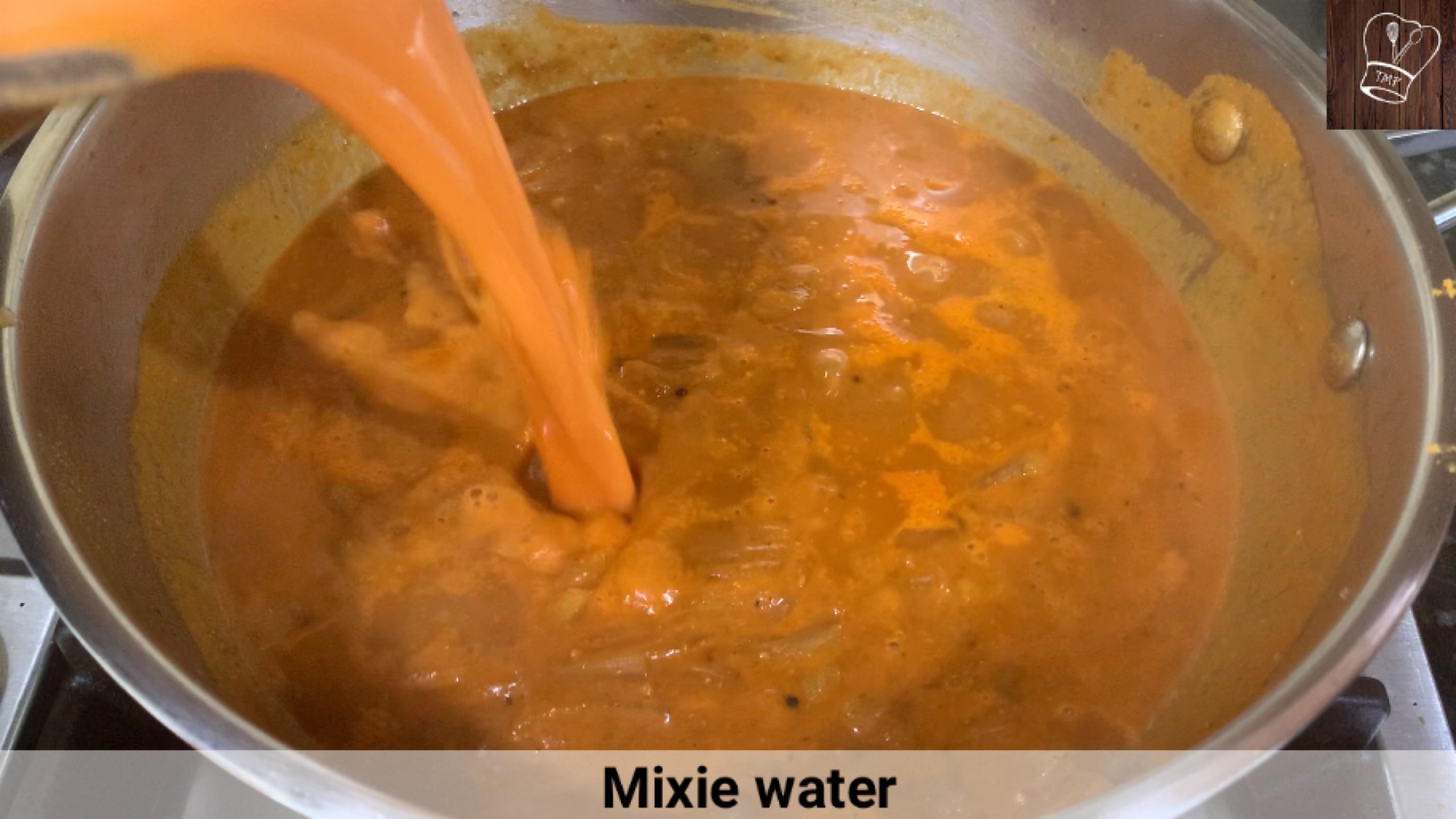
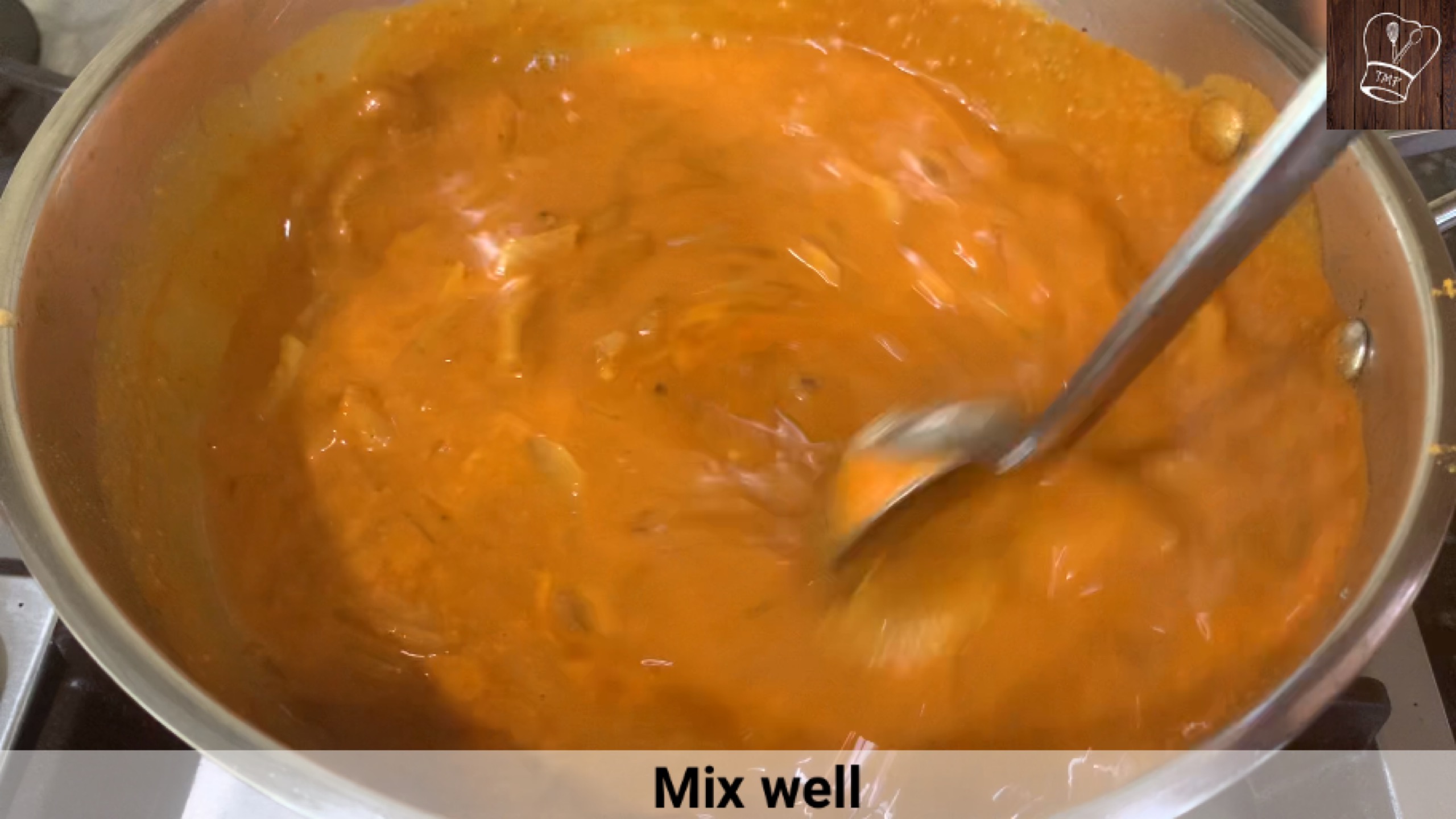
- Furthermore, add salt and boil for 10 minutes; mix well in between


- Add cooked dal, coriander leaves, curry leaves, hing, sugar, and boil Kuzhambu for 12-15 minutes
- Finally, add ghee and turn off the stove
Thanks For Sharing this Amazing Recipe. My Family Loved It. I will be sharing this Recipe with my Friends. Hope They will like it.